HomeMCPWorkbenchSkills
HomeWorkbenchNotificationsMe
llms.txt · MCP GuidePrivacy Policy · Terms of Service · Supportv1.8.3
  1. Home
  2. /Reaction

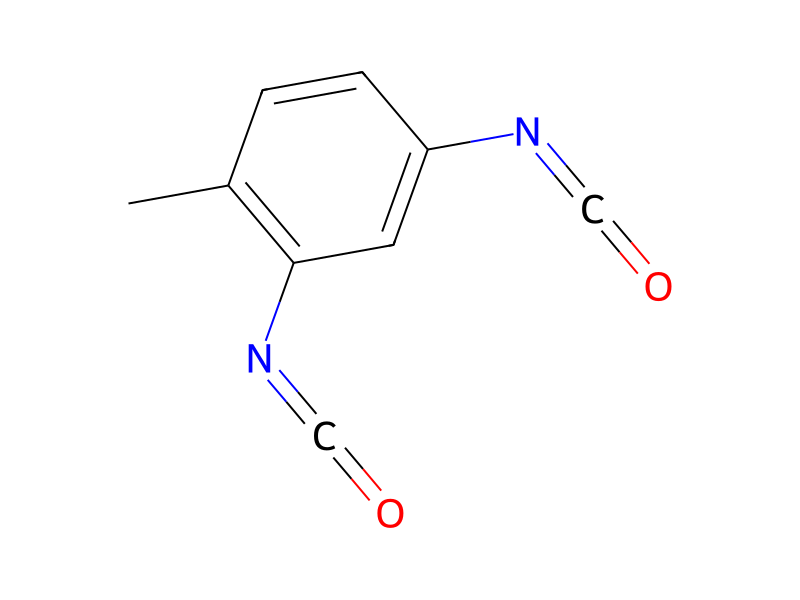
Toluene 2,4-Diisocyanate → Urethane acrylate

HRID 569714
Print

Reaction equation

HRID 569714 reaction equation
[C:1]([OH:5])(=[O:4])[CH:2]=[CH2:3].C(O)(=O)C=C.C([C:13]([CH2:18][OH:19])(CO)CC)O.CC1C(N=C=O)=CC([N:27]=[C:28]=[O:29])=CC=1>COC1C=CC(O)=CC=1.C([O-])(=O)C.C([O-])(=O)C.C([Sn+2]CCCC)CCC>[C:1]([OH:5])(=[O:4])[CH:2]=[CH2:3].[NH2:27][C:28]([O:19][CH2:18][CH3:13])=[O:29]
ParticipantsProcedureWorkupSources & evidenceReaction notes

Participants

5

Reactant 2

HCID 11443Toluene 2,4-DiisocyanateHCID 867352212-Ethyl-2-(hydroxymethyl)propane-1,3-diol;bis(prop-2-enoic acid)

Product 1

HCID 21863578Urethane acrylateYield 413.2%

Reagents, catalysts & solvents 2

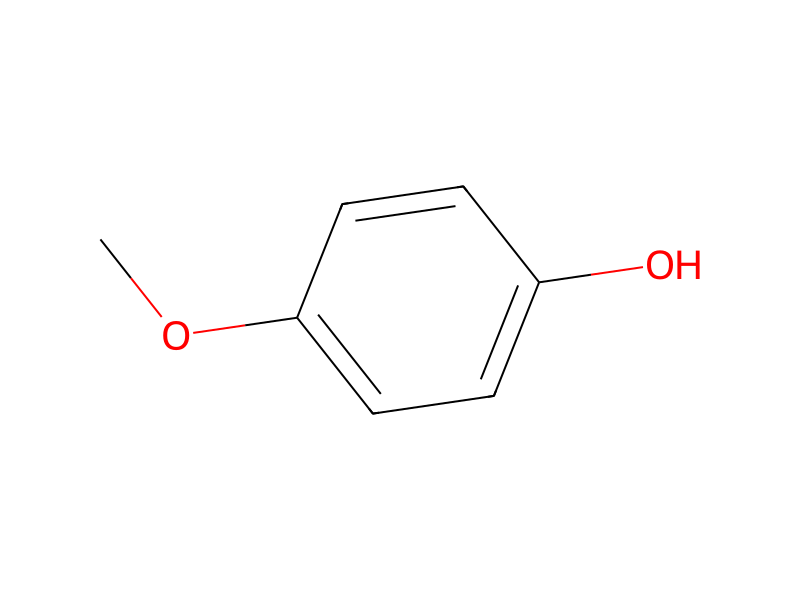
HCID 90154-MethoxyphenolCatalystHCID 9798523Di-n-butyl diacetoxy tinCatalyst

Procedure

In a 1 l glass reactor equipped with a stirrer, a thermometer and a dropping funnel were charged 242 g of trimethylolpropane diacrylate and 0.25 g of hydroquinone monomethyl ether, followed by adding dropwise 85 g of 2,4-tolylene diisocyanate over a period of 1 hour with keeping the temperature at 60° C. The content was stirred for 1 hour at this temperature, followed by adding 0.05 g of dibutyltin diacetate and then reaction was continued for further 2 hours. After completion of the reaction, there was obtained 325 g of polyfunctional urethane acrylate, which contained 0.03 % of isocyanate.

Workup

  1. customIn a 1 l glass reactor equipped with a stirrer
  2. customat 60° C
  3. customreaction
  4. waitwas continued for further 2 hours
  5. customAfter completion of the reaction

Sources & evidence

ORD record
ord-c096cacf62314498a6354e52c37248da
Source dataset
uspto-grants-1988_03
DOI
10.6084/m9.figshare.5104873.v1
Patent number
US04734319

Reaction notes

On this pageParticipantsProcedureWorkupSources & evidenceReaction notes