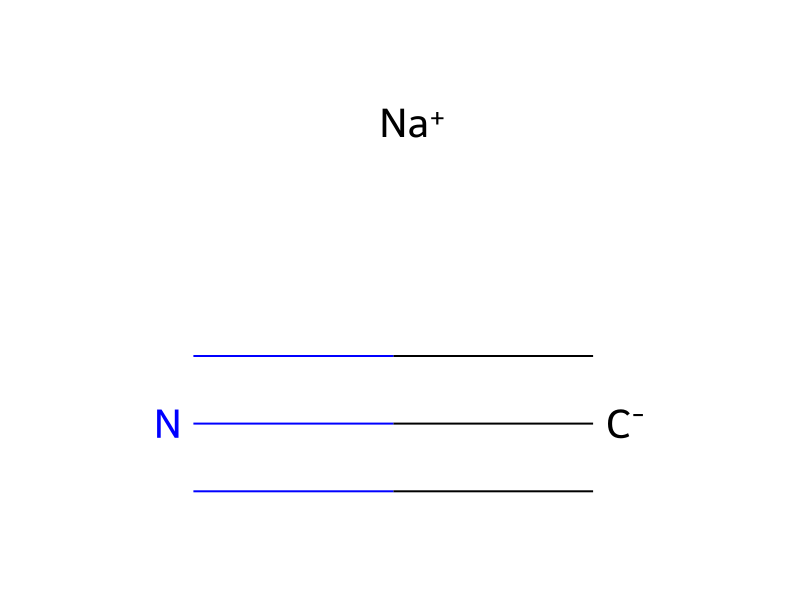
[CH3:1][O:2][C:3](=[O:20])[C:4]1[CH:13]=[C:12]([O:14][CH:15]([CH3:17])[CH3:16])[CH:11]=[C:6]([C:7]([O:9][CH3:10])=[O:8])[C:5]=1[CH2:18]Br.[C-:21]#[N:22].[Na+]>CS(C)=O.O>[C:21]([CH2:18][C:5]1[C:4]([C:3]([O:2][CH3:1])=[O:20])=[CH:13][C:12]([O:14][CH:15]([CH3:17])[CH3:16])=[CH:11][C:6]=1[C:7]([O:9][CH3:10])=[O:8])#[N:22]To a solution of 2-bromomethyl-5-isopropoxy-isophthalic acid dimethyl ester (Cpd C, 17.4 g, 50.5 mmol) in DMSO (200 mL) was added NaCN (3.71 g, 75.7 mmol) in H2O (20 mL). The resulting reaction mixture was stirred at room temperature for 1 hour. The reaction mixture was poured into water (500 mL), and extracted with ethyl acetate (2×300 mL). The combined organic phases were washed with brine (1×300 mL), dried over sodium sulfate, concentrated under vacuum, and purified by column chromatography (0-40%, EtOAc/heptanes) to give Dimethyl 2-(cyanomethyl)-5-(propan-2-yloxy)benzene-1,3-dicarboxylate (Cpd D, 12.8 g, 87% yield) as a clear oil which solidified upon standing.