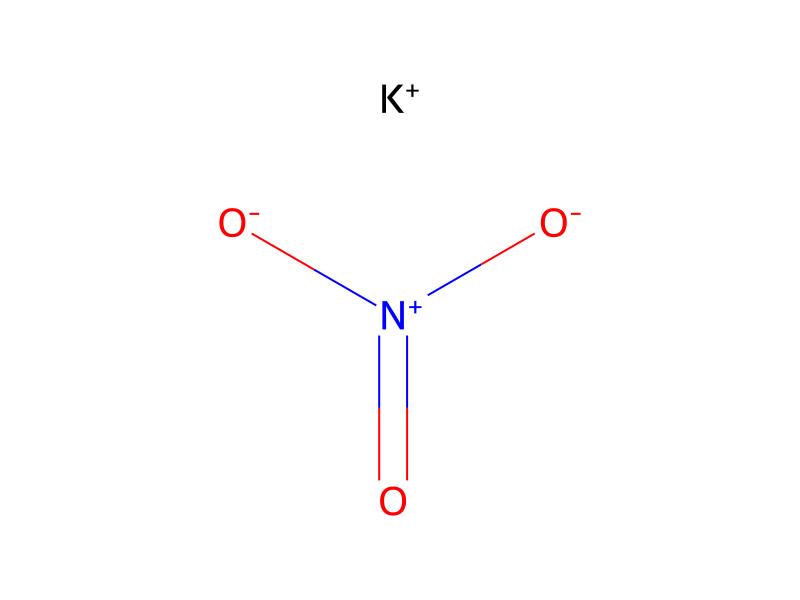
In a 5 liter three neck round bottom flask, 173 9 (0.813 mol) of 7-bromo-1,2,3,4-tetrahydroisoquinoline was dissolved carefully into 950 ml of concentrated sulfuric acid. The resulting solution was cooled to -5° C. and a solution of 82.7 g (0.816 mol) of potassium nitrate in 1 liter of concentrated sulfuric acid was added dropwise. After addition, the reaction was maintained at -5° C. for 15 minutes and poured onto 3 liters of ice. The resulting mixture was basffied to pH 14 with 50% sodium hydroxide solution. The basic solution was extracted three times with 1 liter of dichloromethane. The combined organic layers were washed with 1 liter each of water and saturated sodium chloride solution. The organic layer was dried over anhydrous sodium sulfate, filtered and concentrated to yield 201 g of an oil. The oil preadsorbed onto silica gel was charged onto a column of 4 kg of silica gel and eluted with a gradient of 1-5% methanol/dichloromethane. The fractions containing product were combined and concentrated to yield 115 g of a solid.