Reaction equation

C(P(C(C)(C)C)C1C(OC)=CC=C(OC)C=1C1C(C(C)C)=CC(C(C)C)=CC=1C(C)C)(C)(C)C.[O-]P([O-])([O-])=O.[K+].[K+].[K+].C(O)(CC)(C)C.FC(F)(S(O[C:65]1[CH:74]=[CH:73][C:72]2[C:67](=[CH:68][CH:69]=[C:70]([C:75]3[CH:80]=[C:79]([N:81]4[CH:86]=[CH:85][C:84](=[O:87])[NH:83][C:82]4=[O:88])[CH:78]=[C:77]([C:89]([CH3:92])([CH3:91])[CH3:90])[C:76]=3[O:93][CH3:94])[CH:71]=2)[CH:66]=1)(=O)=O)C(F)(F)C(F)(F)C(F)(F)F.[CH3:96][S:97]([NH2:100])(=[O:99])=[O:98]>C1C=CC(/C=C/C(/C=C/C2C=CC=CC=2)=O)=CC=1.C1C=CC(/C=C/C(/C=C/C2C=CC=CC=2)=O)=CC=1.C1C=CC(/C=C/C(/C=C/C2C=CC=CC=2)=O)=CC=1.[Pd].[Pd]>[C:89]([C:77]1[C:76]([O:93][CH3:94])=[C:75]([C:70]2[CH:71]=[C:72]3[C:67](=[CH:68][CH:69]=2)[CH:66]=[C:65]([NH:100][S:97]([CH3:96])(=[O:99])=[O:98])[CH:74]=[CH:73]3)[CH:80]=[C:79]([N:81]2[CH:86]=[CH:85][C:84](=[O:87])[NH:83][C:82]2=[O:88])[CH:78]=1)([CH3:91])([CH3:90])[CH3:92]Participants
Reactant 5
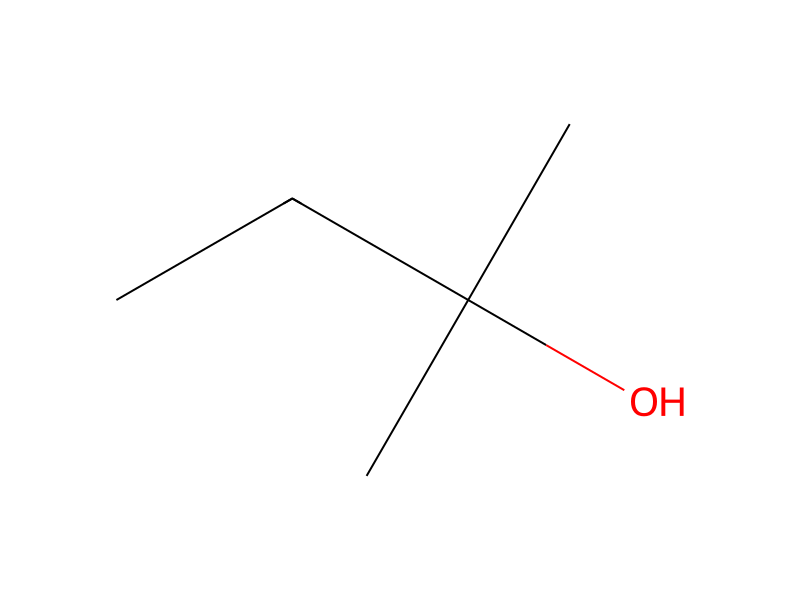 HCID 64052-Methyl-2-butanol2×
 HCID 62657Potassium Phosphate, Tribasic
 HCID 72879Methanesulfonamide
 HCID 44233348Di-tert-butyl(2',4',6'-triisopropyl-3,6-dimethoxy-(1,1'-biphenyl)-2-yl)phosphine
 HCID 566406691-Butanesulfonic acid, 1,1,2,2,3,3,4,4,4-nonafluoro-, 6-(5-(3,4-dihydro-2,4-dioxo-1(2H)-pyrimidinyl)-3-(1,1-dimethylethyl)-2-methoxyphenyl)-2-naphthalenyl ester
Product 1

Reagents, catalysts & solvents 1

Conditions
- Temperature
- 80 °C
Procedure
Tris(dibenzylideneacetone)dipalladium(0) (0.0066 g, 7.16 μmol), di-tert-butyl(2′,4′,6′-triisopropyl-3,6-dimethoxybiphenyl-2-yl)phosphine (0.0083 g, 17 μmol) and milled potassium phosphate tribasic (0.334 g, 1.58 mmol) were charged to a 40-mL reaction vial inside an inert atmosphere glove box. t-Amyl alcohol (4 mL) was added, the vial was capped, and the contents were heated to 80° C. and stirred at this temperature for 30 minutes. The reaction mixture was cooled down to the room temperature. 6-(3-tert-Butyl-5-(2,4-dioxo-3,4-dihydropyrimidin-1(2H)-yl)-2-methoxyphenyl)naphthalen-2-yl 1,1,2,2,3,3,4,4,4-nonafluorobutane-1-sulfonate (1.0 g, 1.43 mmol), methanesulfonamide (0.163 g, 1.72 mmol) and t-amyl alcohol (8 mL) were added to the 40-mL reaction vial, and the vial was capped. The reaction temperature was raised to 90° C. and the contents were stirred for 5 hours. HPLC analysis of the reaction mixture showed that the product was formed in 94 area % at 210 nm.
Workup
- additionwere charged to a 40-mL reaction vial inside an inert atmosphere glove box
- customthe vial was capped
- temperatureThe reaction mixture was cooled down to the room temperature
- customthe vial was capped
- temperatureThe reaction temperature was raised to 90° C.
- stirringthe contents were stirred for 5 hours
- customwas formed in 94 area % at 210 nm
Sources & evidence
- ORD record
- ord-dfb4cd3bda804dacb31b92974c6d4431
- Source dataset
- uspto-grants-2016_09
- Patent number
- US09434698B2
Linked notes
Loading…