HomeMCPWorkbenchSkills
HomeWorkbenchNotificationsMe
llms.txt · MCP GuidePrivacy Policy · Terms of Service · Supportv1.8.0
  1. Home
  2. /Reaction

Ammonia → Triammonium citrate

HRID 58413
Notes
Print preview

Reaction equation

HRID 58413 reaction equation
[C:1]([O-:13])(=[O:12])[CH2:2][C:3]([CH2:8][C:9]([O-:11])=[O:10])([C:5]([O-:7])=[O:6])[OH:4].[NH4+:14].[NH4+].[NH4+].[C:17]([OH:29])(=[O:28])[CH2:18][C:19]([CH2:24][C:25]([OH:27])=[O:26])([C:21]([OH:23])=[O:22])[OH:20].N.[OH2:31].[O:32]=[CH:33][C@@H:34]([C@H:36]([C@@H:38]([C@@H:40]([CH2:42][OH:43])[OH:41])[OH:39])[OH:37])[OH:35]>O>[C:1]([O-:13])(=[O:12])[CH2:2][C:3]([CH2:8][C:9]([O-:11])=[O:10])([C:5]([O-:7])=[O:6])[OH:4].[NH4+:14].[NH4+:14].[NH4+:14].[O:32]=[CH:33][C@@H:34]([C@H:36]([C@@H:38]([C@@H:40]([CH2:42][OH:43])[OH:41])[OH:39])[OH:37])[OH:35].[C:17]([O-:29])(=[O:28])[CH2:18][C:19]([CH2:24][C:25]([O-:27])=[O:26])([C:21]([O-:23])=[O:22])[OH:20].[NH4+:14].[NH4+:14].[NH4+:14].[OH2:31].[O:32]=[CH:33][C@@H:34]([C@H:36]([C@@H:38]([C@@H:40]([CH2:42][OH:43])[OH:41])[OH:39])[OH:37])[OH:35]
ParticipantsProcedureWorkupSources & evidenceReaction notes

Participants

8

Reactant 4

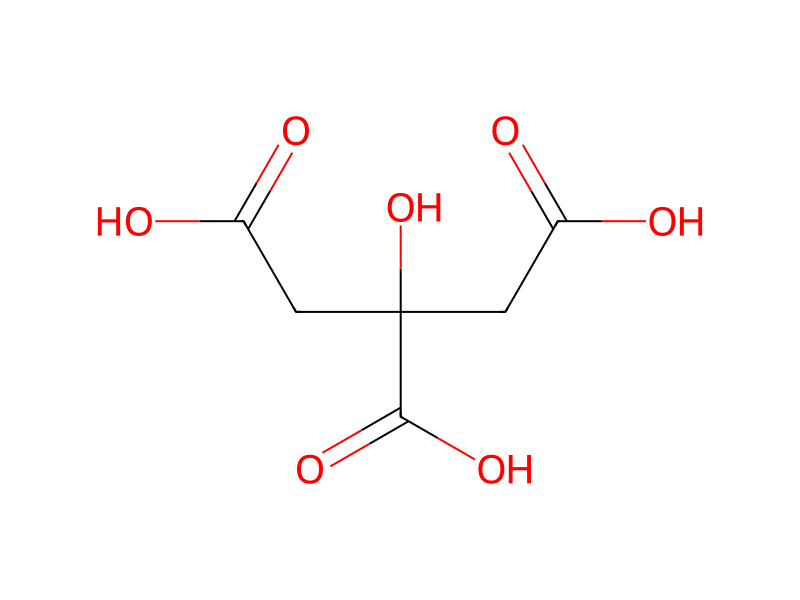
HCID 222AmmoniaHCID 311Citric AcidHCID 18954Triammonium citrate3×HCID 22814120Glucose Monohydrate2×

Product 3

HCID 18954Triammonium citrateHCID 22814120Glucose Monohydrate
HCID 86610305
Triammonium citrate dextrose

Reagents, catalysts & solvents 1

HCID 962WaterSolvent

Procedure

Aqueous triammonium citrate-dextrose binders were prepared according to the following procedure: Aqueous solutions (25%) of triammonium citrate (81.9 g citric acid, 203.7 g water, and 114.4 g of a 19% percent solution of ammonia) and dextrose monohydrate (50.0 g of dextrose monohydrate in 150.0 g water) were combined at room temperature in the following proportions by volume: 1:24, 1:12, 1:8, 1:6, 1:5, 1:4, and 1:3, where the relative volume of triammonium citrate is listed as “1.” For example, 10 mL of aqueous triammonium citrate mixed with 50 mL of aqueous dextrose monohydrate afforded a “1:5” solution, wherein the mass ratio of triammonium citrate to dextrose monohydrate is about 1:5, the molar ratio of triammonium citrate to dextrose monohydrate is about 1:6, and the ratio of the number of molar equivalents of acid salt groups, present on triammonium citrate, to the number of molar equivalents of hydroxyl groups, present on dextrose monohydrate, is about 0.10:1. The resulting solutions were stirred at room temperature for several minutes, at which time 2-g samples were removed and thermally cured as described in Example 2.

Workup

  1. customwere combined at room temperature in the following proportions by volume

Sources & evidence

ORD record
ord-bbdd85a5225d4c659d03d6b19f553c0a
Source dataset
uspto-grants-2016_09
DOI
10.6084/m9.figshare.5104873.v1
Patent number
US09434854B2

Reaction notes

Loading…

On this pageParticipantsProcedureWorkupSources & evidenceReaction notes