Reaction equation

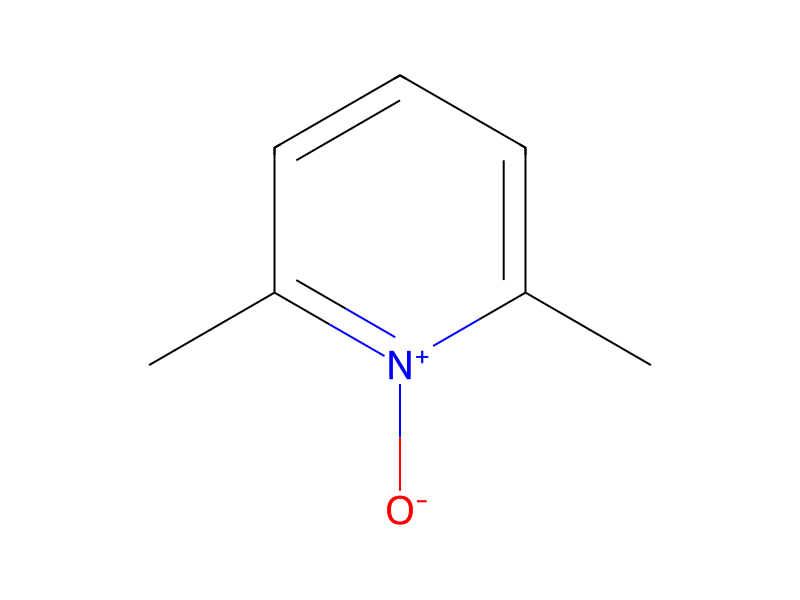
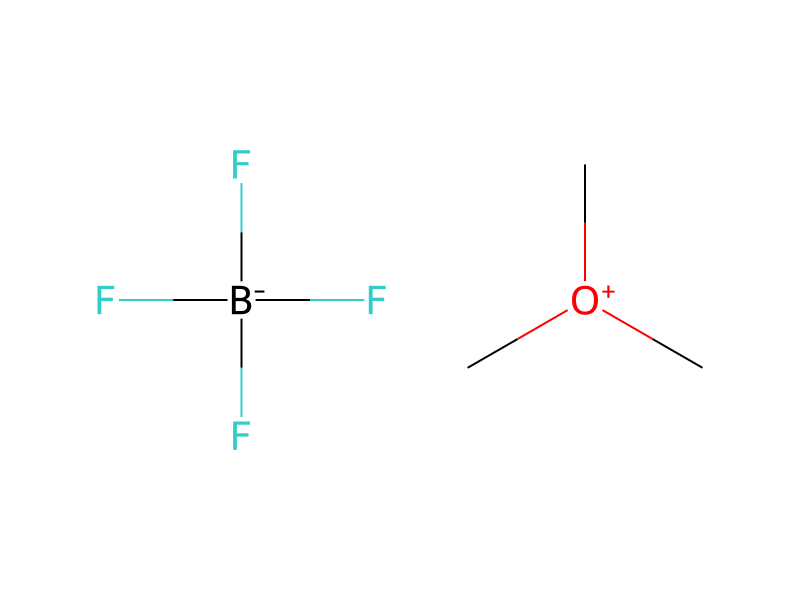
[N+:1]1([O-])[C:2]([CH3:8])=[CH:3][CH:4]=[CH:5][C:6]=1[CH3:7].F[B-](F)(F)F.[CH3:15][O+:16](C)C>C(Cl)Cl>[OH:16][CH2:15][C:4]1[CH:3]=[C:2]([CH3:8])[N:1]=[C:6]([CH3:7])[CH:5]=1Participants
Reactant 2
Product 1

Reagents, catalysts & solvents 1

Procedure
A solution of 2,6-lutidine N-oxide (41.6 g, 0.337 mol, 1.0 equiv.) in dry DCM (650 mL) was added to a flask containing trimethyloxonium tetrafluoroborate (50.0 g, 0.337 mol, 1.0 equiv.) at room temperature. under a nitrogen atmosphere. The mixture was stirred at room temperature for 3.0 hours, then concentrated in vacuo to give 78 g of crude 4-hydroxymethyl-2,6-dimethylpyridine. The crude product was dissolved in methanol (500 mL) and the solution was heated to reflux under a nitrogen atmosphere, then a solution of ammonium persulfate (24.6 g, 0.101 mol) in water (100 mL) was added dropwise. The mixture was stirred at reflux for 16 hours; TLC indicated complete reaction. Half of the solvents were removed in vacuo, then quenched with 10% NaOH solution to pH approximately 7, and evaporated to dryness. The residue was dissolved in methanol and filtered, the filtrate was concentrated in vacuum, and purified by column chromatography (eluting with methanol: DCM=5-15%) to give the title compound as a white solid. Yield: 24.7 g (52%).
Workup
- concentrationconcentrated in vacuo
Sources & evidence
- ORD record
- ord-10523c9ad4bb4b6594fcea8c9eb51f1b
- Source dataset
- uspto-grants-2016_01
- Patent number
- US09238640B2
Linked notes
Loading…