2-Bromo-3-chloropyridine → HCID 178418225, compound
Reaction equation

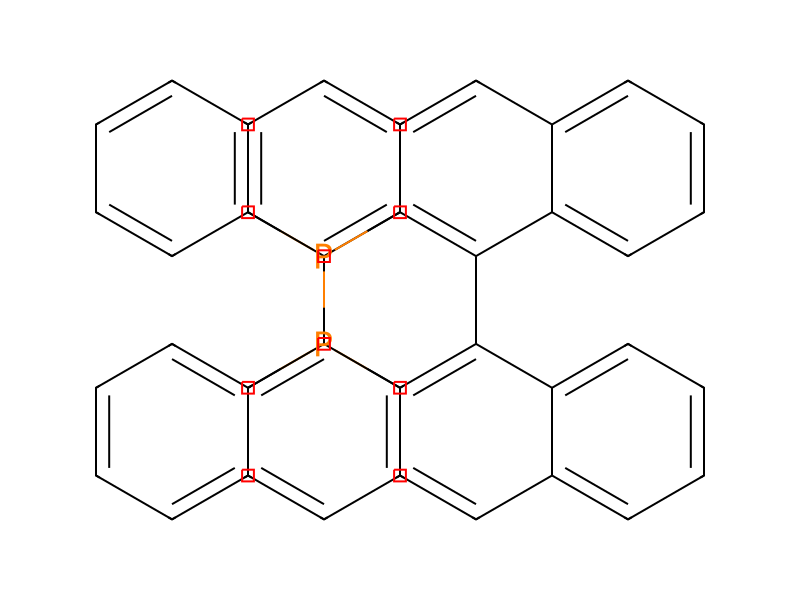
Clc1cccnc1Br.N[C@@H]1CCCNC1=O>CC(C)(C)[O-].Cc1ccccc1.O=C(/C=C/c1ccccc1)/C=C/c1ccccc1.O=C(/C=C/c1ccccc1)/C=C/c1ccccc1.O=C(/C=C/c1ccccc1)/C=C/c1ccccc1.[Na+].[Pd].[Pd].c1ccc(P(c2ccccc2)c2ccc3ccccc3c2-c2c(P(c3ccccc3)c3ccccc3)ccc3ccccc23)cc1>O=C1NCCC[C@H]1Nc1ncccc1ClParticipants
7
Reactant 2


Product 1

Reagents, catalysts & solvents 4



Conditions
- Temperature
- 115 °C
Procedure
In a 5 ml MW vial, Pd2((dba)3 (7.23 mg, 7.90 µmol), 2,2'-bis(diphenylphosphanyl)-1,1'-binaphthalene (BINAP) (9.71 mg, 0.02 mmol), sodium 2-methylpropan-2-olate (174 mg, 1.81 mmol), (R)-3-aminopiperidin-2-one (119 mg, 1.04 mmol) and 2-bromo-3-chloropyridine (200 mg, 1.04 mmol) mixed in toluene (2 mL) to give a brown suspension. The mixture was degassed with N2 bubbling for 5 min, then the vial was capped and the reaction stirred at 115°C in an oil-bath over night. The reaction was cooled to rt, DCM and aq NaHCO3 were added, the mixture stirred, filtered through a phase separator and evaporated. LC-MS crude: Traces of product, mainly starting bromide left. Reaction discarded.
Sources & evidence
- ORD record
- ord-945adafe269741f9bc504b4e9b38a0a3
- Source dataset
- 750 AstraZeneca ELN dataset
- Original link
- View source
Reaction notes
Loading…