Reaction equation

[CH:1]1[C:6]([CH2:7][CH2:8][CH2:9][C:10]([OH:12])=[O:11])=[CH:5][CH:4]=[C:3]([N:13]([CH2:17][CH2:18][Cl:19])[CH2:14][CH2:15][Cl:16])[CH:2]=1.[CH3:20][C:21]1([CH3:31])[N:26]([O:27])[C:25]([CH3:29])([CH3:28])[CH2:24][CH:23]([OH:30])[CH2:22]1>>[CH:5]1[C:6]([CH2:7][CH2:8][CH2:9][C:10]([OH:12])=[O:11])=[CH:1][CH:2]=[C:3]([N:13]([CH2:14][CH2:15][Cl:16])[CH2:17][CH2:18][Cl:19])[CH:4]=1.[CH3:20][C:21]1([CH3:31])[N:26]([O:27])[C:25]([CH3:29])([CH3:28])[CH2:24][CH:23]([OH:30])[CH2:22]1Participants
3
Reactant 2
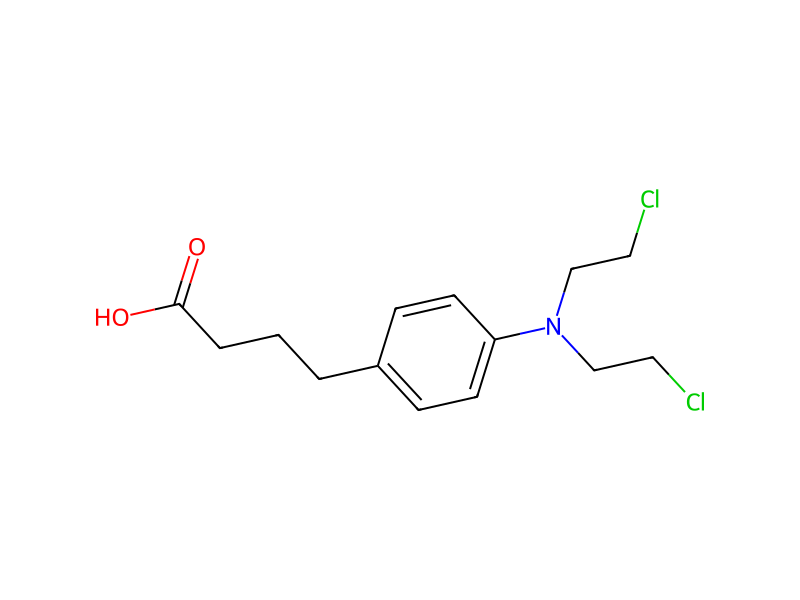

Product 1

Procedure
All the peaks for the product are visible with a slight trace of impurity; proton signal of the reduced nitroxyl radical appears as a broad hump between 8 to 10 ppm. The peaks belonging to the chlorambucil moiety of the adduct are well characterized with the para substituted aromatic protons appearing in the region between 6.5 to 7.03 ppm. The dimethyl groups of TEMPOL appear together as a singlet at 1.3 ppm and the methylene groups at 1.75 -2.07 ppm, the N, N-diethyl chloride peaks in the region between 3.5 and 3.7ppm and the peaks belonging to the butanoic acid chain in the region of 1.75-1.93 and 2.2 -2.5 ppm, as indicated in the following table.
Sources & evidence
- ORD record
- ord-a71ebc9877ef4061a22f971a6868a9c0
- Source dataset
- uspto-grants-2011_03
- Patent number
- US07910607B2
Linked notes
Loading…