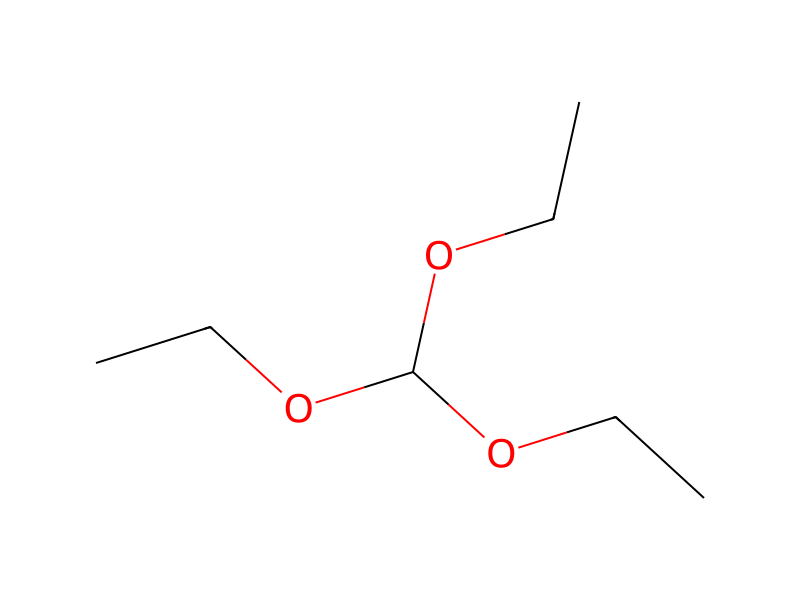
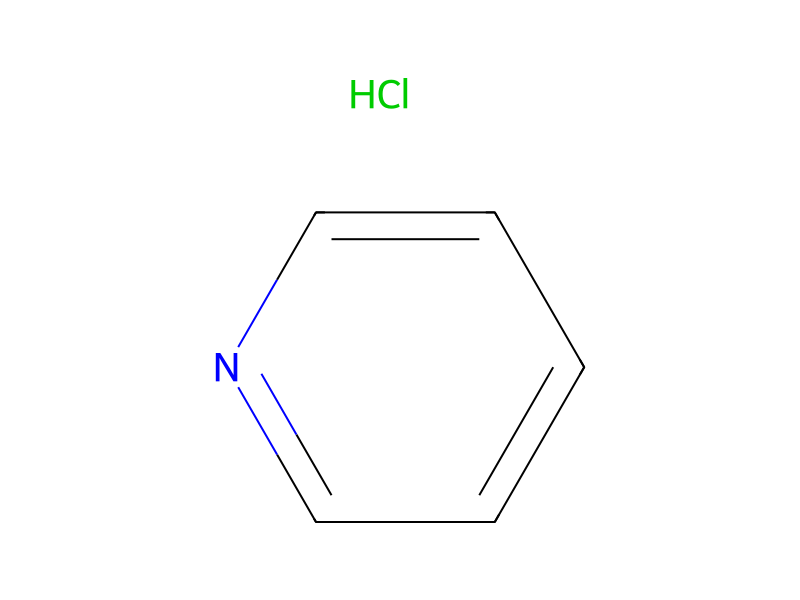
Triethyl orthoformate (0.80 mL, 4.80 mmol) and pyridine hydrochloride (0.092 g, 0.80 mmol) were sequentially added to a solution of N4-[(5-butylisoxazol-3-yl)methyl]quinoline-3,4-diamine (1.19 g, 4.00 mmol) in acetonitrile (100 mL), and the solution was heated gently at reflux overnight. An analysis by HPLC indicated the presence of starting material, and additional triethyl orthoformate and pyridine hydrochloride were added. The solution was heated at reflux for an additional 24 hours. The solvents were removed under reduced pressure, and the residue was partitioned between dichloromethane and saturated aqueous sodium bicarbonate. The aqueous layer was separated and extracted with dichloromethane, and the combined organic fractions were washed with brine, dried over magnesium sulfate, filtered, and concentrated under reduced pressure. The crude product was purified by flash column chromatography on silica gel (eluting with 3% to 8% methanol in dichloromethane) to provide 1.06 g of 1-[(5-butylisoxazol-3-yl)methyl]-1H-imidazo[4,5-c]quinoline as an orange solid.