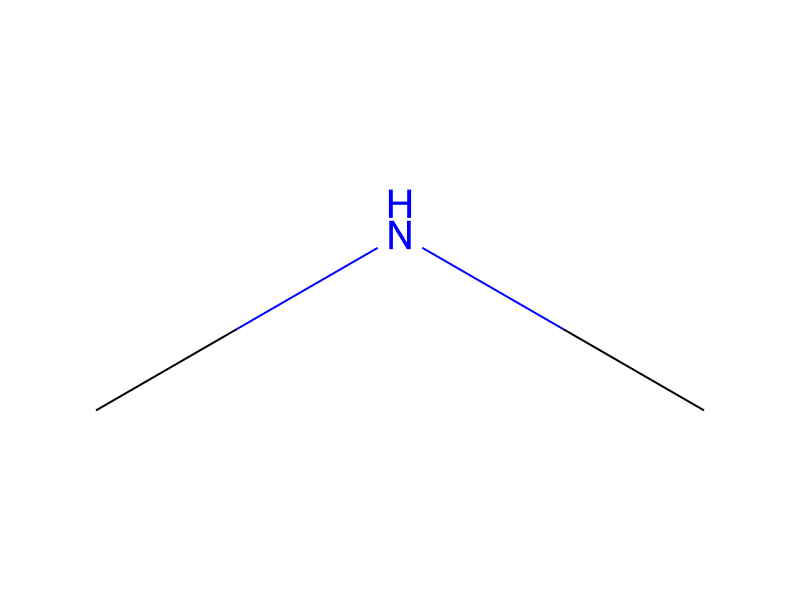
[CH2:1]([C:8]1[CH:24]=[CH:23][C:11]([C:12]([N:14]2[CH2:19][CH2:18][C:17]3[O:20][CH:21]=[CH:22][C:16]=3[CH2:15]2)=[O:13])=[CH:10][CH:9]=1)[CH2:2][CH2:3][CH2:4][CH2:5][CH2:6][CH3:7].[CH3:25][NH:26][CH3:27].[CH2:28]=O>C(O)(=O)C>[CH3:25][N:26]([CH2:28][C:21]1[O:20][C:17]2[CH2:18][CH2:19][N:14]([C:12](=[O:13])[C:11]3[CH:23]=[CH:24][C:8]([CH2:1][CH2:2][CH2:3][CH2:4][CH2:5][CH2:6][CH3:7])=[CH:9][CH:10]=3)[CH2:15][C:16]=2[CH:22]=1)[CH3:27]To a solution of 0.190 g (0.584 mmol) of 5-(4-heptylbenzoyl)-4,5,6,7-tetrahydrofuro[3,2-c]pyridine in 20 ml of acetic acid, 0.079 ml (0.88 mmol) of 50% aqueous dimethylamine and 0.071 ml (0.88 mmol) of 37% aqueous formaldehyde were added, followed by stirring at 100° C. for 50 minutes. After the solvent was distilled off under reduced pressure, the residual solution was alkalified with 5% aqueous sodium hydrogen carbonate, and extracted with dichloromethane 2 times. The combined organic layer was washed with water and dried over anhydrous sodium sulfate; the solvent was distilled off under reduced pressure. The resulting crude product was purified by silica gel column chromatography (chloroform to chloroform/methanol=25/1) to yield the desired product.