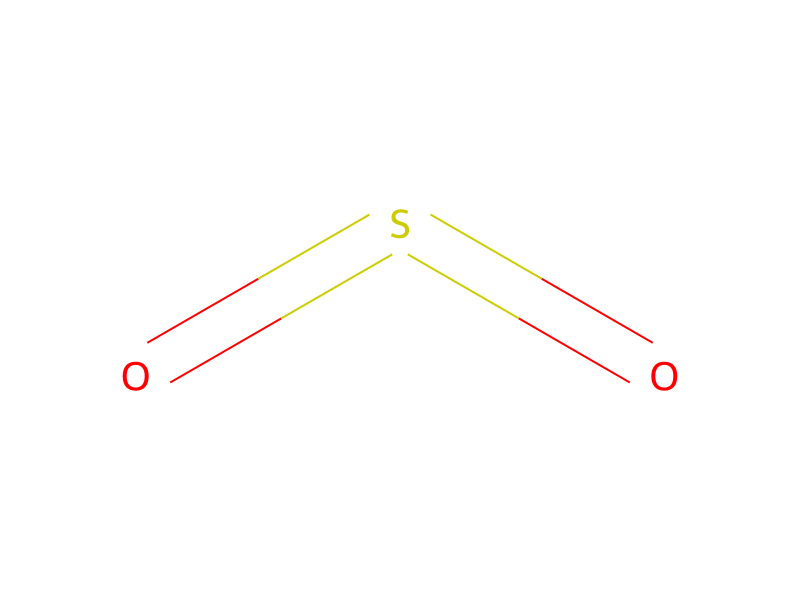
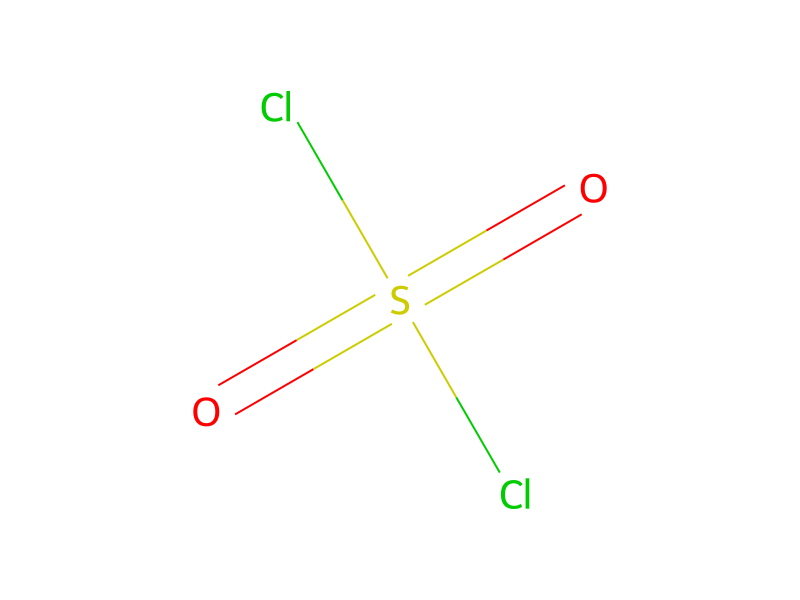
71.2 g of 3,5-di-tert. butyl-4-hydroxybenzyl-phosphonic acid diethyl ester are dissolved in 200 ml of carbon tetrachloride. After addition of a few drops of pyridine, 40.5 g of sulphuryl chloride are added dropwise, with stirring, at about 0° C in the course of 45 minutes. The reaction mixture is then further stirred for 10 hours at room temperature, in the course of which the formation of sulphur dioxide is observed. After the reaction is terminated, the solvent is removed as far as possible completely in vacuo. The semi-crystalline residue is digested with water and washed neutral and finally recrystallised from aqueous isopropanol in order to purify it. Instead of isopropanol it is also possible to use ethylene glycol monomethyl ether. Toluene is also suitable for effecting recrystallisation, but the crude product must in this case be freed from water beforehand. The 3-chloro-5-tert. butyl-4-hydroxybenzyl-phosphonic acid diethyl ester is obtained in the form of colourless crystals (stabiliser 1) with a melting point of 116° C.