HomeMCPWorkbenchSkills
HomeWorkbenchNotificationsMe
llms.txt · MCP GuidePrivacy Policy · Terms of Service · Supportv1.8.0
  1. Home
  2. /Reaction

Phenyl isocyanate → Carbamate

HRID 619889
Notes
Print preview

Reaction equation

HRID 619889 reaction equation
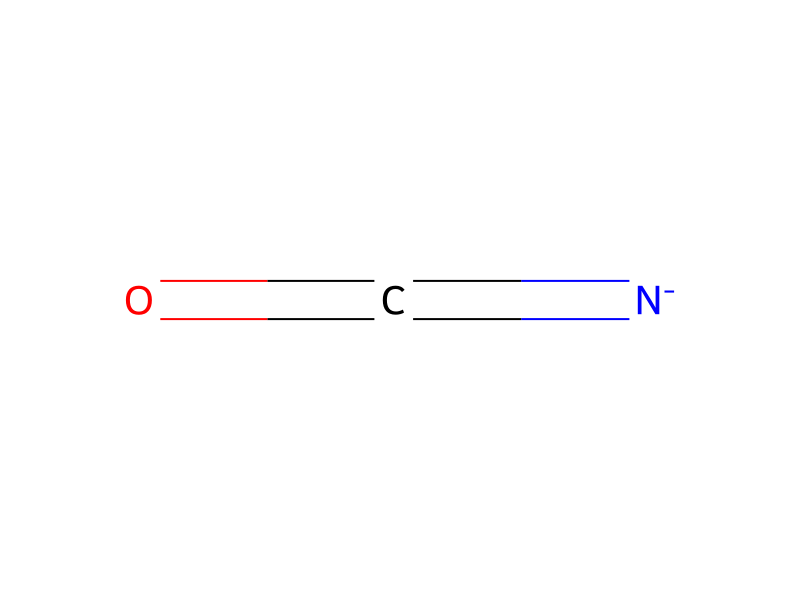
[C:1]1([N:7]=[C:8]=[O:9])[CH:6]=[CH:5][CH:4]=[CH:3][CH:2]=1.[OH:10][CH:11]([C:16]([CH3:18])=[CH2:17])[C:12]([O:14]C)=[O:13].[N-]=C=O>C1C=CC=CC=1>[C:8](=[O:9])([O-:10])[NH2:7].[C:1]1([NH:7][C:8]([O:10][CH:11]([C:16]([CH3:18])=[CH2:17])[C:12]([O-:14])=[O:13])=[O:9])[CH:6]=[CH:5][CH:4]=[CH:3][CH:2]=1
ParticipantsProcedureWorkupSources & evidenceReaction notes

Participants

6

Reactant 3

HCID 7672Phenyl isocyanateHCID 105034IsocyanateHCID 13461762Methyl 2-hydroxy-3-methylbut-3-enoate

Product 2

HCID 276CarbamateHCID 221509942-(N-phenylcarbamoyloxy)-3-methyl-3-butenoate

Reagents, catalysts & solvents 1

HCID 241Benzene
Solvent

Procedure

A benzene solution (50 ml) of phenyl isocyanate (1.19 g, 10 mmol) and methyl 2-hydroxy-3-methyl-3-butenoate (2.0 g, 10 mmol) was stirred at room temperature for 2 hours. It was confirmed by NMR and IR analysis of the reaction mixture that the isocyanate was completely consumed and a carbamate, 2-(N-phenylcarbamoyloxy)-3-methyl-3-butenoate, was produced. After the addition of triethylamine to the reaction mixture, the solution was further heated at reflux for 3 hours. The solvent was then removed under reduced pressure and methanol (10 ml) was added to the resulting residue to precipitate white crystals of the desired product. These crystals (1.51 g) were separated by filtration and identified as 3-phenyl-5-isopropylidene-1,3-oxazolidine-2,4-dione by NMR and IR analysis.

Workup

  1. customwas completely consumed

Sources & evidence

ORD record
ord-b4f02caf781645afb22c1452d0dab7e5
Source dataset
uspto-grants-1989_04
DOI
10.6084/m9.figshare.5104873.v1
Patent number
US04818272

Reaction notes

Loading…

On this pageParticipantsProcedureWorkupSources & evidenceReaction notes