Sulfuric Acid → 6-Bromo-5-fluoroquinoline
HRID 655269
Reaction equation

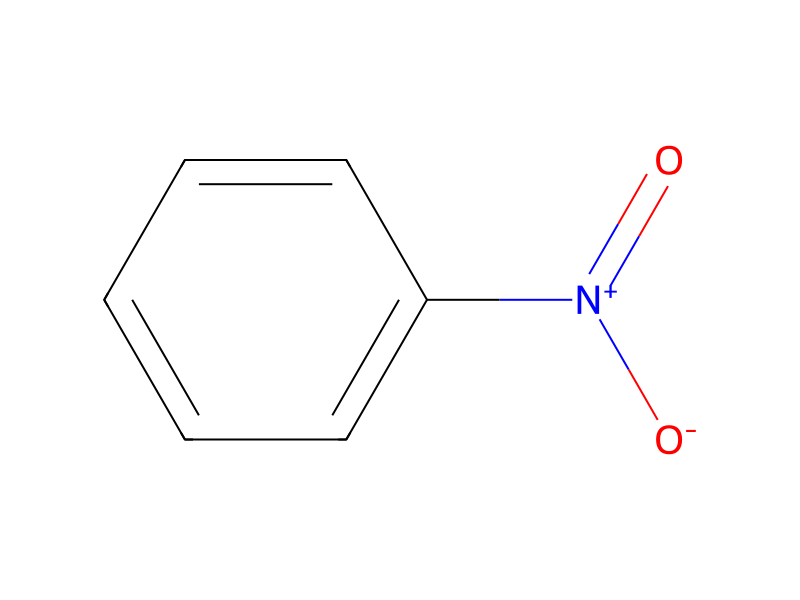
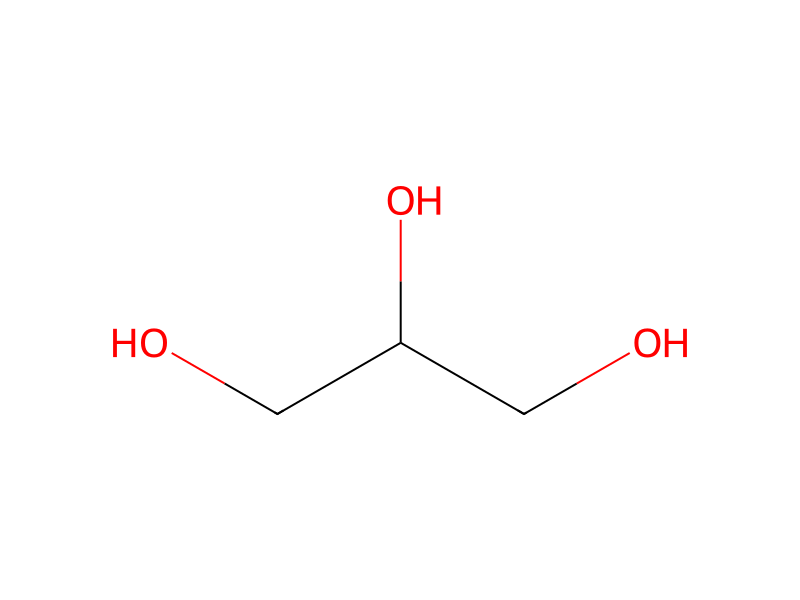
[Br:1][C:2]1[CH:7]=[CH:6][C:5]([NH2:8])=[CH:4][C:3]=1[F:9].[N+]([C:13]1[CH:18]=CC=C[CH:14]=1)([O-])=O.S(=O)(=O)(O)O>OCC(CO)O>[Br:1][C:2]1[C:3]([F:9])=[C:4]2[C:5](=[CH:6][CH:7]=1)[N:8]=[CH:18][CH:13]=[CH:14]2Participants
5
Reactant 3


Product 1

Reagents, catalysts & solvents 1
Procedure
A mixture of 4-bromo-3-fluoro-phenylamine (100 g, 526 mmol), ferrous sulfate (30 g), glycerol (200 g), nitrobenzene (40 g) and concentrated sulfuric acid (100 mL) were heated gently. After the first vigorous reaction, the mixture was heated to reflux for 5 hours. Nitrobenzene was evaporated in vacuo. The aqueous solution was acidified with glacial acetic acid and dark brown precipitate separated, which was purified by flash chromatography (silica gel, petroleum/ethyl acetate=12/1) to return a mixture of 6-bromo-5-fluoro-quinoline and 6-bromo-7-fluoro-quinoline as a white solid (80 g, 68%). This mixture was heated to reflux in petroleum ether. The solution was cooled to r.t., filtered and dried to return 6-bromo-7-fluoro-quinoline as a white solid. To the solution was added HCl/MeOH, and a white solid precipitated from the solution. The solid was filtered and basified. The resulting precipitate was collected by filtration and dried to obtain 6-bromo-5-fluoro-quinoline as white solid. 1H-NMR (DMSO-d6, 300 MHz): 9.0 (d, 1H), 8.5 (d, 1H), 8.0 (m, 1H), 7.8 (d, 1H), 7.7 (m, 1H); MS: m/z 228 [M+H+]+.