HCID 68911328, compound → 1-(3-{[4'-(2-Piperidinocarbonylethen-1-yl)biphenyl-4-yl]oxy}propyl)piperidine
HRID 657646
Reaction equation

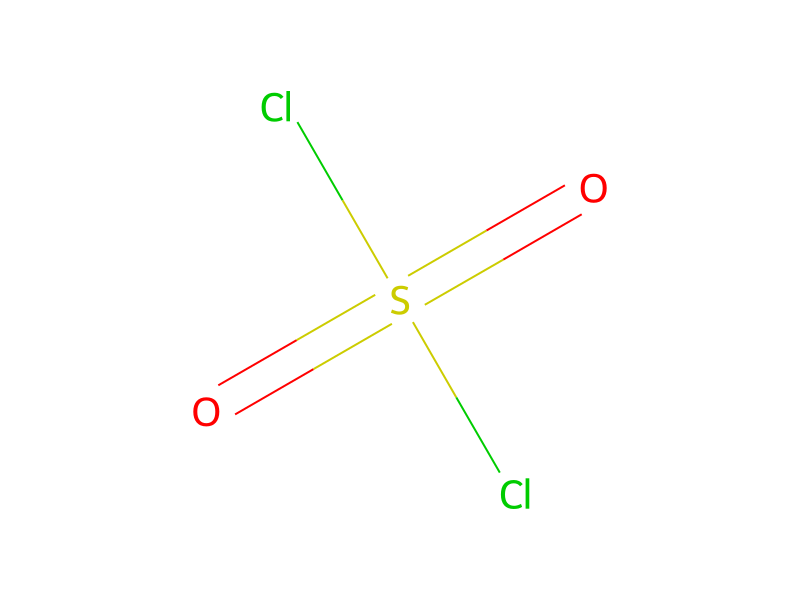
[N:1]1([CH2:7][CH2:8][CH2:9][O:10][C:11]2[CH:16]=[CH:15][C:14]([C:17]3[CH:22]=[CH:21][C:20]([CH:23]=[CH:24][C:25]([OH:27])=O)=[CH:19][CH:18]=3)=[CH:13][CH:12]=2)[CH2:6][CH2:5][CH2:4][CH2:3][CH2:2]1>S(Cl)(Cl)(=O)=O>[N:1]1([C:25]([CH:24]=[CH:23][C:20]2[CH:19]=[CH:18][C:17]([C:14]3[CH:15]=[CH:16][C:11]([O:10][CH2:9][CH2:8][CH2:7][N:1]4[CH2:2][CH2:3][CH2:4][CH2:5][CH2:6]4)=[CH:12][CH:13]=3)=[CH:22][CH:21]=2)=[O:27])[CH2:6][CH2:5][CH2:4][CH2:3][CH2:2]1Participants
3
Reactant 1

Product 1

Reagents, catalysts & solvents 1
Procedure
A solution of 3-[4′-(3-piperidinopropoxy)biphenyl-4-yl]acrylic acid (1 g) in sulfonyl chloride (5 mL) is stirred at a temperature close to 40° C. for two hours, then concentrated under reduced pressure. The concentrate is dissolved in dichloromethane (10 mL) and piperidine (4 mL) is added dropwise. The mixture is stirred at room temperature for one hour, washed with water, then a normal aqueous solution of hydrochloric acid, dried over magnesium sulfate, concentrated and purified by chromatography over silica gel using a gradient dichloromethane/methanol from 100/0 to 95/5. Fractions containing the expected product are pooled and concentrated under reduced pressure to afford 840 mg of 1-(3-{[4′-(2-piperidinocarbonylethen-1-yl)biphenyl-4-yl]oxy}propyl)piperidine as beige crystals melting at 146-150° C.