Potassium Hydroxide → 2,3-Diphenylpyrazine
HRID 659917
Reaction equation

[C:1]1([C:7]2[C:12]([C:13]3[CH:18]=[CH:17][CH:16]=[CH:15][CH:14]=3)=[N:11][CH2:10][CH2:9][N:8]=2)[CH:6]=[CH:5][CH:4]=[CH:3][CH:2]=1.[OH-].[K+]>OCC(CO)O>[C:1]1([C:7]2[C:12]([C:13]3[CH:14]=[CH:15][CH:16]=[CH:17][CH:18]=3)=[N:11][CH:10]=[CH:9][N:8]=2)[CH:6]=[CH:5][CH:4]=[CH:3][CH:2]=1Participants
4
Reactant 2


Product 1

Reagents, catalysts & solvents 1
Procedure
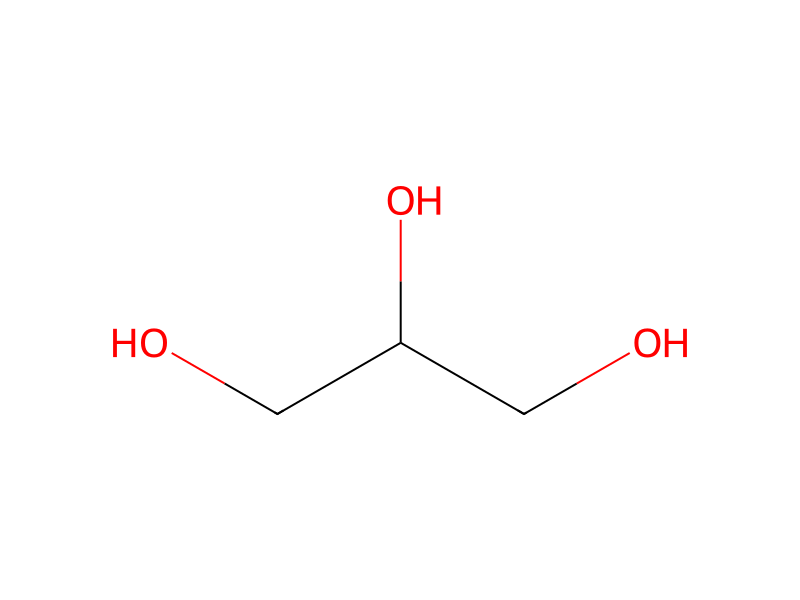
Next, 18.3 g (78.2 mmol) of 2,3-diphenyl-5,6-dihydropyrazine and 4.4 g of potassium hydroxide are added to 200 mL of dissolved glycerin, and stirring with heating is performed at 190° C. for 20 minutes. After cooling, extraction with ether is performed several times, the ether is removed, and purification by column chromatography is performed with the use of an ethyl acetate/hexane solvent. By removing the ethyl acetate/hexane solvent, a ligand Hdppr (2,3-diphenylpyrazine) is obtained (apricot-orange powder, yield: 22%). The reactions in the step 1 are shown by a formula (107).