Reaction equation

P(Cl)(Cl)(Cl)(Cl)Cl.C(C(=C)C(O)=O)(=O)C1C=CC=CC=1.[Cl:20][C:21]1[CH:27]=[CH:26][CH:25]=[C:24]([Cl:28])[C:22]=1[NH2:23].[C:29]([CH:37]=[CH:38][C:39](NC1C(F)=C(F)C(F)=C(F)C=1F)=[O:40])(=[O:36])[C:30]1[CH:35]=[CH:34][CH:33]=[CH:32][CH:31]=1.FC1C(N)=C(F)C(F)=C(F)C=1F>>[C:29]([CH:37]=[CH:38][C:39]([NH:23][C:22]1[C:21]([Cl:20])=[CH:27][CH:26]=[CH:25][C:24]=1[Cl:28])=[O:40])(=[O:36])[C:30]1[CH:35]=[CH:34][CH:33]=[CH:32][CH:31]=1Participants
6

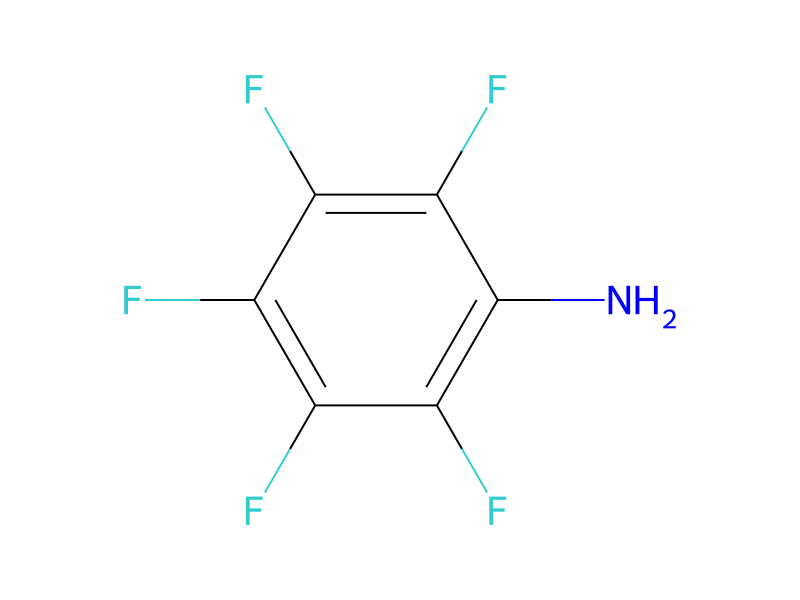


Procedure
The following additional compounds are prepared by employing PCl5 reagent in accordance with the method of the above Example 6. An analogous quantity of the appropriate benzoylacrylic acid or a substituted benzoylacrylic acid is employed in the manner of the benzoylacrylic acid of Example 5. Likewise, an analogous quantity of the appropriately substituted aniline is employed in the manner of the 2,6-dichloroaniline. Thus, to prepare 3-(benzoyl)pentafluoroacrylanilide, an analogous amount of benzoylacrylic acid is employed and there is used an analogous quantity of pentafluoroaniline in place of the 2,6-dichloroaniline.
Workup
- customThe following additional compounds are prepared
Sources & evidence
- ORD record
- ord-3d7c09b7671b429ca9133e350ed4823e
- Source dataset
- uspto-grants-1978_12
- Patent number
- US04130661
Linked notes
Loading…