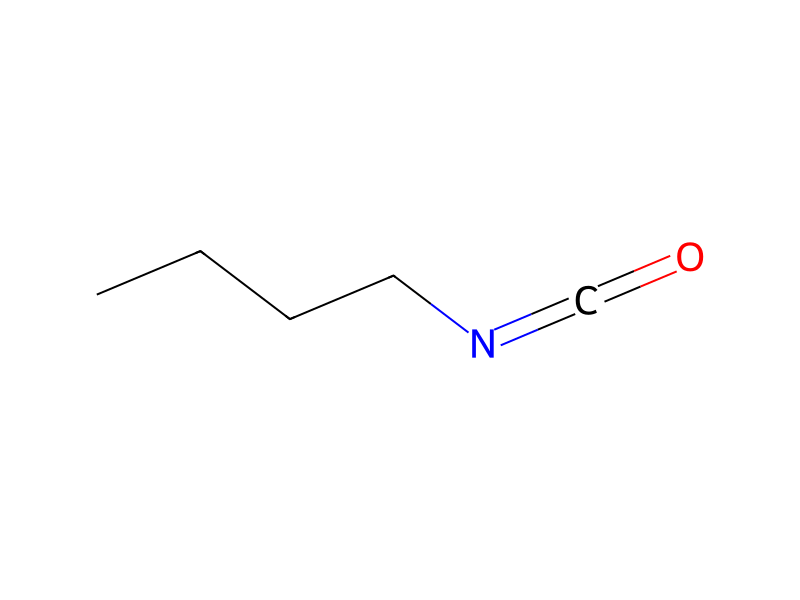
[CH2:1]([N:5]=[C:6]=[O:7])[CH2:2][CH2:3][CH3:4].[Cl:8][C:9]1[N:18]=[C:17]2[C:12]([CH:13]=[CH:14][C:15]([N:19]3[CH:27]([OH:28])[C:26]4[C:21](=[N:22][CH:23]=[CH:24][N:25]=4)[C:20]3=[O:29])=[N:16]2)=[CH:11][CH:10]=1>C(#N)C.C(Cl)Cl>[CH2:1]([NH:5][C:6]([O:28][CH:27]1[C:26]2[C:21](=[N:22][CH:23]=[CH:24][N:25]=2)[C:20](=[O:29])[N:19]1[C:15]1[CH:14]=[CH:13][C:12]2[C:17](=[N:18][C:9]([Cl:8])=[CH:10][CH:11]=2)[N:16]=1)=[O:7])[CH2:2][CH2:3][CH3:4]n-Butyl isocyanate (5 g.) is added to a suspension of 6-(7-chloro-1,8-naphthyridin-2-yl)-5-hydroxy-7-oxo-6,7-dihydro-5H-pyrrolo[3,4-b]pyrazine (7.8 g.) in anhydrous acetonitrile (156 cc.) and the mixture is heated at the reflux temperature for 7 hours. The insoluble product is filtered off and washed with anhydrous acetonitrile (2 × 10 cc.). The product obtained is dissolved in methylene chloride (430 cc.) and the resulting solution is washed by successive decantations with 0.1N sodium hydroxide solution (85 cc.) and water (85 cc.). After drying, the organic phase is concentrated to dryness under reduced pressure (20 mm.Hg). Recrystallisation of the residue obtained, from acetonitrile (230 cc.), gives 5-n-butylaminocarbonyloxy-6-(7-chloro-1,8-naphthyridin-2-yl)-7-oxo-6,7-dihydro-5H-pyrrolo[3,4-b]pyrazine (5.2 g.) melting at 264° C.