Reaction equation

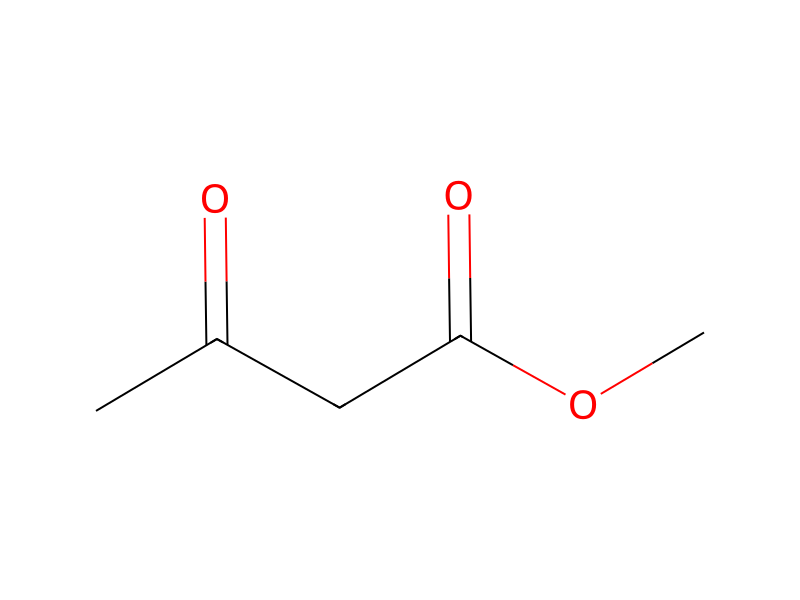
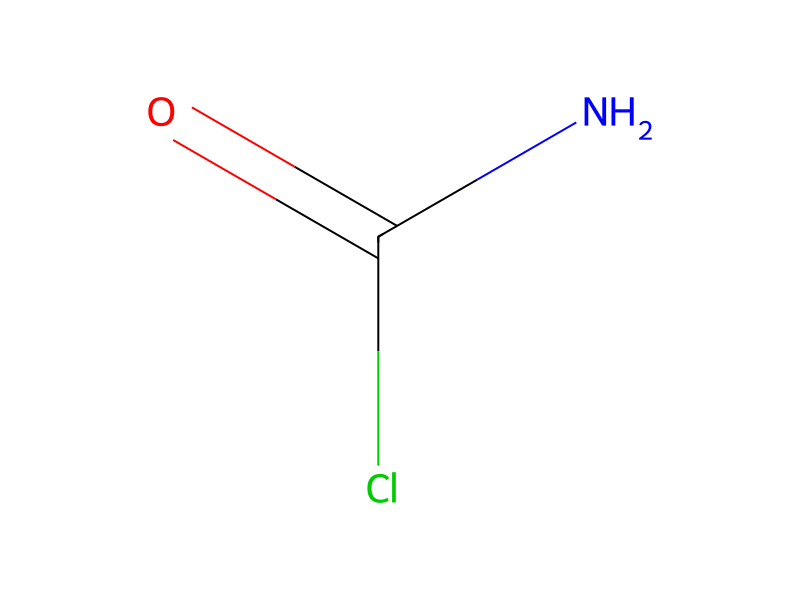
C(Cl)(=O)N.[Cl:5][C:6]([Cl:11])([Cl:10])[C:7]([NH2:9])=[NH:8].C[O:13][C:14](=O)[CH2:15][C:16]([CH3:18])=O>>[OH:13][C:14]1[CH:15]=[C:16]([CH3:18])[N:9]=[C:7]([C:6]([Cl:11])([Cl:10])[Cl:5])[N:8]=1Participants
4


Procedure
The pyrimidinyl carbamate compounds of the present invention may be prepared by reacting trichloroacetamidine with the corresponding acetoacetate to form the corresponding 4-hydroxy-2-trichloromethylpyrimidine, which is then reacted with a selected carbamoyl chloride. These general reactions are illustrated below in equations (A) and (B). In equation (A), trichloroacetamidine is reacted with methylacetoacetate to form 4-hydroxy-6-methyl-2-trichloromethylpyrimidine. In equation (B), the 4-hydroxy-6-methyl-2-trichloromethylpyrimidine is reacted with dimethylcarbamoyl chloride to form 6-methyl-2-trichloromethyl-4-pyrimidinyl dimethylcarbamate. ##STR3##
Sources & evidence
- ORD record
- ord-1123ac975f29475ca70fb7029fd9b47f
- Source dataset
- uspto-grants-1982_08
- Patent number
- US04343803
Linked notes
Loading…