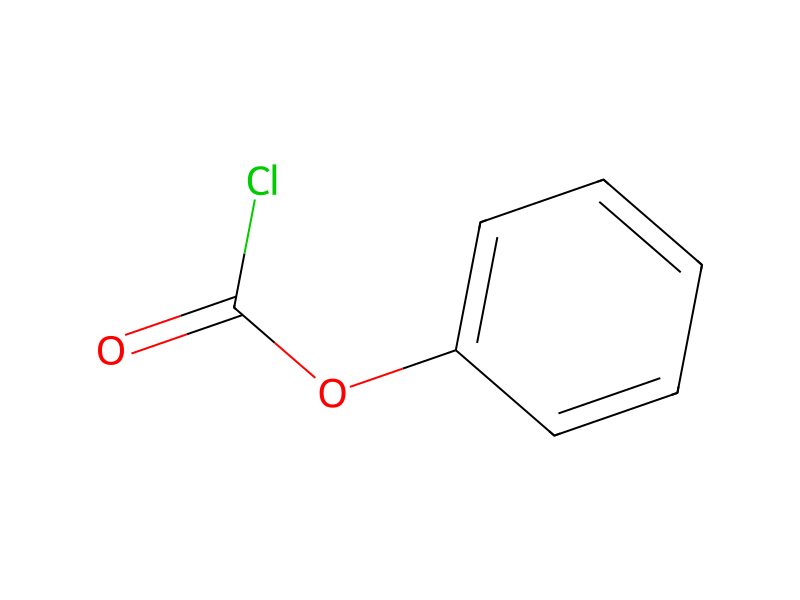
The compound was synthesized as hydrochloride salt by the following procedure. Phenyl chloroformate (0.98 mL, 7.8 mmol) was dissolved in CH2Cl2, cooled down to 0° C. and 5-aminobenzimidazole (0.865 g, 6.5 mmol) was added slowly. The mixture was kept at 0° C. for 30 min and then the mixture was allowed to adapt ambient temperature. The mixture was stirred at ambient temperature for 2 h. The resulting solid was withdrawn by suction, dried and taken up in a small amount of DMF. To the solution, 1-amino-3,3-dimethylbutan-2-one (0.986, 6.5 mmol) and TEA (2.73 mL, 19.5 mmol) were added. The mixture was kept at 40° C. for 2 h. The solvent was removed and purified by means of preparative HPLC. The remains were re-dissolved in MeOH and a small amount of HCl was added (1-2%). The solution was subjected to hydrogenation (PdC, 10% on charcoal, 4 bar, 60° C.) for 4 h. The catalyst was removed by filtration through a pad of CELITE® and the residue was washed with water. The organic layer was dried, filtrated and the solvent was removed to result in the final product.