4(S)-Benzyloxy-N-tert-butyl-1-(tert-butyloxycarbonyl) pyrrolidine-2(S)-carboxamide → 4(S)-benzyloxy-N-tert-butylpyrrolidine-2(S)-carboxamide
HRID 741613
Reaction equation

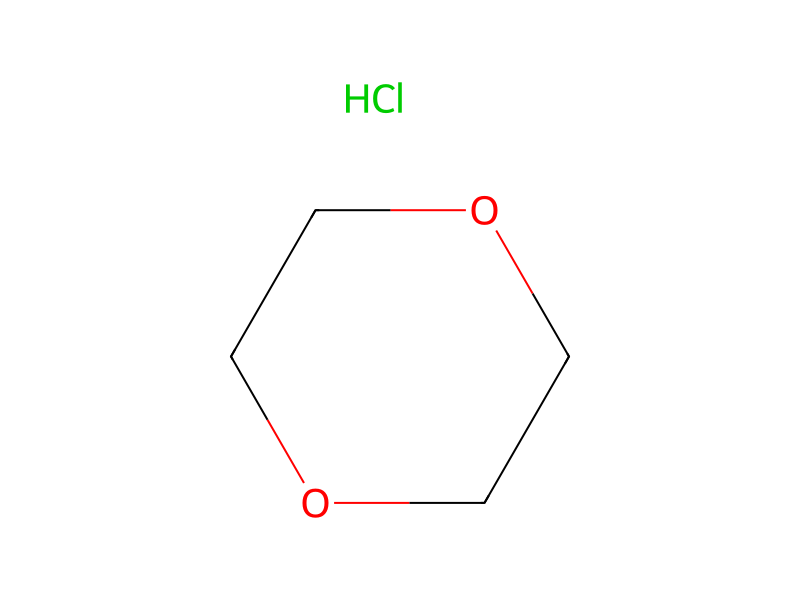
[CH2:1]([O:8][C@@H:9]1[CH2:13][N:12](C(OC(C)(C)C)=O)[C@H:11]([C:21]([NH:23][C:24]([CH3:27])([CH3:26])[CH3:25])=[O:22])[CH2:10]1)[C:2]1[CH:7]=[CH:6][CH:5]=[CH:4][CH:3]=1>Cl.O1CCOCC1>[CH2:1]([O:8][C@@H:9]1[CH2:13][NH:12][C@H:11]([C:21]([NH:23][C:24]([CH3:27])([CH3:26])[CH3:25])=[O:22])[CH2:10]1)[C:2]1[CH:3]=[CH:4][CH:5]=[CH:6][CH:7]=1Participants
3


Procedure
A solution of the title compound of example 1 (250 mg, 0.664 mmol) in 6N HCl/dioxane was stirred at room temperature for 20 min and then concentrated to dryness under reduced pressure. The residue was diluted with EtOAc (10 mL) and 2 N aqueous NaOH (3 mL). The mixture was stirred at room temperature for 15 min. The organic layer was separated, washed with a minimum amount of H2O and brine, dried (MgSO4) and concentrated to dryness under reduced pressure. The residue was dried under high vacuum to give 4(S)-benzyloxy-N-tert-butylpyrrolidine-2(S)-carboxamide, the carboxamide of formula 3 wherein R1 is C(CH3)3 and Y is OCH2Ph {C(O)NHR1 /Y=cis}.