Reaction equation

[C:1](OCC)(=[O:10])/[CH:2]=[CH:3]/[C:4]1[CH:9]=[CH:8][CH:7]=[CH:6][CH:5]=1.[C:14]([O:19]CC)(=O)/[CH:15]=[CH:16]/[CH3:17].[C:22](OC)(=O)/[CH:23]=[CH:24]/[C:25](OC)=O.C(OC)(=O)/C=C\C(OC)=O.O=[C:43]1[CH2:50][C:47](C)(C)[CH2:46][C:45]([CH3:51])=[CH:44]1>>[CH2:2]=[CH:3][C:4]1[CH:9]=[CH:8][CH:7]=[CH:6][CH:5]=1.[CH2:1]=[CH:2][CH2:3][CH2:4][CH2:5][CH2:44][CH2:43][CH2:50][CH2:47][CH2:46][CH2:45][CH3:51].[CH:23]1[CH:22]=[CH:17][C:16]([CH:15]([OH:10])[CH2:14][OH:19])=[CH:25][CH:24]=1Participants






Procedure
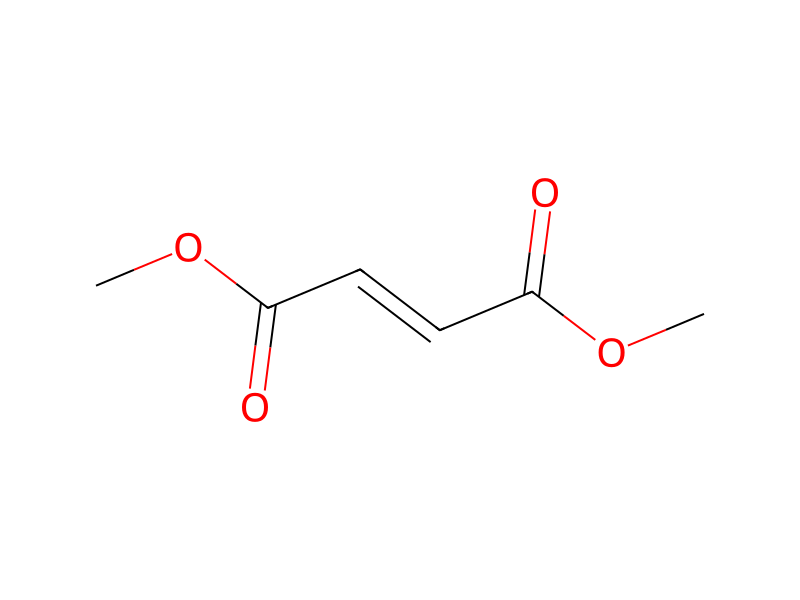
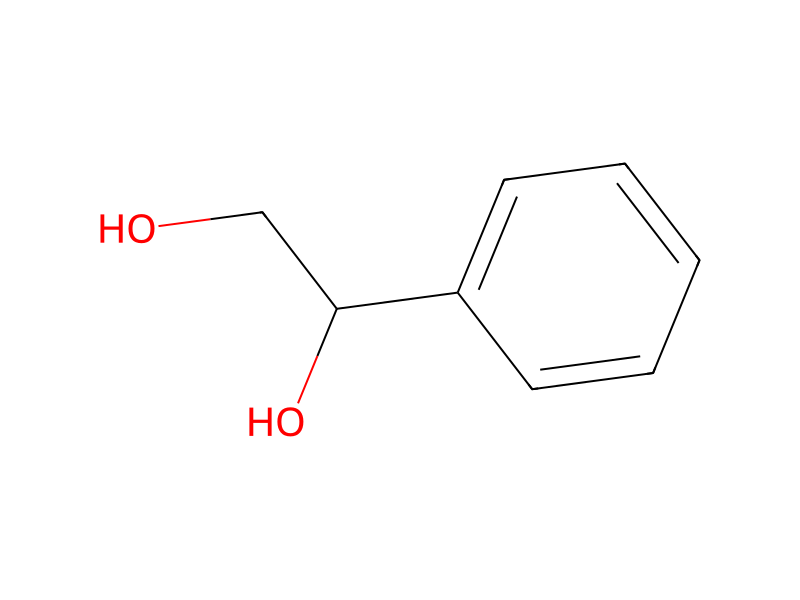
Using the nano-RuHAP catalyzed protocol, alkenes were selectively converted into corresponding cis-1,2-diol with moderate to good yields (see TABLE 1). α,β-unsaturated alkenes such as ethyl trans-cinnamate, ethyl crotonate, dimethyl fumarate, dimethyl maleate and isophorone can be transformed to their corresponding cis-1,2-diols in 70, 65, 53, 50 and 64% isolated yields, respectively (entries 1-5). Under the Ru-catalyzed conditions, effective oxidations of styrene and 1-dodecene gave styrene glycol (85%) and dodecene glycol (75%) in good yields (entries 6 and 7). Likewise, dihydroxylation of 1,2-disubstituted alkenes including 1,4-diacetoxy-cis-but-2-ene and phenanthrene has been achieved to afford the corresponding cis-1,2-diols in 61 and 60% yields (entries 8 and 9). Using 1-acetoxy cyclohex-2-ene as substrate, the Ru-catalyzed dihydroxylation furnished 1-acetoxy-2,3-dihydroxycyclohexane in 75% yield (entry 10) with the anti-isomer being the major product (anti:syn=9:1). Yet, the catalytic dihydroxylation of trisubstituted alkenes such as (3-benzloxy)-1-methylbut-1-ene appeared to be less effective, and the corresponding cis-1,2-diol was obtained in only 45% yield (entry 11).
Workup
- customto good yields (see TABLE 1)
- customisolated
- customyields
Sources & evidence
- ORD record
- ord-0ad2ec2802904b11b9898c82bd65ec2d
- Source dataset
- uspto-grants-2008_07
- Patent number
- US07393985B2
Linked notes
Loading…