Reaction equation

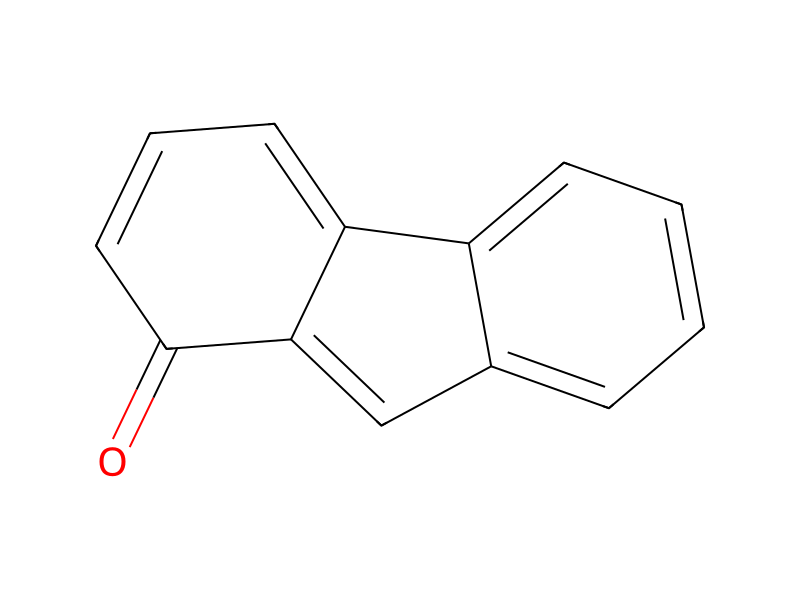
S(=O)(=O)(O)O.[OH:6][CH2:7][CH2:8][O:9][C:10]1[CH:15]=[CH:14][C:13]([C:16]2([C:29]3[CH:34]=[CH:33][C:32]([O:35][CH2:36][CH2:37][OH:38])=[CH:31][CH:30]=3)[C:28]3[CH:27]=[CH:26][CH:25]=[CH:24][C:23]=3[C:22]3[C:17]2=[CH:18][CH:19]=[CH:20][CH:21]=3)=[CH:12][CH:11]=1.[C:39]1(=[O:52])[C:51]2[C:43]([C:44]3[C:49]([CH:50]=2)=[CH:48][CH:47]=[CH:46][CH:45]=3)=[CH:42][CH:41]=[CH:40]1.O(C(O)C)C1C=CC=CC=1>>[OH:38][CH2:37][CH2:36][O:35][C:32]1[CH:33]=[CH:34][C:29]([C:16]2([C:13]3[CH:12]=[CH:11][C:10]([O:9][CH2:8][CH2:7][OH:6])=[CH:15][CH:14]=3)[C:17]3[CH:18]=[CH:19][CH:20]=[CH:21][C:22]=3[C:23]3[C:28]2=[CH:27][CH:26]=[CH:25][CH:24]=3)=[CH:30][CH:31]=1.[C:39]1(=[O:52])[C:51]2[C:43]([C:44]3[C:49]([CH:50]=2)=[CH:48][CH:47]=[CH:46][CH:45]=3)=[CH:42][CH:41]=[CH:40]1.[O:9]([CH2:8][CH2:7][OH:6])[C:10]1[CH:15]=[CH:14][CH:13]=[CH:12][CH:11]=1Participants




Procedure
Further, the inventors of the present invention disclose, as a method using no sulfuric acid, a method of obtaining 9,9-bis(4-(2-hydroxyethoxy)phenyl)fluorene by reacting fluorenone with phenoxyethanol in the presence of a heteropoly acid serving as a catalyst, which method includes (a) partitioning a target substance into an organic phase by adding an extract agent constituted by water and an organic solvent to a reaction liquid and (b) recovering the target substance (refer to Patent Literature 8). Further, the inventors of the present invention propose: a method for producing 9,9-bis(4-(2-hydroxyethoxy)phenyl)fluorene from fluorenone and 2-phenoxyethanol in the presence of a heteropoly acid catalyst (Patent Literature 9); and a method for producing 9,9-bis(4-(2-hydroxyethoxy)phenyl)fluorene whose melting point is 160° C. to 166° C. (Patent Literature 10). Moreover, there is disclosed a method of obtaining a fluorene derivative by reacting fluorenone with a phenol by using hydrochloric acid and a thiol serving as catalysts, which method includes partitioning a target substance into an organic phase by using an extract agent and recovering the target substance (refer to Patent Literature 11). However, according to these methods, a reaction liquid contains a large amount of unreacted phenol or phenoxyalcohol, which is highly soluble in water. This may cause a reduction in liquid separability, and thus cause a deterioration in hue or purity. Further, these methods place a large burden on the environment, because a large amount of organic compounds such as phenols or phenoxyalcohols are mixed in an aqueous phase, and/or it is necessary to use a large amount of organic solvent for liquid separation. Therefore, these methods are not industrially advantageous.
Workup
- custompartitioning a target substance into an organic phase
- additionby adding an extract agent
- customan organic solvent to a reaction liquid and (b)
- customrecovering the target substance (refer to Patent Literature 8)
Sources & evidence
- ORD record
- ord-7770224673d74d02952ff7d797f0d730
- Source dataset
- uspto-grants-2014_09
- Patent number
- US08841491B2
Linked notes
Loading…