Water → 7-Bromo-8-methylpyrido[2,3-b]pyrazine
HRID 80557
Reaction equation

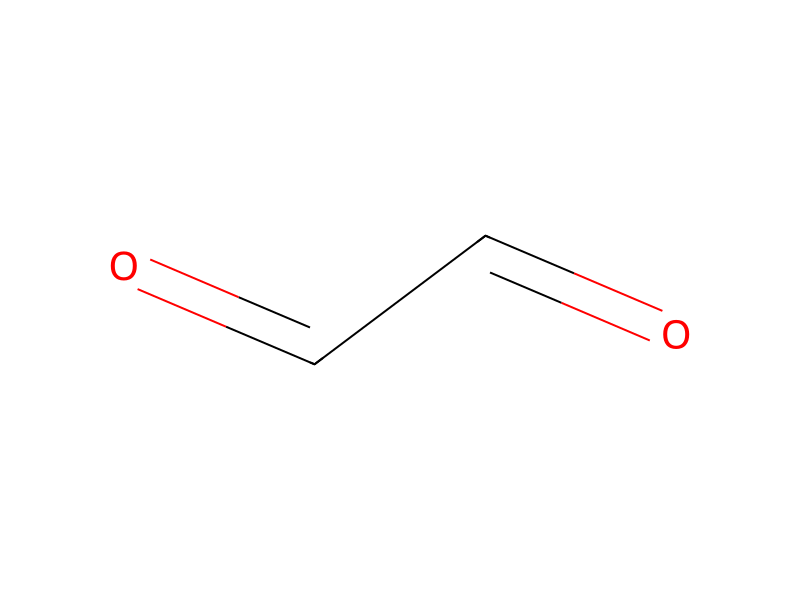
[Br:1][C:2]1[C:3]([CH3:10])=[C:4]([NH2:9])[C:5]([NH2:8])=[N:6][CH:7]=1.[CH:11]([CH:13]=O)=O.O>C(O)C.O>[Br:1][C:2]1[CH:7]=[N:6][C:5]2=[N:8][CH:11]=[CH:13][N:9]=[C:4]2[C:3]=1[CH3:10]Participants
5
Reactant 3


Product 1

Reagents, catalysts & solvents 1
Procedure
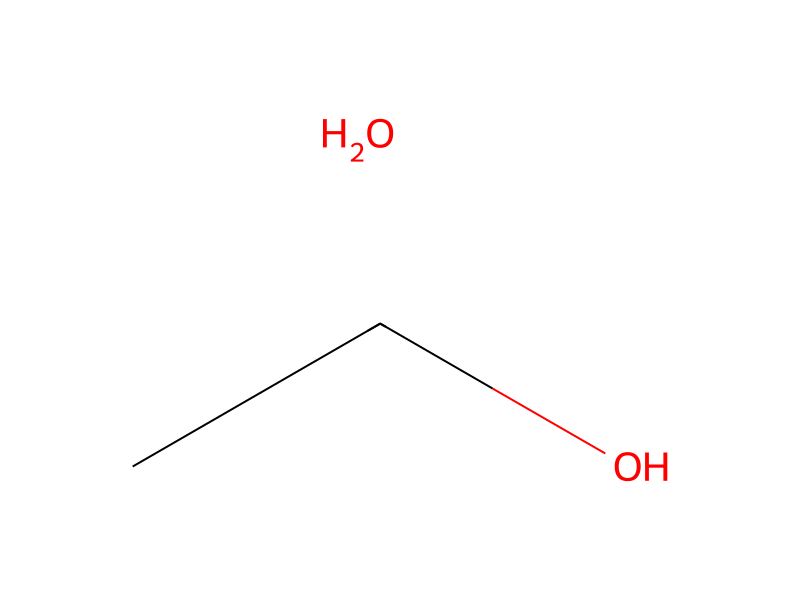
5-bromo-4-methylpyridine-2,3-diamine (0.21 g, 1 mmol) was dissolved in a mixture of EtOH—H2O; to this was added aqueous glyoxal 40% (0.2 ml, 4 mmol) and the resulting mixture was refluxed for 1 h. Upon cooling to room temperature, water was then added. The product was separated, filtered and washed with excess water yielded 7-bromo-8-methylpyrido[2,3-b]pyrazine as a sufficiently enough pure material (0.21 g) for the next step.
Workup
- temperaturethe resulting mixture was refluxed for 1 h
- customThe product was separated
- filtrationfiltered
- washwashed with excess water
Sources & evidence
- ORD record
- ord-881d54a7c35d41f48d4970e46546bf5f
- Source dataset
- uspto-grants-2014_09
- Patent number
- US08846664B2