Reaction equation

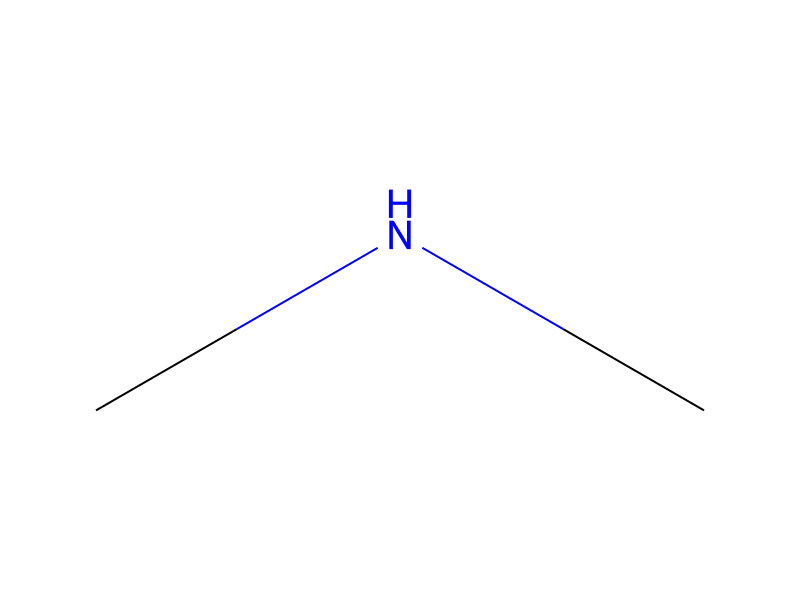
[O:1]1[CH2:27][CH:2]1[CH2:3][O:4][C:5]1[CH:14]=[C:13]2[C:8]([C:9]([C:17]3[C:26]4[C:21](=[CH:22][CH:23]=[CH:24][CH:25]=4)[CH:20]=[CH:19][CH:18]=3)=[CH:10][C:11]([CH3:16])([CH3:15])[O:12]2)=[CH:7][CH:6]=1.[CH3:28][NH:29][CH3:30]>C(O)C>[C:17]1([C:9]2[C:8]3[C:13](=[CH:14][C:5]([O:4][CH2:3][CH:2]([OH:1])[CH2:27][N:29]([CH3:30])[CH3:28])=[CH:6][CH:7]=3)[O:12][C:11]([CH3:16])([CH3:15])[CH:10]=2)[C:26]2[C:21](=[CH:22][CH:23]=[CH:24][CH:25]=2)[CH:20]=[CH:19][CH:18]=1Participants
4



Procedure
7-(2,3-Epoxypropoxy)-2,2-dimethyl-4-(1-naphthyl)-2H-chromene (4.4g., 0.012 moles) was dissolved in a solution of dimethylamine in ethanol (28 ml., ~40% solution) and left to stand at room temperature for 48 hours. Removal of solvent gave the title product as an orange oil which was converted to the hydrochloride salt. Recrystallization from acetone gave a white solid (3.13g., 64%) m.p. 185°-187° C.
Workup
- waitleft
- customRemoval of solvent
Sources & evidence
- ORD record
- ord-f3a64d45d9124c0284361a0d00e3d5ca
- Source dataset
- uspto-grants-1978_06
- Patent number
- US04093631
Linked notes
Loading…