HomeMCPSkillsWorkbenchOpenChem
HomeWorkbenchNotificationsMe
llms.txt · skill.md · MCP GuidePrivacy Policy · Terms of Service · Supportv1.8.5
  1. Home
  2. /Reaction

Phosgene → HCID 20028634, compound

HRID 845184
Print

Reaction equation

[Cl:1][C:2]1[C:3]([O:12][C:13]2[C:19]([Cl:20])=[CH:18][C:16]([NH2:17])=[CH:15][C:14]=2[Cl:21])=[N:4][CH:5]=[C:6]([O:8][CH:9]([F:11])[F:10])[CH:7]=1.[C:22](Cl)(Cl)=[O:23]>C1(C)C=CC=CC=1>[Cl:1][C:2]1[C:3]([O:12][C:13]2[C:19]([Cl:20])=[CH:18][C:16]([N:17]=[C:22]=[O:23])=[CH:15][C:14]=2[Cl:21])=[N:4][CH:5]=[C:6]([O:8][CH:9]([F:10])[F:11])[CH:7]=1
ParticipantsConditionsProcedureWorkupSources & evidenceReaction notes

Participants

4

Reactant 2

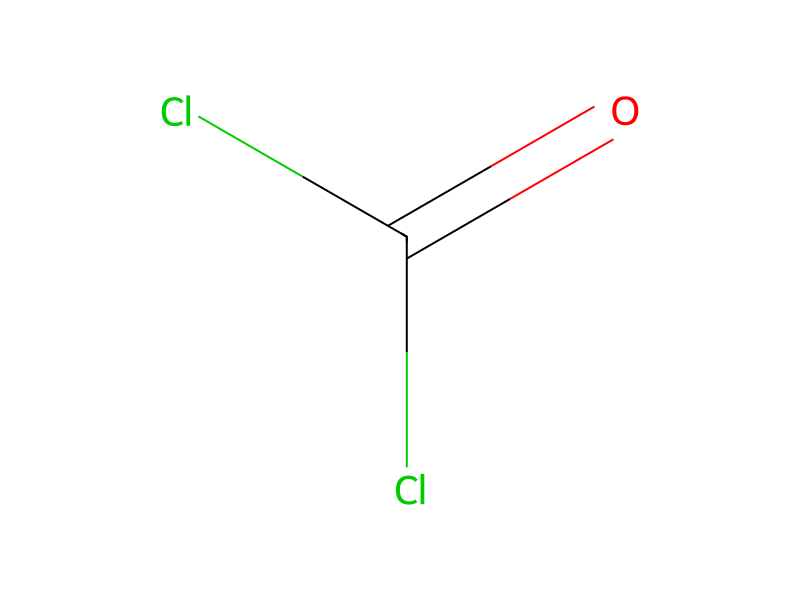
HCID 6371Phosgene2×HCID 200286364-(3-Chloro-5-difluoromethoxy-2-pyridyloxy)-3,5-dichloroaniline

Product 1

HCID 20028634HCID 20028634, compound

Reagents, catalysts & solvents 1

HCID 1140TolueneSolvent

Conditions

Temperature
105 °C

Procedure

2 g (5.8 mmol) of 4-(3-chloro-5-difluoromethoxy-2-pyridyloxy)-3,5-dichloroaniline were dissolved in 25 ml of anhydrous toluene, 2.9 g (29 mmol) of phosgene gas were introduced at 0° C., and the mixture was slowly warmed to 105° C. Excess phosgene was expelled using inert gas, the solvent was concentrated by evaporation, and the residue was dried in a high vacuum.

Workup

  1. concentrationthe solvent was concentrated by evaporation
  2. customthe residue was dried in a high vacuum

Sources & evidence

ORD record
ord-708690ffd10e481492dee07bf931e49c
Source dataset
uspto-grants-1988_07
DOI
10.6084/m9.figshare.5104873.v1
Patent number
US04756739

Reaction notes

On this pageParticipantsConditionsProcedureWorkupSources & evidenceReaction notes