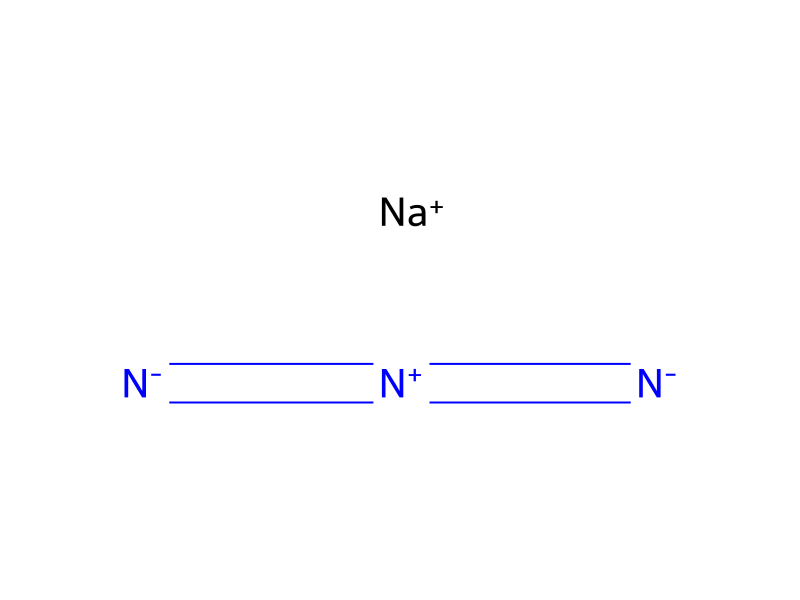
2-(4-fluorobenzoyl)-4-methylpyridine (1.6 g) and sodium azide (2.4 g) were suspended in dimethylsulfoxide (15 ml) under nitrogen atmosphere 90° C., and the mixture was heated with stirring overnight. The mixture was poured into water, and the mixture was extracted with ethyl acetate. The organic layer was washed with water and saturated brine, and dried over anhydrous magnesium sulfate, and then, the solvent was distilled off. The residue was dissolved in tetrahydrofuran (50 ml), and to the solution was added aluminum lithium hydride (0.66 g) under ice-cooling, and the mixture was stirred overnight at room temperature under nitrogen atmosphere. To the solution were added water (0.66 ml), 15% aqueous solution of sodium hydroxide (0.66 ml) and water (1.98 ml) under ice-cooling, the mixture was stirred and dried over anhydrous magnesium sulfate. After filtration, the solvent of the filtrate was distilled off, to give (4-aminophenyl)(4-methylpyridin-2-yl)methanol (1.8 g) as pale yellow crystals.