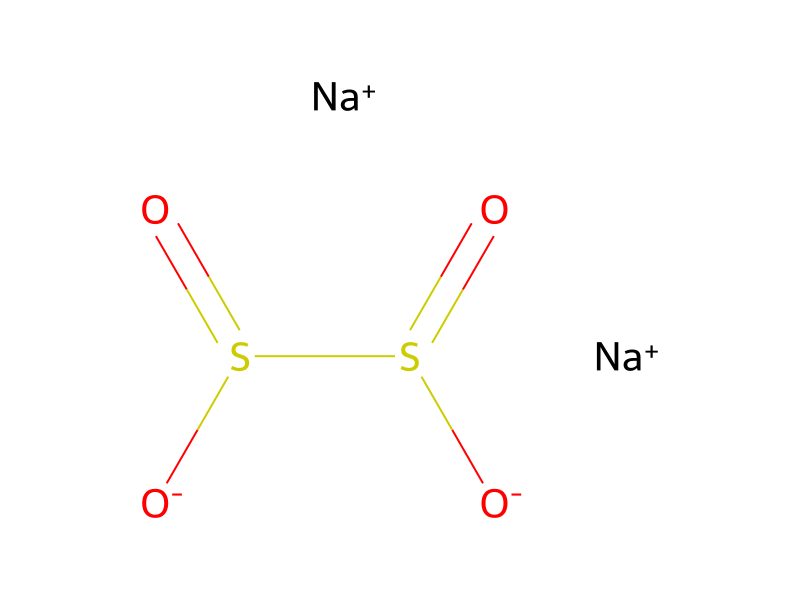
C[O:2][C:3](=[O:24])[CH2:4][C:5]1[CH:10]=[C:9]([Br:11])[C:8]([O:12][C:13]2[CH:18]=[CH:17][C:16]([NH2:19])=[C:15]([N+:20]([O-])=O)[CH:14]=2)=[C:7]([Br:23])[CH:6]=1.S(S([O-])=O)([O-])=O.[Na+].[Na+].[CH2:33](O)C>CO.O>[Br:23][C:7]1[CH:6]=[C:5]([CH2:4][C:3]([OH:2])=[O:24])[CH:10]=[C:9]([Br:11])[C:8]=1[O:12][C:13]1[CH:18]=[CH:17][C:16]2[N:19]=[CH:33][NH:20][C:15]=2[CH:14]=1Methyl[3,5-dibromo-4-(4-amino-3-nitrophenoxy)phenyl]acetate (1 g) was dissolved in methanol (10 mL) and hot solution of sodium dithionite (6.1 g) in water (30 mL) was added. The reaction mixture was refluxed for 26 hours, ethanol (255 mL) was added and the formed precipitate filtered off through a pad of celite. The filtrate was concentrated to a constant volyme of 20 mL to which formic acid (16 mL) was added. After reflux for 4 hours, the reaction mixture was cooled down to room temperature, the formed yellow precipitate filtered off and washed with methanol. Recrystallisation from ethanol gave 0.4 g (42%) of 3,5-dibromo-4-(5-benzimidazolyloxy)phenylacetic acid. 1H-NMR (300 MHz, DMSO-d6): δ 12.55 (br s, 1H), 9.47 (s, 1H), 8.27 (s, 1H), 7.88 (d, J=3.0 Hz, 1H), 7.70 (s, 2H), 6.97 (d, J=9 Hz, 1H), 6.34 (dd, J=8.9 Hz, J=3.1 Hz, 1H), 3.68 (s, 2H).