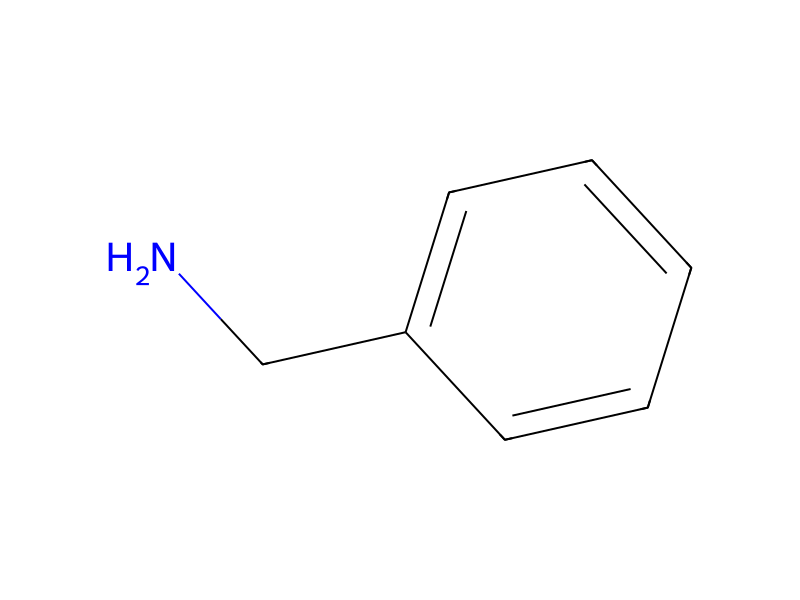
Benzylamine (0.67 g, 6.26 mmol) and glacial acetic acid (0.38 g, 6.33 mmol) were dissolved in dry methanol (30 mL). Paraformaldehyde (1.5 g, 50 mmol) was added and the resulting mixture was brought to reflux under an atmosphere of nitrogen. 4-Selenanone (1.00 g, 6.13 mmol) was then added in one portion which quickly turned the solution yellow. Boiling was continued under nitrogen in the dark for 5 hours. The resulting deep red solution was then allowed to cool to room temperature and was stirred for an additional 18 hours. The methanol was evaporated (aspirator) and the orange residual oil was partitioned between ether (50 mL) and water (50 mL). The ether layer was discarded and the aqueous layer was made basic with KOH (85%, 1.2 g 18.2 mmol). This solution was extracted with ether (5×40 mL). The combined extracts were dried (K2CO3) and evaporated (aspirator) to give an oil which was digested on a steam bath with Skelly B (50 mL). Evaporation gave a light yellow oil which solidified upon standing. This solid was recrystallized (95% ethanol) to give 7-benzyl-3-selena-7-azabicyclo[3.3.1]nonan-9-one (0.78 g, 43%) as white needles: mp 91°-92° C.; IR (KBr) cm-1 1726 (C=O); 1H NMR (DCCl3) δ2.71 [m, 4H, H(1,5), H(6,8)ax], 3.08 [m, 2H, H(6,8)], 3.20 [m, 4H, H(2,4)], 3.57 [s, 2H, H(11-ArCH2)], 7.32 [m, 5H, ArH]; 13C NMR (DCCl3) ppm 25.5 [t, C(2,4)], 46.2 [d, C(1,5)], 59.0 [t, C(6,8)], 61.5[t, C(11-ArCH2)], 127.1 [d, C(4')], 128.2 (d) and 128.6 (d) [C(2',3',5',6')], 138.0 [s, C(1')], 213.8 [s, C(9)]; 15N NMR (DCCl3) ppm 38.31 [N(7)]; 77Se NMR (DCCl3) ppm 84.68 [Se(3)]. A satisfactory elemental analysis proved very difficult for the compound and thus it was converted to the hydroperchlorate salt without further purification. ##STR19##