Reaction equation

[Br:1][C:2]1[CH:9]=[CH:8][CH:7]=[C:6]([Br:10])[C:3]=1[CH:4]=[O:5].[CH:11](O)([OH:14])[CH2:12][CH3:13].C(OC(OCC)OCC)C.[OH-].[Na+]>C(Cl)Cl.[Cl-].[Cl-].[Cl-].[Cl-].[Zr+4]>[Br:1][C:2]1[CH:9]=[CH:8][CH:7]=[C:6]([Br:10])[C:3]=1[CH:4]1[O:14][CH2:11][CH2:12][CH2:13][O:5]1Participants
7

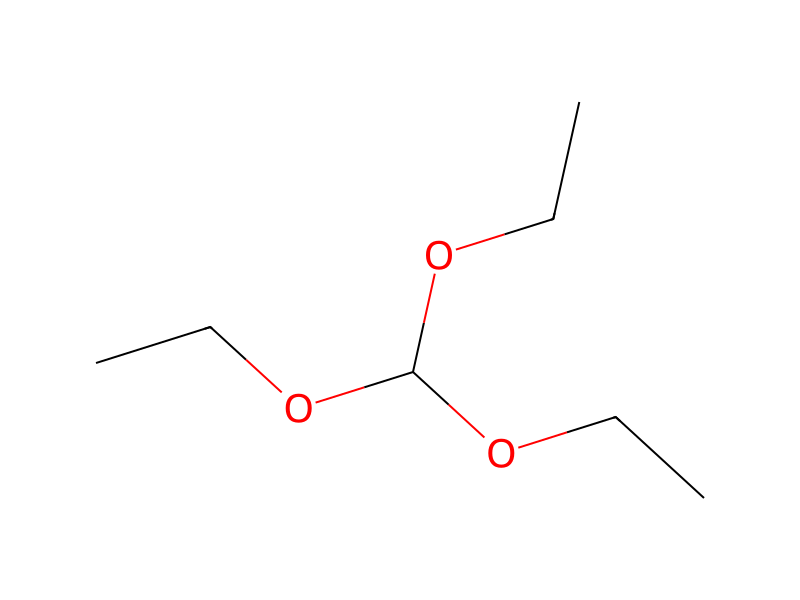



Procedure
2,6-Dibromobenzaldehyde (49) (10.0 g, 37.9 mmol) was dissolved in 160 ml dry CH2Cl2. Propanediol (6.4 ml, 88.5 ml), triethylorthoformate (6.83 ml, 41 mmol) and anhydrous ZrCl4 (1.0 g) were added at ambient temperature and stirred overnight. Then NaOH (50 ml of a 10% solution) was added and stirred for an additional hour. The organic phase was separated, the aqueous phase was extracted with Et2O (2×40 ml). The combined organic phases were washed with water (3×60 ml), dried over MgSO4 and the volatiles were removed in vacuo to afford 12 g (98%) 2-(2,6-Dibromophenyl)-1,3-dioxane (acetal) as a slightly yellow solid.
Workup
- stirringstirred for an additional hour
- customThe organic phase was separated
- extractionthe aqueous phase was extracted with Et2O (2×40 ml)
- washThe combined organic phases were washed with water (3×60 ml)
- dry with materialdried over MgSO4
- customthe volatiles were removed in vacuo
Sources & evidence
- ORD record
- ord-39a49ebe1c9f419c8d447ac9182f1073
- Source dataset
- uspto-grants-2015_03
- Patent number
- US08969624B2
Linked notes
Loading…