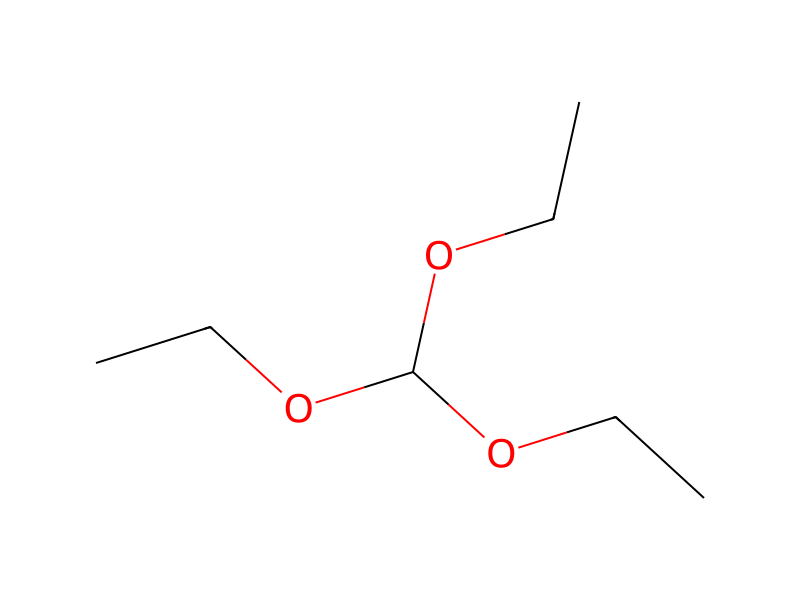
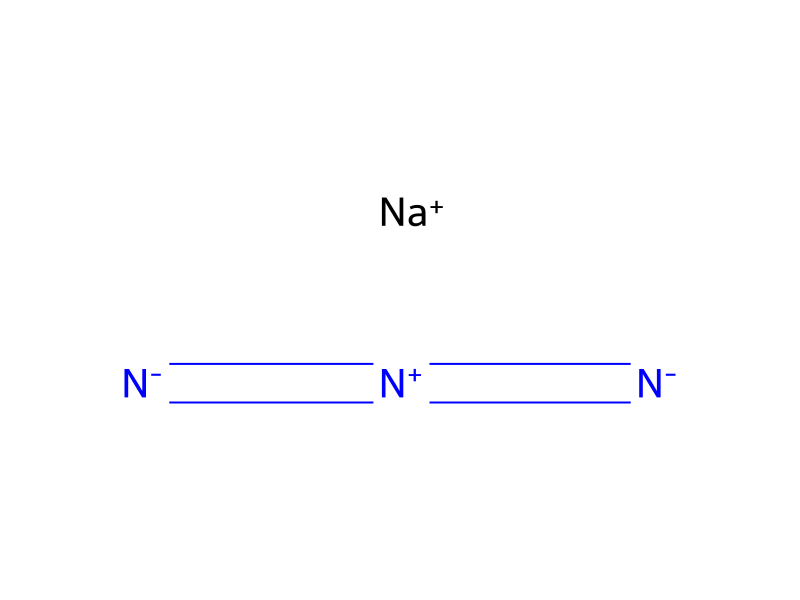
[Br:1][C:2]1[CH:8]=[C:7]([N:9]2[CH2:13][CH2:12][C:11]([C:18]3[CH:23]=[C:22]([Cl:24])[CH:21]=[C:20]([Cl:25])[CH:19]=3)([C:14]([F:17])([F:16])[F:15])[CH2:10]2)[CH:6]=[CH:5][C:3]=1[NH2:4].C(OCC)(OCC)OCC.[N-:36]=[N+:37]=[N-:38].[Na+].[C:40](O)(=O)C>O>[Br:1][C:2]1[CH:8]=[C:7]([N:9]2[CH2:13][CH2:12][C:11]([C:18]3[CH:19]=[C:20]([Cl:25])[CH:21]=[C:22]([Cl:24])[CH:23]=3)([C:14]([F:15])([F:16])[F:17])[CH2:10]2)[CH:6]=[CH:5][C:3]=1[N:4]1[CH:40]=[N:38][N:37]=[N:36]1To the mixture of 2-bromo-4-[3-(3,5-dichlorophenyl)-3-(trifluoromethyl)-pyrrolidin-1-yl]aniline (0.60 g), triethyl orthoformate (0.98 g) and sodium azide (0.38 g) was added acetic acid (1.1 g), and the mixture was then heated with stifling at 100° C. for 4 hours. The mixture was cooled to room temperature and then poured into water, which was then extracted twice with ethyl acetate. The organic layer was combined, which was then washed with water and dried over anhydrous magnesium sulfate. After the drying agent was filtered off, the solvent was distilled away under the reduced pressure, and the residue was then purified by silica gel chromatography to yield 1-{2-bromo-4-[3-(3,5-dichlorophenyl)-3-(trifluoromethyl)-pyrrolidin-1-yl]phenyl}-1H-tetrazole (0.52 g). m.p. 193-194° C.