Reaction equation

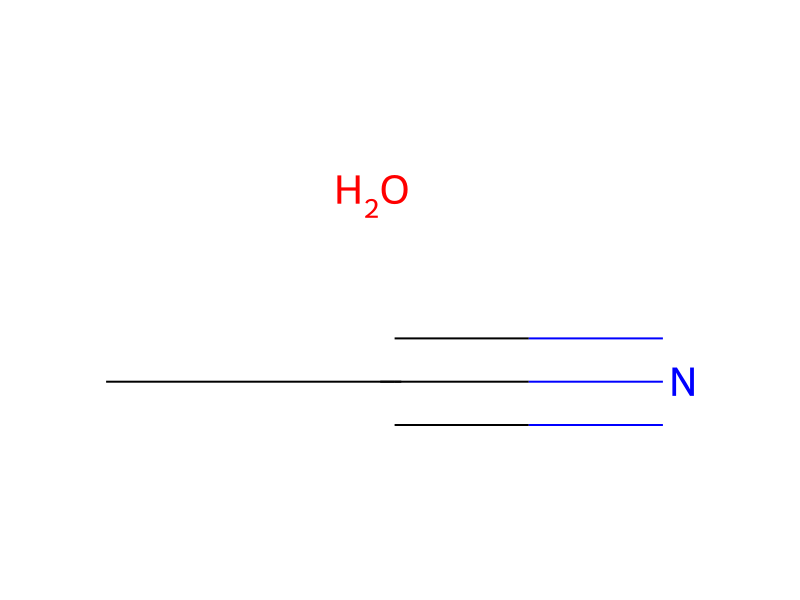
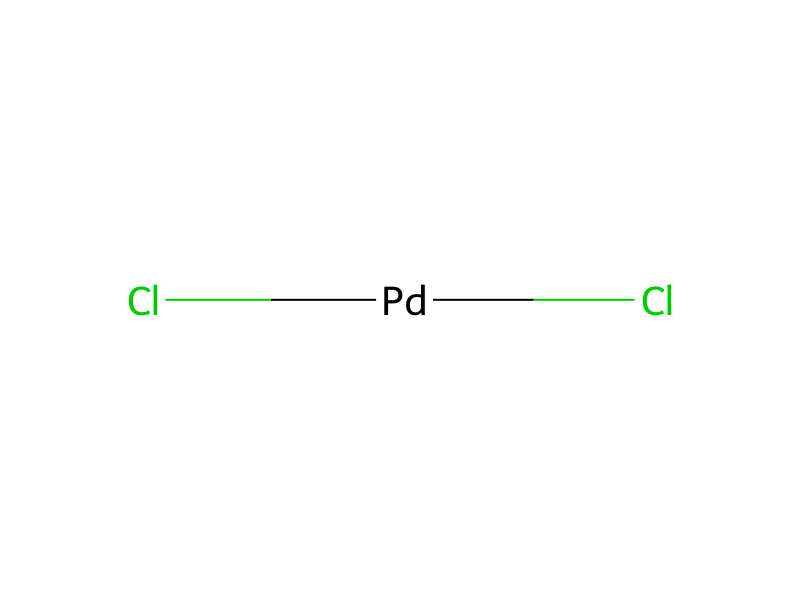
Cl[C:2]1[C:3](=O)[N:4]([CH:9]([C:11]2[CH:16]=[CH:15][CH:14]=[CH:13][CH:12]=2)[CH3:10])[N:5]=[CH:6][C:7]=1Cl.CC1(C)C(C)(C)OB([C:26]2[CH:33]=[CH:32][CH:31]=[CH:30][C:27]=2[C:28]#[N:29])O1.[C:35]([O-:38])([O-])=O.[Na+].[Na+].O.[C:42](#[N:44])[CH3:43]>Cl[Pd]Cl>[O:38]=[C:35]1[N:4]([CH:9]([C:11]2[CH:16]=[CH:15][CH:14]=[CH:13][CH:12]=2)[CH3:10])[N:5]=[CH:6][C:7]([C:30]2[CH:31]=[CH:32][CH:33]=[CH:26][C:27]=2[C:28]#[N:29])=[C:2]1[C:3]1[CH:6]=[CH:7][CH:2]=[CH:3][C:43]=1[C:42]#[N:44]Participants
6
Reactant 4



Product 1

Reagents, catalysts & solvents 1
Procedure
Compound 4 is prepared from the intermediate 1a and 2-(4,4,5,5-tetramethyl-1,3,2-dioxaborolan-2-yl)benzonitrile according to step 1 of the method of synthesis using PdCl2/2PPh3, Na2CO3 and a mixture of water/acetonitrile: 1/1. The minor product formed corresponds to compound 4 (yield: 3.4%).
Sources & evidence
- ORD record
- ord-df0cc13c5705491984ec678e116cfc26
- Source dataset
- uspto-grants-2015_03
- Patent number
- US08993569B2
Linked notes
Loading…