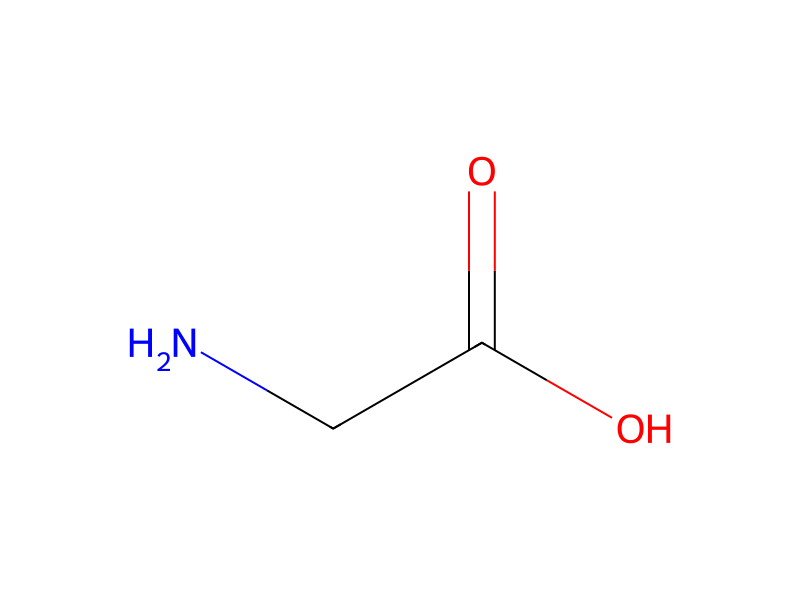
Glycine → HCID 131717430, compound
Reaction equation

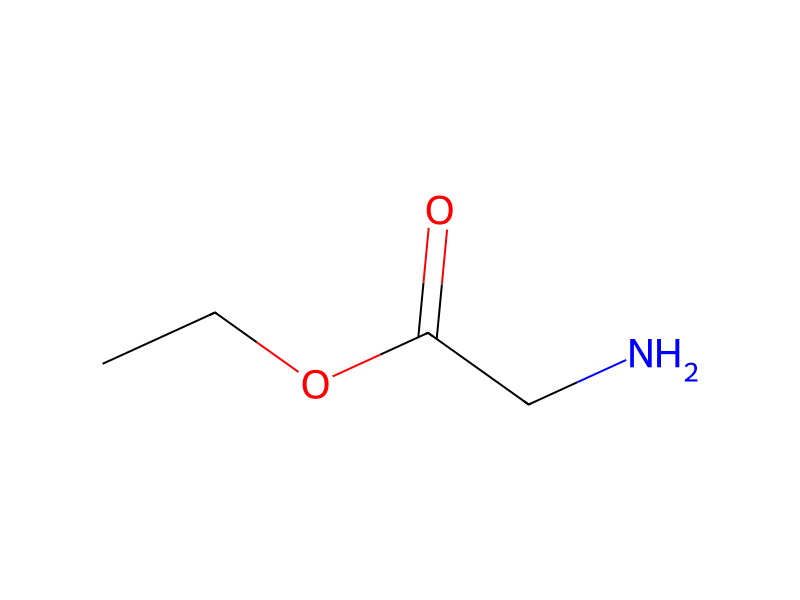
Cl.N1C=C[CH:5]=[CH:4][C:3]=1[NH:8][CH2:9][C:10]([OH:12])=O.[NH2:13][CH2:14][C:15]([OH:17])=O.N1C=CC=CC=1NCC(O)=[O:27].C1(N=C=NC2CCCCC2)CCCCC1.[CH2:44]([O:46][C:47](=[O:50])[CH2:48][NH2:49])[CH3:45]>ClCCl>[NH:8]1[C:3](=[O:27])[CH2:4][CH2:5][C@H:9]1[C:10]([NH:13][CH2:14][C:15]([NH:49][CH2:48][C:47]([O:46][CH2:44][CH3:45])=[O:50])=[O:17])=[O:12]Participants
7