Reaction equation

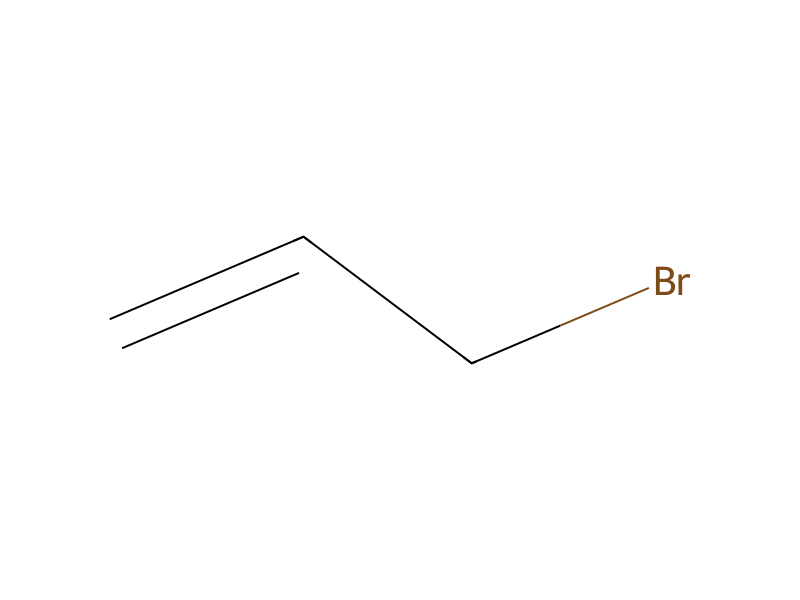
O[C:2]1[CH:10]=C(O)C=C[C:3]=1C(N)=O.[OH:12][C:13]1[CH:22]=[C:21]([OH:23])[CH:20]=[CH:19][C:14]=1[C:15]([O:17][CH3:18])=[O:16].C(Br)C=C>>[OH:12][C:13]1[CH:22]=[C:21]([O:23][CH2:10][CH:2]=[CH2:3])[CH:20]=[CH:19][C:14]=1[C:15]([O:17][CH3:18])=[O:16]Participants


Procedure
Scheme B shows methods for the preparation of the 2,4-dihydroxybenzamide starting materials. Methyl 2,4-dihydroxybenzoate (X) is reacted with allyl bromide to give methyl 2-hydroxy-4-allyloxybenzoate (XI) which is heated to produce methyl 2,4-dihydroxy-3-(2-propenyl) benzoate (XII). Reaction of XII with an appropriate amine in the presence of ammonium chloride gives the 2,4-dihydroxy-3-(2-propenyl)benzamide (XIII) which can be hydrogenated to the 3-propyl compound (XIV). Alternatively XII may be reacted with methylene iodide and triisobutylaluminum to give methyl 3-(cyclopropylmethyl)-2,4-dihydroxybenzoate (XV) which is then reacted with an appropriate amine in the presence of ammonium chloride to give the 2-(cyclopropylmethyl)-2,4-dihydroxybenzamide (XVI). ##STR7##
Sources & evidence
- ORD record
- ord-eb05e4a12def44e59cd325225eadbd7d
- Source dataset
- uspto-grants-1992_06
- Patent number
- US05124350
Linked notes
Loading…