HomeMCPWorkbenchSkills
HomeWorkbenchNotificationsMe
llms.txt · MCP GuidePrivacy Policy · Terms of Service · Supportv1.8.3
  1. Home
  2. /Reaction

Acetic Acid → N-(2,4-difluorobenzyl)-N-heptylamine

HRID 899867
Print

Reaction equation

HRID 899867 reaction equation
[CH2:1]([NH2:8])[CH2:2][CH2:3][CH2:4][CH2:5][CH2:6][CH3:7].[F:9][C:10]1[CH:17]=[C:16]([F:18])[CH:15]=[CH:14][C:11]=1[CH:12]=O.C(O)(=O)C.[BH4-]>CO.C(OC)(OC)OC.C(Cl)Cl>[F:9][C:10]1[CH:17]=[C:16]([F:18])[CH:15]=[CH:14][C:11]=1[CH2:12][NH:8][CH2:1][CH2:2][CH2:3][CH2:4][CH2:5][CH2:6][CH3:7]
ParticipantsProcedureWorkupSources & evidenceReaction notes

Participants

8

Reactant 4

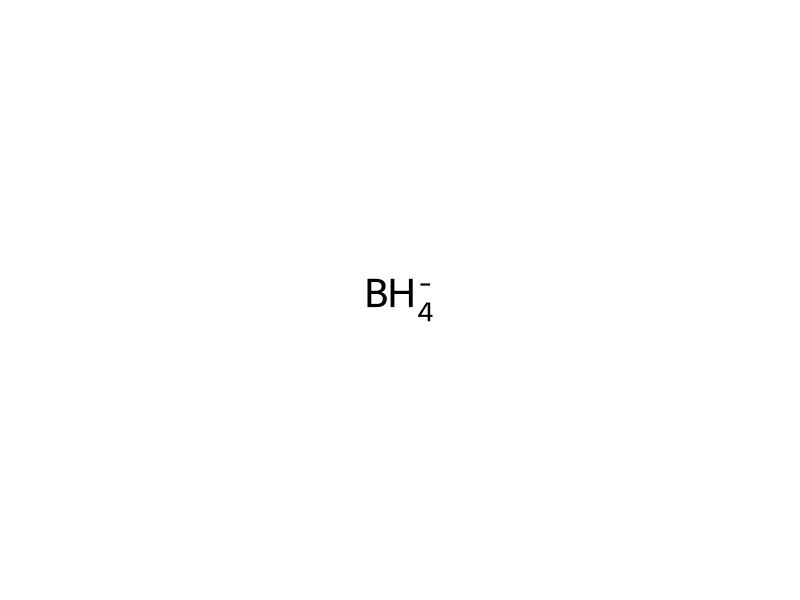
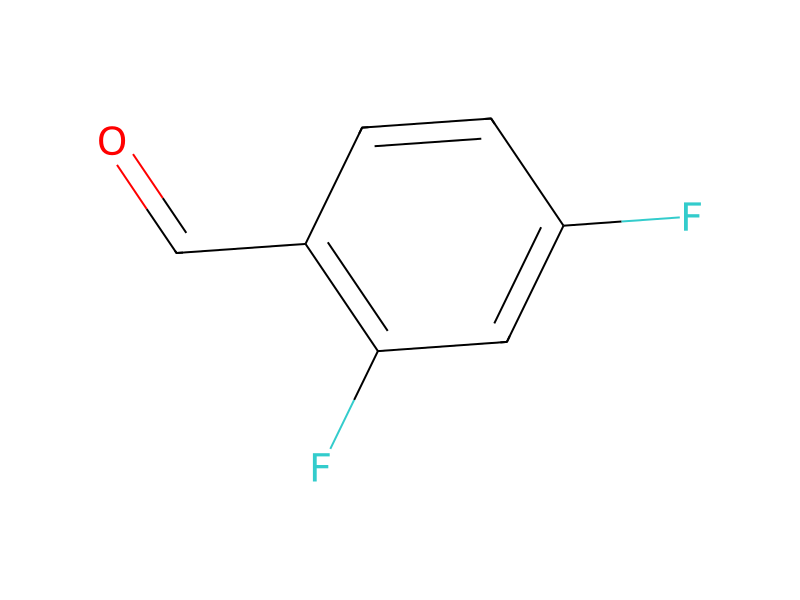
HCID 176Acetic AcidHCID 81271-HeptanamineHCID 28123Borohydride2×HCID 737702,4-Difluorobenzaldehyde

Product 1

HCID 60663854N-(2,4-difluorobenzyl)-N-heptylamineYield 74%

Reagents, catalysts & solvents 3

HCID 887
Methanol
Solvent
HCID 6344DichloromethaneSolvent
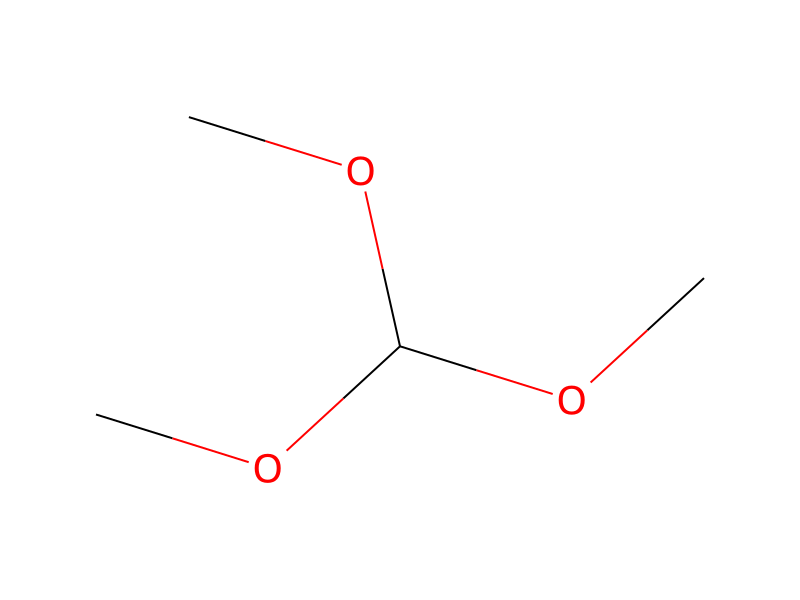
HCID 9005Trimethyl orthoformateSolvent

Procedure

Heptylamine (345.6 mg, 3 mmol) was added into 2,4-difluorobenzaldehyde (440.5 mg, 3.1 mmol) in MeOH (3 ml) and trimethyl orthoformate (2 ml), followed by acetic acid (0.05 ml). The mixture was in microwave oven (Smith Synthesizer) at 150° C. for 10 minutes. DCM (3 ml) was then added and followed borohydride on polymer support (1.2 g, 3 mmol). The mixture was shaken overnight and more of borohydride on polymer support (1.2 g) was added. The mixture was shaken over weekend and then filtered and evaporated. The residue was put on a column ((ISOLUTE®PRS, 10 g) and eluted with MeCN, MeOH and then MeOH(NH3 sat.). 536 mg of oil product was obtained, yield 72%.

Workup

  1. customThe mixture was in microwave oven
  2. additionwas added
  3. filtrationfiltered
  4. customevaporated
  5. washeluted with MeCN, MeOH

Sources & evidence

ORD record
ord-e82e9c9bc741485e97961eef72c74da4
Source dataset
uspto-grants-2008_04
DOI
10.6084/m9.figshare.5104873.v1
Patent number
US07355069B2

Reaction notes

On this pageParticipantsProcedureWorkupSources & evidenceReaction notes