HomeMCPWorkbenchSkills
HomeWorkbenchNotificationsMe
llms.txt · MCP GuidePrivacy Policy · Terms of Service · Supportv1.8.3
  1. Home
  2. /Reaction

Vinyl Acetate → Triethylene glycol monovinyl ether monoacetate

HRID 916918
Print

Reaction equation

HRID 916918 reaction equation
[C:1]([O-:4])(=[O:3])[CH3:2].[Na+].C(O)COCCOCCO.C(OC=C)(=O)C.[CH:22]([O:24][CH2:25][CH2:26][O:27][CH2:28][CH2:29][O:30][CH2:31][CH2:32]OC=C)=[CH2:23].C(OCCOCCOCCO)=C>C1(C)C=CC=CC=1>[C:1]([O:4][CH2:32][CH2:31][O:30][CH2:29][CH2:28][O:27][CH2:26][CH2:25][O:24][CH:22]=[CH2:23])(=[O:3])[CH3:2]
ParticipantsConditionsProcedureWorkupSources & evidenceReaction notes

Participants

7

Reactant 5

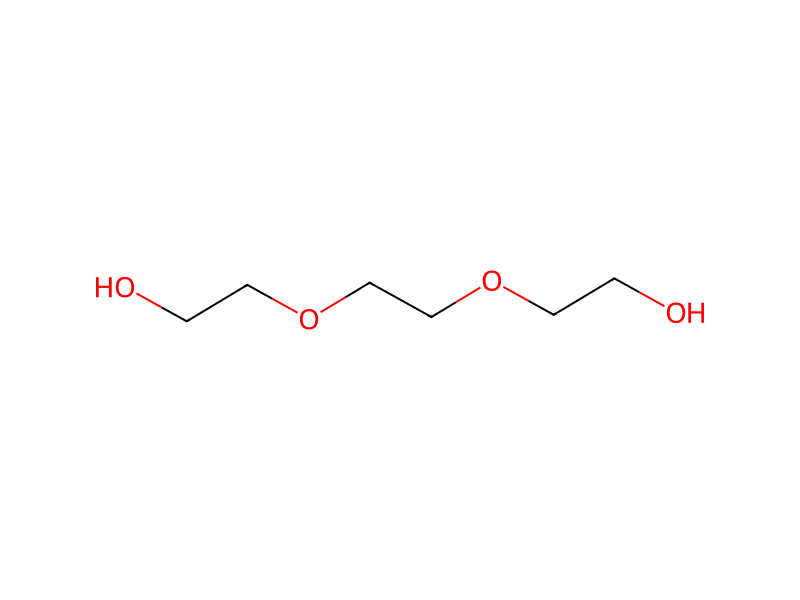
HCID 7904Vinyl AcetateHCID 8172Triethylene GlycolHCID 517045Sodium AcetateHCID 575880Ethanol, 2-(2-(2-(ethenyloxy)ethoxy)ethoxy)-HCID 3033992Triethylene glycol divinyl ether

Product 1

HCID 22034547Triethylene glycol monovinyl ether monoacetate

Reagents, catalysts & solvents 1

HCID 1140TolueneSolvent

Conditions

Temperature
100 °C

Procedure

To a mixture of di-μ-chlorobis(1,5-cyclooctadiene)diiridium(I) [Ir(cod)Cl]2 (0.01 mmol) and sodium acetate (1.2 mmol) in toluene (2.0 ml),triethylene glycol (1 mmol) and vinyl acetate (4 mmol) were added, followed by stirring at 100° C. in an atmosphere of argon gas for 6 hours. The reaction mixture was analyzed by gas chromatography to find that triethylene glycol divinyl ether, triethylene glycol monovinyl ether, and triethylene glycol monovinyl ether monoacetate were produced in yields of 63%, 3%, and 18%, respectively, with a conversion from triethylene glycol of 100%.

Workup

  1. additionwere added

Sources & evidence

ORD record
ord-1d5810fe818a4bc79002725ea7c7a0d3
Source dataset
uspto-grants-2007_09
DOI
10.6084/m9.figshare.5104873.v1
Patent number
US07271297B2

Reaction notes

On this pageParticipantsConditionsProcedureWorkupSources & evidenceReaction notes
