Reaction equation

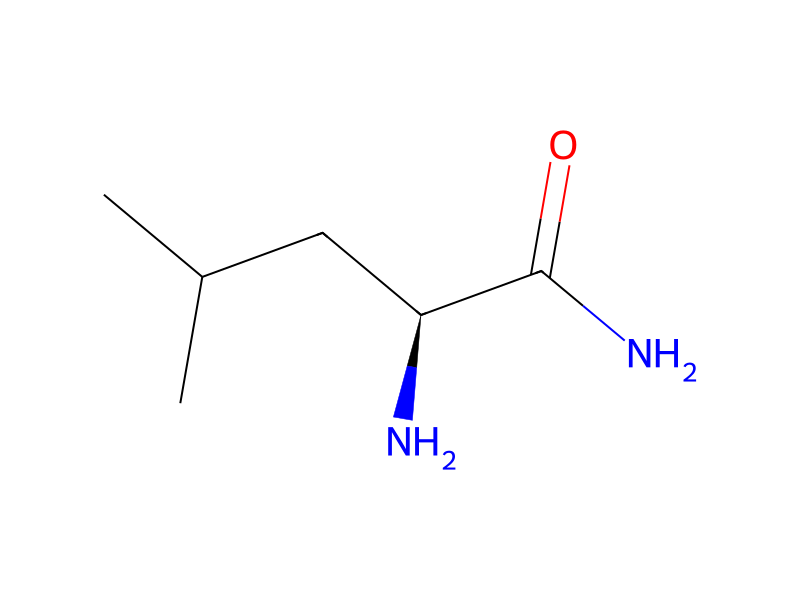
[Cl:1][C:2]1[CH:3]=[C:4]([C:8]2[N:13]=[C:12]([C:14]([OH:16])=O)[CH:11]=[CH:10][C:9]=2[N:17]2[CH2:20][C:19]([F:22])([F:21])[CH2:18]2)[CH:5]=[CH:6][CH:7]=1.[NH2:23][C@@H:24]([CH2:28][CH:29]([CH3:31])[CH3:30])[C:25]([NH2:27])=[O:26]>>[C:25]([C@@H:24]([NH:23][C:14]([C:12]1[CH:11]=[CH:10][C:9]([N:17]2[CH2:20][C:19]([F:21])([F:22])[CH2:18]2)=[C:8]([C:4]2[CH:5]=[CH:6][CH:7]=[C:2]([Cl:1])[CH:3]=2)[N:13]=1)=[O:16])[CH2:28][CH:29]([CH3:31])[CH3:30])(=[O:26])[NH2:27]Participants
3


Procedure
The title compound was synthesized in analogy to Example 1, using 6-(3-chloro-phenyl)-5-(3,3-difluoro-azetidin-1-yl)-pyridine-2-carboxylic acid and (2S)-2-amino-4-methyl-pentanamide (CAN 687-51-4) as starting materials, MS (EI): m/e=437.2 [M+H]+.
Sources & evidence
- ORD record
- ord-438131518bc048908696efbbae33aea2
- Source dataset
- uspto-grants-2016_03
- Patent number
- US09290451B2
Linked notes
Loading…