Reaction equation

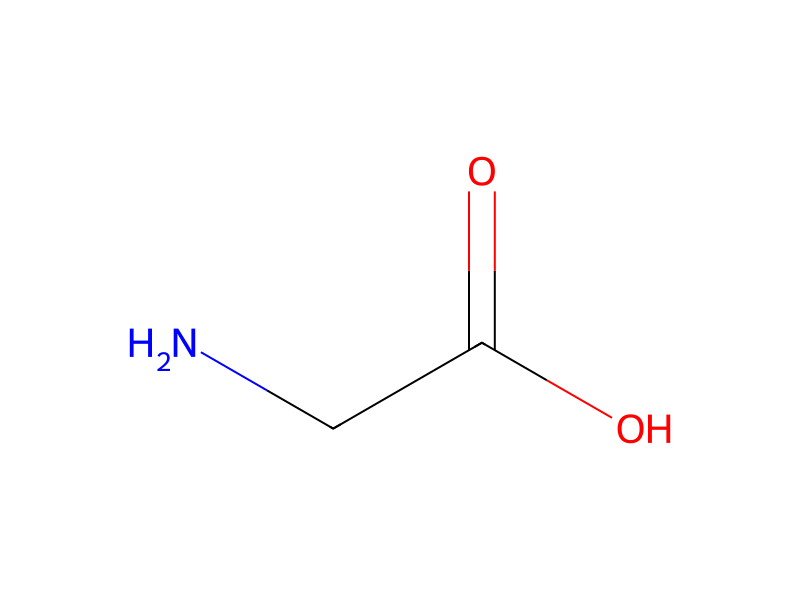
[C:1]([Cl:14])(=[O:13])[CH2:2][CH2:3][CH2:4][CH2:5][CH2:6][CH2:7][CH2:8][CH2:9][CH2:10][CH2:11][CH3:12].[NH2:15][CH2:16][C:17]([OH:19])=[O:18]>>[C:1]([Cl:14])(=[O:13])[CH2:2][CH2:3][CH2:4][CH2:5][CH2:6][CH2:7][CH2:8][CH2:9][CH2:10][CH2:11][CH3:12].[NH2:15][CH2:16][C:17]([OH:19])=[O:18].[C:1]([NH:15][CH2:16][C:17]([OH:19])=[O:18])(=[O:13])[CH2:2][CH2:3][CH2:4][CH2:5][CH2:6][CH2:7][CH2:8][CH2:9][CH2:10][CH2:11][CH3:12]Participants
5


Procedure
N-Lauroylglycine was prepared by reaction of lauroyl chloride with glycine according to the procedure described in Example I. From 109.4 g (0.500 mol) of lauroyl chloride and 37.6 g (0.500 mol) of glycine was obtained 120.5 g (94%) of N-lauroylglycine, mp 110°-118° C., lit mp 118°-119° C. [E. Jungerman, J. F. Gerecht, and I. J. Krems, J. Amer. Chem. Soc. 78, 172 (1956)].
Sources & evidence
- ORD record
- ord-05ea4a946d69492d8f0906d75b52267d
- Source dataset
- uspto-grants-1987_01
- Patent number
- US04634551
Linked notes
Loading…