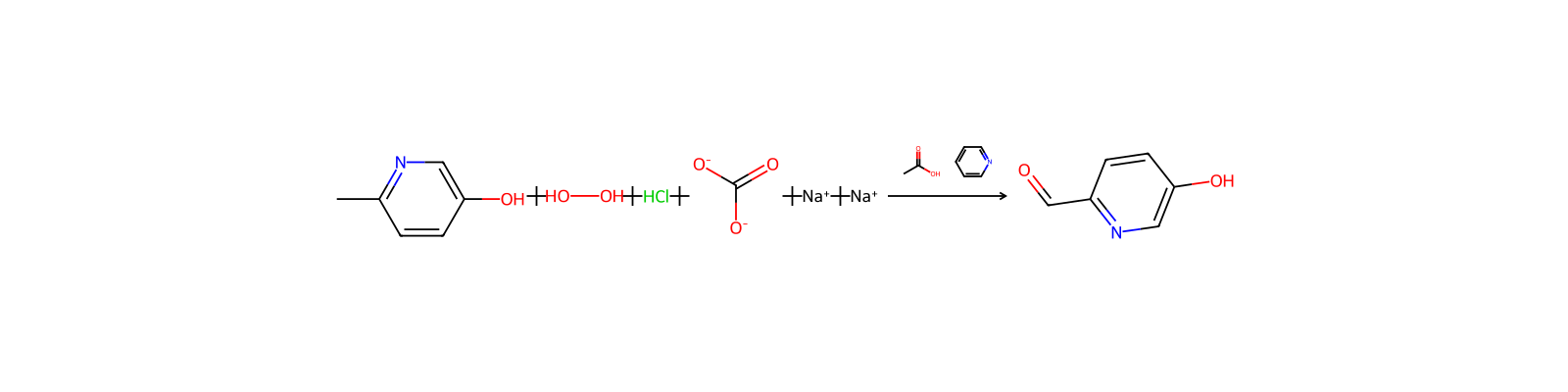

1332-57-6O=C([O-])[O-].[Na+].[Na+]CDBYLPFSWZWCQE-UHFFFAOYSA-LSodium carbonate is an organic sodium salt and a carbonate salt.
1332-57-6、497-19-8、7542-12-3DTXSID1029621CHEMBL186314CHEBI:29377Cosmetic ingredients (Sodium Carbonate) -> CIR (Cosmetic Ingredient Review)
Bulking; Buffering
Agrochemicals -> Pesticide active substances
Active substance -> EU Pesticides database: Not approved
2.54 g/cu cm
Odorless, small crystals or crystalline powder; alkaline taste. Stable at ordinary temperatures and atmospheric conditions; dries out somewhat in warm, dry air above 50 °C; becomes anhydrous at 100 °C. Density: 2.25; also reported at 1.55. Soluble in 3 parts water, 1.8 parts boiling water, 7 parts glycerol. Insoluble in alcohol. /Sodium carbonate monohydrate/
Transparent crystals; readily effloresces on exposure to air; density 1.46; MP 34 °C; soluble in 2 parts cold, 0.25 parts boiling water, in glycerol; insoluble in alcohol; aqueous solution is strongly alkaline /Sodium carbonate decahydrate/
安全情報は参考情報です。供給元の安全データシート(SDS)、適用法令、専門家による評価に代わるものではありません。
Warning
H319: Causes serious eye irritation [Warning Serious eye damage/eye irritation]
P264+P265, P280, P305+P351+P338, and P337+P317 (click each P-code to see the statement)
This chemical does not meet GHS hazard criteria for 0.2% (19 of 8784) of reports.
Warning
H319 (99.8%): Causes serious eye irritation [Warning Serious eye damage/eye irritation]
Chemical: Carbonic acid, disodium salt
Regulation (EC) No 1831/2003 (amended)
Carbonic acid sodium salt (1:2) is listed on the EPA's Chemical Data Reporting (CDR) system. Manufacturers and importers of Carbonic acid sodium salt (1:2) are required to report information about their production and use of this chemical to the EPA under the Toxic Substances Control Act (TSCA). (40 eCFR Part 711)
2004/129/EC
REACH registered substance: Sodium carbonate (EC: 207-838-8)
Carbonic acid, sodium salt: Does not have an individual approval but may be used as a component in a product covered by a group standard. It is not approved for use as a chemical in its own right.
Occurs naturally as the hydrate (thermonatrite) and the decahydrate (natron or natrite); Technical material referred to as soda ash (approximately 99% pure); A skin irritant; Overexposure to dust or vapor causes mucous membrane irritation, coughing, and shortness of breath (chronic overexposure may cause nasal septum perforation); The monohydrate (CAS# 5968-11-6) and decahydrate (CAS# 6132-02-1) are also commercial products; [Merck Index] Skin irritation is none to mild; Dust or concentrated solutions are moderate to severe eye irritants; Cases of nasal septal perforation have been reported in men with continuous exposure to soda ash dust. [CHEMINFO] An alkaline corrosive agent used as detergent in dishwashers; [Olson, p. 214] A skin, eye, and respiratory tract irritant; Prolonged or repeated exposure may cause perforation of the nasal septum; [ICSC] Acceptable daily intake (ADI) as food additive not limited; [JECFA] A mild skin and severe eye irritant; [Sigma-Aldrich MSDS] See Sodium carbonate decahydrate and Sodium carbonate monohydrate.
Alkalizing buffering action: Sodium bicarbonate is an alkalinizing agent that dissociates to provide bicarbonate ion. Bicarbonate in excess of that needed to buffer hydrogen ions causes systemic alkalinization and, when excreted, urine alkalinization as well. Oral antacid action: Taken orally, sodium bicarbonate neutralizes stomach acid by the above mechanism.
Carbon dioxide from the tissues diffuses rapidly into red blood cells, where it is hydrated with water to form carbonic acid. This reaction is accelerated by carbonic anhydrase, an enzyme present in high concentrations in red blood cells. The carbonic acid formed dissociates into bicarbonate and hydrogen ions. Most of the bicarbonate ions diffuse into the plasma. Since the ratio of H2CO3 to dissolved CO2 is constant at equilibrium, pH may be expressed in terms of bicarbonate ion concentration and partial pressure of CO2 by means of the Henderson-Hasselbach equation: pH = pk + log [HCO3-]/aPCO2
The uptake of sodium, via exposure to sodium carbonate, is much less than the uptake of sodium via food. Therefore, sodium carbonate is not expected to be systemically available in the body. Furthermore, an oral uptake of sodium carbonate will result in a neutralization in the stomach due to the gastric acid.
Filtered and reabsorbed by the kidney; less than 1% of filtered bicarbonate is excreted.
Distribution occurs naturally and is confined to the systemic circulation.
The major extracellular buffer in the blood and the interstitial fluid of vertebrates is the bicarbonate buffer system ... . Carbon dioxide from the tissues diffuses rapidly into red blood cells, where it is hydrated with water to form carbonic acid. This reaction is accelerated by carbonic anhydrase, an enzyme present in high concentrations in red blood cells. The carbonic acid formed dissociates into bicarbonate and hydrogen ions. Most of the bicarbonate ions diffuse into the plasma. Since the ratio of H2CO3 to dissolved CO2 is constant at equilibrium, pH may be expressed in terms of bicarbonate ion concentration and partial pressure of CO2 by means of the Henderson-Hasselbach equation: pH = pk + log [HCO3-]/aPCO2. The blood plasma of /humans/ normally has a pH of 7.40. Should the pH fall below 7.0 or rise above 7.8, irreversible damage may occur. Compensatory mechanisms for acid-base disturbances function to alter the ratio of HCO3 - to PCO2 , returning the pH of the blood to normal. ... The uptake of sodium, via exposure to sodium carbonate, is much less than the uptake of sodium via food. Therefore, sodium carbonate is not expected to be systemically available in the body. Furthermore ... an oral uptake of sodium carbonate will result in a neutralization in the stomach due to the gastric acid.
読み込み中…
Hexagonal crystals; density: 4.7 g/cu cm; Mohs hardness 4 /Trona/
Bulk density: 0.59-1.04 g/mL
2.5 g/cm³
Grayish-white powder or lumps containing up to 99% sodium carbonate
White hygroscopic powder
White ... small crystals or monoclinic powder
Freely soluble in water. Insoluble in ethanol
In water, 30.7 g/100 g water at 25 °C
Solubility in water at 0, 10, 20 and 30 °C is 6, 8.5, 17 and 28 wt %, respectively.
Soluble in water
Sparingly soluble in ethanol; insoluble in acetone
For more Solubility (Complete) data for Sodium carbonate (6 total), please visit the HSDB record page.
FDA approved drugs -> Active ingredient
Substance added directly to human food affirmed as generally recognized as safe (GRAS).
Sodium carbonate used as a general purpose food additive in animal drugs, feeds, and related products is generally recognized as safe when used in accordance with good manufacturing or feeding practice.
Drug products containing certain active ingredients offered over-the-counter (OTC) for certain uses. A number of active ingredients have been present in OTC drug products for various uses, as described below. However, based on evidence currently available, there are inadequate data to establish general recognition of the safety and effectiveness of these ingredients for the specified uses: sodium carbonate is included in anticaries drug products.
Drug products containing certain active ingredients offered over-the-counter (OTC) for certain uses. A number of active ingredients have been present in OTC drug products for various uses, as described below. However, based on evidence currently available, there are inadequate data to establish general recognition of the safety and effectiveness of these ingredients for the specified uses: sodium carbonate is included in digestive aid drug products.
OECD; Screening Information Data Set (SIDS) Inital Assessment Report for SIDS Initial Assessment Meeting (SIAM) 15, Sodium carbonate (497-19-8) (October 2002). This OECD Initial Assessment is part of a series of OECD SIDS documents published by UNEP Chemicals to facilitate the access to information needed for health and environmental risk assessments of chemicals.[Available from, as of October 23, 2017: http://www.inchem.org/pages/sids.html]
USEPA; Office of Prevention, Pesticides and Toxic Substances. Reregistration Eligibility Decision for Sodium Carbonate; Weak Mineral Bases. EPA 739-R-06-001 (January 2006). The RED summarizes the risk assessment conclusions and outlines any risk reduction measures necessary for the pesticide to continue to be registered in the USA.[Available from; as of October 11, 2017: http://www.epa.gov/pesticides/reregistration/status.htm]
An exemption from the requirement of a tolerance is established for residues of sodium carbonate.
The Agency has completed its assessment of the dietary, residential, occupational and ecological risks associated with the use of pesticide products containing the active ingredient sodium carbonate. Based on a review of the data and other available information for the active ingredient, sodium carbonate the Agency has sufficient information on the human health and ecological effects of sodium carbonate to make decisions as part of the tolerance reassessment process under FFDCA and reregistration process under FIFRA, as amended by FQPA. The Agency has determined that sodium carbonate containing products are eligible for reregistration.
As the federal pesticide law FIFRA directs, EPA is conducting a comprehensive review of older pesticides to consider their health and environmental effects and make decisions about their continued use. Under this pesticide reregistration program, EPA examines newer health and safety data for pesticide active ingredients initially registered before November 1, 1984, and determines whether the use of the pesticide does not pose unreasonable risk in accordance to newer safety standards, such as those described in the Food Quality Protection Act of 1996. Pesticides for which EPA had not issued Registration Standards prior to the effective date of FIFRA '88 were divided into three lists based upon their potential for human exposure and other factors, with List B containing pesticides of greater concern than those on List C, and with List C containing pesticides of greater concern than those on List D. Sodium carbonate is found on List D. Case No: 4066; Pesticide type: fungicide, herbicide, antimicrobial; Case Status: None of the active ingredients in the case are being supported for reregistration by their registrants. All are unsupported, or some are unsupported and some are canceled. Cases described as "unsupported" generally are being processed for cancelation.; Active ingredient (AI): sodium carbonate; AI Status: Registrants of the pesticide have not made or honored a commitment to seek reregistration, conduct the necessary studies, or pay the requisite fees, or they have asked EPA to cancel their product registrations. Unless some other interested party supports them, products containing the pesticide will be canceled.
The solution in water is a medium strong base. Reacts violently with acids. This produces heat and carbon dioxide (see ICSC 0021). Reacts with magnesium, phosphorus pentoxide, calcium hypochlorite and calcium. This generates explosion hazard. Reacts with fluorine. This generates fire hazard. Decomposes on heating above 400 °C . This produces sodium oxides and carbon dioxide (see ICSC 0021).
Eye Irrit. 2 (99.8%)
Eye Irrit. 2 (100%)
Not Classified
Eye damage - category 1
Acute toxicity (Inhalation: Dusts and mists) - Category 4
Acute exposures of dusts or vapors of sodium carbonate may cause irritation of mucous membranes with subsequent coughing and shortness of breath.
A skin and eye irritant.
Fresh air, rest.
Rinse skin with plenty of water or shower.
First rinse with plenty of water for several minutes (remove contact lenses if easily possible), then refer for medical attention.
Rinse mouth. Give one or two glasses of water to drink. Refer for medical attention .
Suitable extinguishing media: Use water spray, alcohol-resistant foam, dry chemical or carbon dioxide.
Advice for firefighters: Wear self-contained breathing apparatus for firefighting if necessary.
Keep container tightly closed in a dry and well-ventilated place. Hygroscopic. Keep in a dry place. Storage class (TRGS 510): Non Combustible Solids.
Calcined soda ash is hygroscopic, gradually taking up moisture and carbon dioxide during transportation and storage. This converts the surface of sodium carbonate to the bicarbonate and leads to a weight increase of up to 17%. Soda ash is therefore best stored in closed, dry areas.
Keep well closed.
It migrates to food from packaging materials.
ACCIDENTAL RELEASE MEASURES: Personal precautions, protective equipment and emergency procedures: Use personal protective equipment. Avoid dust formation. Avoid breathing vapors, mist or gas. Ensure adequate ventilation. Avoid breathing dust. Environmental precautions: Do not let product enter drains. Methods and materials for containment and cleaning up: Pick up and arrange disposal without creating dust. Sweep up and shovel. Keep in suitable, closed containers for disposal.
SRP: Recycle any unused portion of the material for its approved use or return it to the manufacturer or supplier. Ultimate disposal of the chemical must consider: the material's impact on air quality; potential migration in air, soil or water; effects on animal, aquatic and plant life; and conformance with environmental and public health regulations. If it is possible or reasonable use an alternative chemical product with less inherent propensity for occupational harm/injury/toxicity or environmental contamination.
Product Offer: Surplus and non-recyclable solutions to a licensed disposal company. Contact a licensed professional waste disposal service to dispose of this material. Contaminated packaging: Dispose of as unused product.
Personal protection: particulate filter respirator adapted to the airborne concentration of the substance, safety goggles and protective gloves. Sweep spilled substance into covered containers. If appropriate, moisten first to prevent dusting. Wash away remainder with plenty of water.
ACCIDENTAL RELEASE MEASURES: Personal precautions, protective equipment and emergency procedures: Use personal protective equipment. Avoid dust formation. Avoid breathing vapors, mist or gas. Ensure adequate ventilation. Avoid breathing dust. Environmental precautions: Do not let product enter drains.
Precautions for safe handling: Avoid contact with skin and eyes. Avoid formation of dust and aerosols. Further processing of solid materials may result in the formation of combustible dusts. The potential for combustible dust formation should be taken into consideration before additional processing occurs. Provide appropriate exhaust ventilation at places where dust is formed.
Appropriate engineering controls: Handle in accordance with good industrial hygiene and safety practice. Wash hands before breaks and at the end of workday.
Gloves must be inspected prior to use. Use proper glove removal technique (without touching glove's outer surface) to avoid skin contact with this product. Dispose of contaminated gloves after use in accordance with applicable laws and good laboratory practices. Wash and dry hands.
For more Preventive Measures (Complete) data for Sodium carbonate (7 total), please visit the HSDB record page.
LC50; Species: Lepomis macrochirus (Bluegill) length 5.3-7.2 cm, weight 3.5-3.9 g; Conditions: freshwater, static, 18-20 °C, hardness 10 mg/L CaCO3, dissolved oxygen 5-9 mg/L; Concentration: 320000 ug/L for 96 hr /technical/
LC50; Species: Pimephales promelas (Fathead Minnow) age 1-7 days; Conditions: freshwater, static, 25 °C, pH 7.5-9.0, dissolved oxygen >40%; Concentration: 4850000 ug/L for 24 hr (95% confidence interval: 3540000-6160000 ug/L) /technical/
LC50; Species: Pimephales promelas (Fathead Minnow) age 1-7 days; Conditions: freshwater, static, 25 °C, pH 7.5-9.0, dissolved oxygen >40%; Concentration: 2500000 ug/L for 48 hr (95% confidence interval: 950000-4060000 ug/L) /technical/
LC50; Species: Pimephales promelas (Fathead Minnow) age 1-7 days; Conditions: freshwater, static, 25 °C, pH 7.5-9.0, dissolved oxygen >40%; Concentration: 850000 ug/L for 96 hr (95% confidence interval: 310000-1220000 ug/L) /technical/
For more Ecotoxicity Values (Complete) data for Sodium carbonate (8 total), please visit the HSDB record page.
Safe in the present practices of use and concentration. Ingredient, concentration, and use information are available in documents discoverable at https://cir-reports.cir-safety.org
IDENTIFICATION AND USE: Sodium carbonate is a grayish-white powder of lumps containing up to 99% sodium carbonate. Sodium carbonate is used for the production of glass, soaps and detergents and other chemicals and it also used by the 'metals and mining' industry and the 'pulp and paper' industry. Sodium carbonate is not only used by industry but is also used by consumers. It may be used directly in solutions of sodium carbonate for soaking of clothes, dishwashing, floor washing and for degreasing operations but it is also present in a large number of consumer products like cosmetics, soaps, scouring powders, soaking and washing powders. Sodium carbonate is also a food additive. HUMAN STUDIES: Aqueous solutions are strongly alkaline, concentrated solutions tend to produce local necrosis of mucous membranes. An aqueous solution, 50% weight/volume, of sodium carbonate was applied to the intact and abraded skin of human volunteers. The sites were examined at 4, 24, and 48 hr and scored for erythema, edema, and corrosion. The solution produced no erythema and edema. The human skin showed tissue destruction at the abraded sites. Ingestion of large quantities may produce corrosion of GI tract, vomiting, diarrhea, circulatory collapse, death. Dusts of vapors of sodium carbonate may cause irritation of mucous membranes with subsequent coughing and shortness of breath. It is a primary irritant at concentrations below 15% and caustic at concentrations above approximately 15% depending on contact time, areas of exposure, and other factors. ANIMAL STUDIES: An aqueous solution, 50% weight/volume, of sodium carbonate was applied to the intact and abraded skins of rabbits, guinea pigs. The sites were examined at 4, 24, and 48 hr and scored for erythema, edema, and corrosion. The solution produced no erythema and edema. The rabbit skin showed tissue destruction at the abraded sites. Dry, powdered sodium carbonate, as 25% to 75% of a mixture with dry sodium sulfate, applied to eyes of rabbits and monkeys in a systematic study was judged "corrosive" or "harmful" to both species, whether or not followed by irrigation at two minutes after application. However, most monkey eyes exposed to 50% mixture showed little or no persistent injury 21 days after exposure. A repeated dose inhalation study was conducted in male rats exposed to a 2% aqueous sodium carbonate aerosol for 4 hr/day, 5 days/week for 3.5 months. Pulmonary ascorbic acid levels were decreased. Deviations in lungs were found in control and experimental animals but only experimental animals displayed hyperplasia and desquamination of bronchiolar epithelium, and perivascular edema. Other pulmonary changes included thickening of alveolar walls, hyperemia and lymphoid infiltration but these changes were also observed in about 50% of the controls. Aqueous solutions of sodium carbonate were administered daily via oral intubation to pregnant mice at doses ranging from 3.4 to 340 mg/kg bw during days 6-15 of gestation. The test substance produced no unwanted effects. Similar negative results were reported for rats and rabbits for daily doses from 2.45-245 mg/kg bw and 1.79-179 mg/kg bw, respectively. An in vitro mutagenicity test with bacteria was negative. ECOTOXICITY STUDIES: Sodium carbonate at 10 mg/L, reduced oxygen consumption in Caspian Sea shrimp in all of the observation periods, except days 3 and 10, when it was higher than the control. At 100 mg/L, oxygen consumption was higher during 1st 5 days and thereafter reduced gradually. Sodium carbonate is naturally occurring and commonly found in soil and water in the environment suggesting that releasing low levels of sodium carbonate would not be expected to adversely effect wildlife or water resources.
/AQUATIC SPECIES/ The natural habitat of sponge, Eunapius carteri faces an ecotoxicological threat of contamination by washing soda, a common household cleaning agent of India. Washing soda is chemically known as sodium carbonate and is reported to be toxic to aquatic organisms. Domestic effluent, drain water and various human activities in ponds and lakes have been identified as the major routes of washing soda contamination of water. Phagocytosis and generation of cytotoxic molecules are important immunological responses offered by the cells of sponges against environmental toxins and pathogens. Present study involves estimation of phagocytic response and generation of cytotoxic molecules like superoxide anion, nitric oxide and phenoloxidase in E. carteri under the environmentally realistic concentrations of washing soda. Sodium carbonate exposure resulted in a significant decrease in the phagocytic response of sponge cells under 4, 8, 16 mg/L of the toxin for 96 hr and all experimental concentrations of the toxin for 192 hr. Washing soda exposure yielded an initial increase in the generation of the superoxide anion and nitric oxide followed by a significant decrease in generation of these cytotoxic agents. Sponge cell generated a high degree of phenoloxidase activity under the experimental exposure of 2, 4, 8, 16 mg/L of sodium carbonate for 96 and 192 hr. Washing soda induced alteration of phagocytic and cytotoxic responses of E. carteri was indicative to an undesirable shift in their immune status leading to the possible crises of survival and propagation of sponges in their natural habitat.
/AQUATIC SPECIES/ Washing soda, chemically identified as anhydrous sodium carbonate, is a popular cleaning agent among the rural and urban populations of India which often contaminates the freshwater ponds and lakes, the natural habitat of sponge Eunapius carteri. Present investigation deals with estimation of cellular aggregation, generation of ROS and activities of antioxidant enzymes, lysozyme and acetylcholinesterase in the cells of E. carteri under the environmentally realistic concentrations of washing soda. Prolonged treatment of washing soda inhibited the degree of cellular aggregation. Experimental exposure of 8 and 16 mg/L of sodium carbonate for 48 hr elevated the physiological level of reactive oxygen species (ROS) generation in the agranulocytes, semigranulocytes and granulocytes of E. carteri, whereas, treatment of 192 hr inhibited the ROS generation in three cellular morphotypes. Activities of superoxide dismutase, catalase and glutathione-S-transferase were recorded to be inhibited under prolonged exposure of washing soda. Washing soda mediated inhibition of ROS generation and depletion in the activities of antioxidant enzymes were indicative to an undesirable shift in cytotoxic status and antioxidative defense in E. carteri. Inhibition in the activity of lysozyme under the treatment of sodium carbonate was suggestive to a severe impairment of the innate immunological efficiency of E. carteri distributed in the washing soda contaminated habitat. Washing soda mediated inhibition in the activity of acetylcholinesterase indicated its neurotoxicity in E. carteri. Washing soda, a reported environmental contaminant, affected adversely the immunophysiological status of E. carteri with reference to cellular aggregation, oxidative stress, antioxidative defense, lysozyme and acetylcholinesterase activity.
Cough.
Redness.
Redness. Pain.
Sore throat. Nausea. Abdominal pain.
Occurs in nature as the hydrate, thermonartrite, and the decahydrate, natron or natrite.
Sodium carbonate deposits and brines exist around the world. Although there are several minerals that contain sodium carbonate, traditionally only trona (sodium sesquicarbonate), Na2CO3.NaHCO3.2H2O, and more recently nahcolite, NaHCO3, are of commercial interest.
There are at least 95 identified naturally occurring sodium carbonate deposits in the world ...
/HUMAN EXPOSURE STUDIES/ An aqueous solution, 50% weight/volume, of sodium carbonate was applied to the intact and abraded skins of rabbits, guinea pigs, and human volunteers. The sites were examined at 4, 24, and 48 hr and scored for erythema, edema, and corrosion. The solution produced no erythema and edema. The rabbit and human skins showed tissue destruction at the abraded sites.
/HUMAN EXPOSURE STUDIES/ A human patch (skin irritation) test with 98% sodium carbonate was performed using 26 human volunteers and exposing them for 15, 30 or 60 minutes through to 2, 3 and 4 hours. The patch test involved the application of 0.2 g on to a plain Hill Top Chamber and treated sites were assessed 24, 48 and 72 hours after patch removal. The results showed no reactivity among the volunteers and therefore these solutions of sodium carbonate were not classified as irritant based on the human patch test.
/HUMAN EXPOSURE STUDIES/ An aqueous solution of sodium carbonate (50% w/v) was applied to the skin (intact and abraded) of six human volunteers for 4 hours. The volunteers were examined at 4, 24 and 48 hours after application of the solution for erythema and edema. Categorization of irritancy to human skin was based on the Primary Irritation Index (PII). The abraded skin had erythema and edema (mean score > 2) with two subjects having a maximum grade than 4. There were no signs of erythema or edema in the intact skins (mean PII >1.0).
/SIGNS AND SYMPTOMS/ Aqueous solutions are strongly alkaline; concentrated solutions tend to produce local necrosis of mucous membranes.
For more Human Toxicity Excerpts (Complete) data for Sodium carbonate (13 total), please visit the HSDB record page.
Sodium carbonate's production and use in manufacture of sodium salts, glass, soap; for washing wool; textiles; in bleaching linen, cotton; general cleanser; in water-softening; in photography; as reagent in analytical chemistry for pH adjustment; buffer; standard for acid-base titrimetry. Pharmaceutic aid (alkalinizer)(1) will result in its release to the environment through various waste streatms(SRC). Its use as a fungicide for use as hard surface disinfectants and sanitizers in institutional and residential settings(2) and use in hydraulic fracking(3) will result in its direct release to the environment(SRC).
/LABORATORY ANIMALS: Acute Exposure/ Three species of rodents exhibited respiratory distress when exposed to aerosols of sodium combustion products, the major constituent of which was shown to be sodium carbonate. At the higher doses, animals died during or shortly after 2 hr exposures. Lesions, primarily involving the pharynx and larynx, included accumulation of mucus, vesiculation, and mucosal edema. Other lesions included edema and vesiculation of the anterior trachea, hemorrhage in the lungs, and severe gastric tympany. Basal epithelial cells of the posterior pharynx and anterior trachea had enlarged mitochondria following exposures of 1 hr or more.
/LABORATORY ANIMALS: Acute Exposure/ An acute oral toxicity study was performed with Wistar rats and sodium carbonate monohydrate to assess the LD50. The rats were dosed with a 20% w/v solution in water by intubation, in concentrations of 1300, 1800, 2600, 3600, and 5000 mg/kg bw. The LD50 was 2800 mg/kg bw. For each of the 5 dose levels, there were 5 males and 5 females. The majority of the animals that died showed oral or nasal discharge, lesions in the liver, mottled lungs, mottled or pale kidney and red or partly gas-filled gastro-intestinal tract. Several of the surviving animals also had mottled livers. /Sodium carbonate monohydrate/
/LABORATORY ANIMALS: Acute Exposure/ Six New Zealand rabbits were exposed to sodium carbonate monohydrate to assess the dermal LD50. Thirty percent of the body surface area was exposed to 2,000 mg/kg bw, administered as an aqueous slurry with concentration 1,000 mg/mL. Three animals had abraded skin and 3 animals had non-abraded skin. After 24 hr of occluded exposure, the test area was wiped clean. There was no mortality, but lethargy and hypernea were observed in the animals during the first 24 hr following compound administration, and well-defined to severe erythema and slight to severe edema were observed in all six animals 24 hr after compound administration. Three of 6 animals lost or did not gain weight during the observation period. The study was performed according to EPA 16 CFR 1500.40. It can be concluded that the LD50 was higher than 2,000 mg/kg bw. /Sodium carbonate monohydrate/
/LABORATORY ANIMALS: Acute Exposure/ ... A series of whole -body inhalation exposures of male rats (Sprague -Dawley and Wistar strains), male mice (Swiss-Webster) and male guinea pigs (Hartley-albino) to varying concentrations was performed. The animals exhibited respiratory impairment when exposed for 2 hours to aerosols of sodium combustion products (1um aerodynamic equivalent diameter), the major constituent of which was shown to be sodium carbonate (rats 91% Na2CO3, dose range 800-4600 mg/cu m, mice 95% Na2CO3, dose range 600-3000 mg/cu m, guinea pigs 95% Na2CO3, dose range 500-3000 mg/cu m). Clinical signs included dyspnea, wheezing, excessive salivation and distention of abdomen. Mortality occurred mainly in two periods, namely during exposure and within 1-2 hours afterwards or beginning at 1 day after exposure peaking at 5-7 days and continuing to 9-10 days after exposure. Lesions in animals that died during or shortly after exposure were present in the posterior pharynx and larynx and included accumulation of mucus, vesiculation, and mucosal edema. Other lesions included edema and vesiculation of the anterior trachea, hemorrhage in the lungs, and severe gastric tympany. For animals that survived, lesions in the respiratory tract were limited to the laryngeal mucosa. The LC50s for guinea pigs, mice and rats were calculated to be 800, 1200 and 2300 mg/cu m, respectively.
According to the 2016 TSCA Inventory Update Reporting data, 48 reporting facilities estimate the number of persons reasonably likely to be exposed during the manufacturing, processing, or use of sodium carbonate in the United States may be as low as 50 workers to less than 10,000 but unknown or unreasonably ascertainable as to how many workers per plant; the data may be greatly underestimated due to confidential business information (CBI) or unknown values(1).
NIOSH (NOES Survey 1981-1983) has statistically estimated that 2,001,842 workers (761,463 of these were female) were potentially exposed to sodium carbonate in the US(1).
Substance added directly to human food affirmed as generally recognized as safe (GRAS).
Sodium carbonate used as a general purpose food additive in animal drugs, feeds, and related products is generally recognized as safe when used in accordance with good manufacturing or feeding practice.
Drug products containing certain active ingredients offered over-the-counter (OTC) for certain uses. A number of active ingredients have been present in OTC drug products for various uses, as described below. However, based on evidence currently available, there are inadequate data to establish general recognition of the safety and effectiveness of these ingredients for the specified uses: sodium carbonate is included in anticaries drug products.
Drug products containing certain active ingredients offered over-the-counter (OTC) for certain uses. A number of active ingredients have been present in OTC drug products for various uses, as described below. However, based on evidence currently available, there are inadequate data to establish general recognition of the safety and effectiveness of these ingredients for the specified uses: sodium carbonate is included in digestive aid drug products.
An exemption from the requirement of a tolerance is established for residues of sodium carbonate.
The Agency has completed its assessment of the dietary, residential, occupational and ecological risks associated with the use of pesticide products containing the active ingredient sodium carbonate. Based on a review of the data and other available information for the active ingredient, sodium carbonate the Agency has sufficient information on the human health and ecological effects of sodium carbonate to make decisions as part of the tolerance reassessment process under FFDCA and reregistration process under FIFRA, as amended by FQPA. The Agency has determined that sodium carbonate containing products are eligible for reregistration.
As the federal pesticide law FIFRA directs, EPA is conducting a comprehensive review of older pesticides to consider their health and environmental effects and make decisions about their continued use. Under this pesticide reregistration program, EPA examines newer health and safety data for pesticide active ingredients initially registered before November 1, 1984, and determines whether the use of the pesticide does not pose unreasonable risk in accordance to newer safety standards, such as those described in the Food Quality Protection Act of 1996. Pesticides for which EPA had not issued Registration Standards prior to the effective date of FIFRA '88 were divided into three lists based upon their potential for human exposure and other factors, with List B containing pesticides of greater concern than those on List C, and with List C containing pesticides of greater concern than those on List D. Sodium carbonate is found on List D. Case No: 4066; Pesticide type: fungicide, herbicide, antimicrobial; Case Status: None of the active ingredients in the case are being supported for reregistration by their registrants. All are unsupported, or some are unsupported and some are canceled. Cases described as "unsupported" generally are being processed for cancelation.; Active ingredient (AI): sodium carbonate; AI Status: Registrants of the pesticide have not made or honored a commitment to seek reregistration, conduct the necessary studies, or pay the requisite fees, or they have asked EPA to cancel their product registrations. Unless some other interested party supports them, products containing the pesticide will be canceled.
CIR ingredient: Sodium Carbonate
Used to make glass and inorganic sodium compounds, in detergents and cleansers, pulp and paper production, water treatment, aluminum production, textile processing (cleaning, bleaching, and dye assist formulation), petroleum refining, coal liquefaction, photography, mining (uranium and lithium recovery), flue gas desulfurization, decontaminating radioactive surfaces, sealing ponds from leakage, effluent and acid waste neutralization, consumer products (i.e. cosmetics, scouring powders, and clothes, dish, and floor cleaners), boiler water compounds, as food additive, analytical reagent, pharmaceutic aid (alkalizing agent), and in human and veterinary medicine; [HSDB] Used as a fungicide in institutional, commercial, and household surface disinfectants/sanitizers; Also used as an inert ingredient in over 600 active pesticides in the US; Generally regarded as safe (GRAS) by the FDA; [Reference #1] Used as a flavoring agent, antioxidant, pH control agent, curing or pickling agent, and processing aid for foods; [FDA] Used in hide preparation for leather production; [PMID 21938525]
Aluminum Producing [Category: Industry]
Textile arts [Category: Hobbies]
For sodium carbonate (USEPA/OPP Pesticide Code: 073506) ACTIVE products with label matches. /SRP: Registered for use in the U.S. but approved pesticide uses may change periodically and so federal, state and local authorities must be consulted for currently approved uses./
... Fungicide in products that are hard surface disinfectants and sanitizers for use in institutional and residential settings.
Sodium chloride, sodium sulfate, calcium carbonate and magnesium carbonate, sodium bicarbonate. /Soda ash/
Sodium carbonate can be produced from minerals which contain sodium carbonate. It is present in large deposits in Africa and the United States as either carbonate or trona, a mixed ore of equal molar amounts of the carbonate and bicarbonate. However, about 70% of the world production capacity of sodium carbonate is manufactured by the Solvay (ammonia soda) process, whereby ammonia is added to a solution of sodium chloride. Carbon dioxide is then bubbled through to precipitate the bicarbonate, NaHCO3. The sodium bicarbonate is decomposed by heat producing sodium carbonate. The traditional Solvay process is utilized in most parts of the world, with the exception of the U.S., where all production is based on the minerals which contain sodium carbonate.
The purity of natural soda ash is quite high (99.88%) with the iron content as low as 7-9 ppm & chlorine content < 0.02%
Typical analysis /of sodium carbonate via the ammonia-soda (Solvay) process/: Na2CO3 99.6%; NaCl, 0.15%; Na2SO4, 0.02%; Fe2O3, 0.002%; CaO, 0.01%; MgO, 0.02%.
For soda ash produced from trona, the following are typical analysis figures: Na2CO3 99.6%; NaCl, 0.035%; Na2SO4, 0.1%; Fe2O3, 0.001%; CaO, 0.01%; MgO, 0.003%.
(1977) 6.89X10+11 G
(1979) 9.05X10+11 G
(1986) 1.81X10+12 g
Exports by year in thousand metric tons: 1991, 2,730; 1992, 2,960; 1993, 2,800; 1994, 3,230; 1995, 3,570.
For more U.S. Exports (Complete) data for Sodium carbonate (6 total), please visit the HSDB record page.
(1977) 1.27X10+9 G
(1979) 3.66X10+10 G
(1986) 9.61X10+ g
Imports for consumption by year in thousand metric tons: 1991, 134; 1992, 72; 1993, 89; 1994, 79; 1995, 83.
For more U.S. Imports (Complete) data for Sodium carbonate (6 total), please visit the HSDB record page.
2023: 20,000,000,000 - <25,000,000,000 lb
(1977) 7.49X10+12 G
(1979) 7.29X10+12 G
(1984) 17.02 billion lb
(1983) 16.93 billion lb
For more U.S. Production (Complete) data for Sodium carbonate (17 total), please visit the HSDB record page.
Glass manufacturing, 57%; chemical intermediate, 24%; component of cleaning product formulations, 7%; pulp & paper processing, 4%; water treatment, 3%; other, 5% (1978)
Glass, 40% (bottles & containers, 27%; flat glass, 7%; fiberglass, 3%; other 3%); exports, 19%; chem, 18%; soaps & detergents, 7%; water & stack gas treatment, 4%; pulp & paper, 3%; other, 6% (1985)
The total world demand of sodium carbonate in 1999 was 33.4 million metric tons.
1995: glass, 48% (container 54%, flat 31%, specialty 8%, fiber 7%); chemicals, 25%; soap and detergents. 12%; distributors, 5%; pulp and paper and miscellaneous, 3% each; and water treatment and flue gas desulfurization, 2% each.
For more Consumption Patterns (Complete) data for Sodium carbonate (8 total), please visit the HSDB record page.
In the monohydrate process, trona is ground and calcined (150-300 °C) to a crude soda ash in either a rotary gas-fired or coal grate-fired calciner. The calciner product is then leached with hot water and the clear, hot liquor is sent to a set of evaporative crystallizers (40-100 °C) where sodium carbonate monohydrate is produced. ... Sodium carbonate monohydrate crystals from the crystallizers are concentrated in hydroclones and dewatered on centrifuges to between 2 and 6% free moisture. The centrifuge cake is sent to dryers where the product is calcined (150 °C) to anhydrous soda ash, screened, and readied for shipment. Soda ash from this process typically has a bulk density between 0.99-1.04 g/mL with an average particle size of about 250 um.
In the /sesquicarbonate/ process, the crushed ore is dissolved in hot (95 °C) return liquor, clarified, filtered and sent to cooling crystallizers where sodium sesquicarbonate ... is formed. Carbon is added to the filters to control any crystal modifying organics. The sesquicarbonate crystals are hydrocloned, centrifuged, and calcined (110-175 °C) using either indirect steam heat or combustion gases. This product has a typical bulk density of around 0.89 g/mL. Densities similar to the monohydrate ash may be achieved by subsequently heating the material to about 350 °C. Alternatively, the ash can be converted to the monohydrate and then calcined. Sesqui light soda ash is valued by the detergent industry
Solvay Process ... Crude sodium chloride brine is first purified to prevent scaling of downstream process equipment and to prevent contamination of the final product. Magnesium ions are precipitated with milk of lime, Ca(OH)2, and the calcium ions are precipitated with soda ash. After purification, the brine solution is contacted with ammonia gas ... The ammoniated brine is then sent to the carbonating columns where sodium bicarbonate is precipitated by contacting the brine with carbon dioxide. Sodium bicarbonate is less soluble and precipitates on the internals of the carbonating column. At the end of the make cycle, the slurry is drained and the solid bicarbonate is filtered. ... The slurry from the carbonating columns is fed to continuous vacuum filters or centrifuges where the sodium bicarbonate crystals are recovered. The filter cake is carefully washed to control residual chloride while maintaining acceptable yield. Yield losses on washing are on the order of 10%. The filtrate is then calcined at 175-225 °C to produce sodium carbonate, carbon dioxide and water vapor. ... The hot soda ash discharged from the calciner is cooled, screened, and either packaged or shipped in bulk. This product, called light ash or technical grade soda ash, has a bulk density of around of 0.590 g/mL.
Soda ash, also known as sodium carbonate (Na2CO3), is an alkali chemical refined from the mineral trona or naturally occurring sodium carbonate-bearing brines (the soda ash from both is referred to as natural soda ash) or manufactured from one of several chemical processes (the soda ash from this process is referred to as synthetic soda ash).
Concrobium (Siamons International, Inc.): Active ingredient: sodium carbonate 0.95%.
Concrobium Mold Control (MUP) (Siamons International, Inc.): Active ingredient: sodium carbonate 0.95%.
Sodium carbonate /pesticide/ products are formulated as liquid soluble concentrates.
Technical product is known as sal soda or washing soda. /Sodium carbonate decahydrate/
For more Formulations/Preparations (Complete) data for Sodium carbonate (7 total), please visit the HSDB record page.
Information on 962 consumer products that contain Sodium carbonate in the following categories is provided:
Information on 9 consumer products that contain Carbonic acid, sodium salt in the following categories is provided:
EPA Safer Chemical Functional Use Classes -> Processing Aids and Additives
Safer Chemical Classes -> Green circle - The chemical has been verified to be of low concern
Food additives
Food Additives -> ACIDITY_REGULATOR -> JECFA Functional Classes
Cosmetics -> Bulking; Buffering
/AQUATIC SPECIES/ Washing soda is chemically known as sodium carbonate and is a component of laundry detergent. Domestic effluent, drain water and various anthropogenic activities have been identified as major routes of sodium carbonate contamination of the freshwater ecosystem. The freshwater sponge, Eunapius carteri, bears ecological and evolutionary significance and is considered as a bioresource in aquatic ecosystems. The present study involves estimation of morphological damage, lysosomal membrane integrity, activity of phosphatases and apoptosis in the cells of E. carteri under the environmentally realistic concentrations of washing soda. Exposure to washing soda resulted in severe morphological alterations and damages in cells of E. carteri. Fragility and destabilization of lysosomal membranes of E. carteri under the sublethal exposure was indicative to toxin induced physiological stress in sponge. Prolonged exposure to sodium carbonate resulted a reduction in the activity of acid and alkaline phosphatases in the cells of E. carteri. Experimental concentration of 8 mg/L of washing soda for 192 hr yielded an increase in the physiological level of cellular apoptosis among the semigranulocytes and granulocytes of E. carteri, which was suggestive to possible shift in apoptosis mediated immunoprotection. The results were indicative of an undesirable shift in the immune status of sponge. Contamination of the freshwater aquifers by washing soda thus poses an alarming ecotoxicological threat to sponges.
/AQUATIC SPECIES/ A toxicity test with 50 bluegill sunfish (Lepomis macrochirus) exposed to sodium carbonate and 10 control fish was performed. After 24, 48, 72 and 96 hours the mortality was determined. The purpose of the work was to determine the tolerance of three distinct size ranges of the bluegill (small 3.88 cm and 0.96 g, medium 6.09 cm and 2.80 g, large 14.24 cm and 54.26 g). The ... LC50 ... was equal to 300 mg/L for all three sizes.
For more Ecotoxicity Excerpts (Complete) data for Sodium carbonate (8 total), please visit the HSDB record page.
For more Non-Human Toxicity Excerpts (Complete) data for Sodium carbonate (17 total), please visit the HSDB record page.
For more Methods of Manufacturing (Complete) data for Sodium carbonate (6 total), please visit the HSDB record page.