
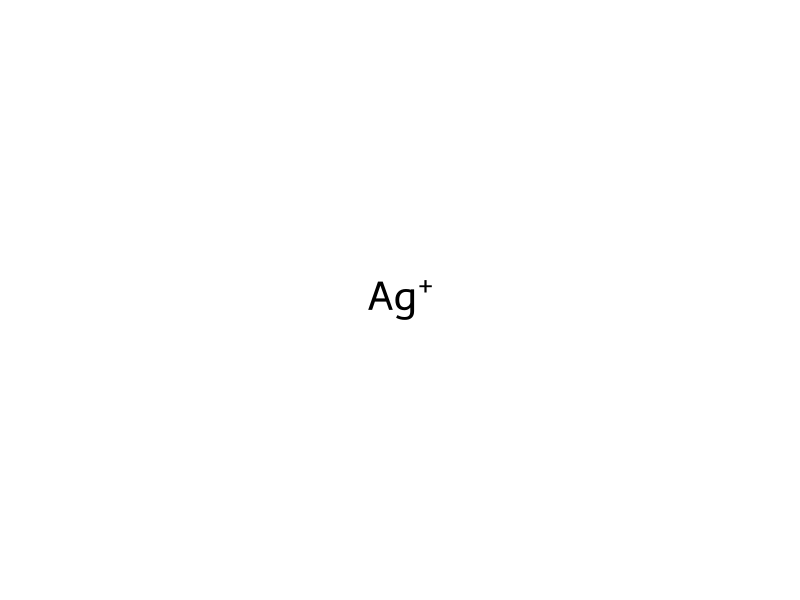
基本情報
- 標準SMILES
[Ag+]- InChIKey
FOIXSVOLVBLSDH-UHFFFAOYSA-N- 分子式
- Ag+
- 平均分子量
- 107.868 g/mol
- 単同位体質量
- 106.90454842
概要
Silver(1+) is a monoatomic monocation, an elemental silver, a monovalent inorganic cation and a silver cation.
名称と識別子
- 優先名称
- Silver cation
- IUPAC
- silver(1+)
- 英語名
- Silver, ion
- 分子式
- Ag+
- 分子量
- 107.8682
名称と別名
Silver cationSilver, ion (Ag1+)UNII-57N7B0K90A57N7B0K90ANANOVERRefChem:6224Silver ion antibacterialHand Sanitizer Gel(Ag)Ancos Silver Ion AntibacterialCHEBI:60253NANO SILVER ANTIBACTERIAL DISINFECTANTSILVER ION
名称をさらに表示
silver(1+)14701-21-4Silver ion (1+)Silver(I)Ag(+)Silver, ionAg+Silver elemental
データベース識別子
- CAS
14701-21-4、7440-22-4- PubChem CID
- 104755
- DTXSID
DTXSID10892099- ChEMBL
CHEMBL1230866- ChEBI
CHEBI:49468- UNII
- 57N7B0K90A
- Nikkaji
- J1.972.384D、J371.655D
物性
構造計算による物性
- 極性表面積
- 0 Ų
- 水素結合供与体数
- 0
- 水素結合受容体数
- 0
- 回転可能結合数
- 0
- 重原子数
- 1
- 形式電荷
- 1
- 複雑度
- 0
実験および物理化学的性質
Melting Point960.5 °C
Physical DescriptionSolid
物理化学的性質
- EPAの化学物質情報
- Silver ion (14701-21-4)
安全と法規制
毒性情報
Health Effects
Silver itself is not toxic to humans, but most silver salts are. In large doses, silver and compounds containing it can be absorbed into the circulatory system and become deposited in various body tissues, leading to argyria, which results in a blue-grayish pigmentation of the skin, eyes, and mucous membranes. Argyria is rare, and although, so far as known, this condition does not otherwise harm a person's health, it is disfiguring and usually permanent. Mild forms of argyria are sometimes mistaken for cyanosis. (L809)
Exposure RoutesOral (L808) ; inhalation (L808) ; dermal (L808)
Toxicity Summary
Metallic silver is oxidized and may deposit in the tissues, causing arygria. The silver ion is known to inhibit glutathione peroxidase and NA+,K+-ATPase activity, respectively disrupting selenium-catalyzed sulfhydryl oxidation-reduction reactions and intracellular ion concentrations. Silver nanoparticles are believed to disrupt the mitochondrial respiratory chain, causing oxidative stress, reduced ATP synthesis, and DNA damage. (L808, A243, A244, A245, A246)
Signs and Symptoms
Exposure to high levels of silver for a long period of time may result in a condition called arygria, a blue-gray discoloration of the skin and other body tissues. Argyria is a permanent effect but does not appear to be harmful to health. Exposure to high levels of silver in the air has resulted in breathing problems, lung and throat irritation, and stomach pains. Skin contact with silver can cause mild allergic reactions such as rash, swelling, and inflammation in some people. (L808)
Carcinogen ClassificationNot listed by IARC.
Toxicity DataLD50: 100 mg/kg (Oral, Mouse) (T34)
化学と産業
薬理情報
Metabolism/Metabolites
Silver and its compounds can be absorbed via inhalation, orally and dermally. It distributes throughout the body, particularily to the liver. Insoluble silver salts are transformed into soluble silver sulfide albuminates, bind to amino or carboxyl groups in RNA, DNA, and proteins, or are reduced to metallic silver by ascorbic acid or catecholamines. Metallic silver is oxidized and may deposit in the tissues, causing arygria. Silver is eliminated primarily in the faeces. (L808)
用途と製造
Uses
Most silver is produced as a by-product of copper, gold, lead, and zinc refining. Silver is a precious metal used to make ornaments, jewelry, silverware, and currency coins. It is also used in electrical equipment, mirrors, dental fillings, and brazing alloys and solders. Silver compounds are used in photographic film and as antibacterial agents. (L808, L809)
Household ProductsInformation on 4 consumer products that contain Silver ion in the following categories is provided:
上流・下流製品情報
上流原料
下流製品
サプライヤー1 社
CHEMICAL LAND21[email protected]
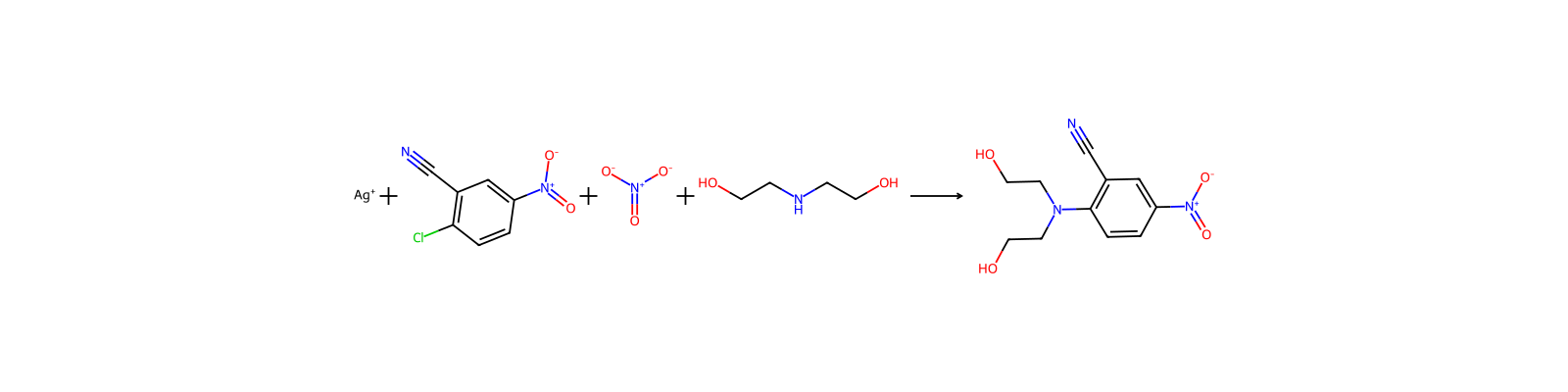
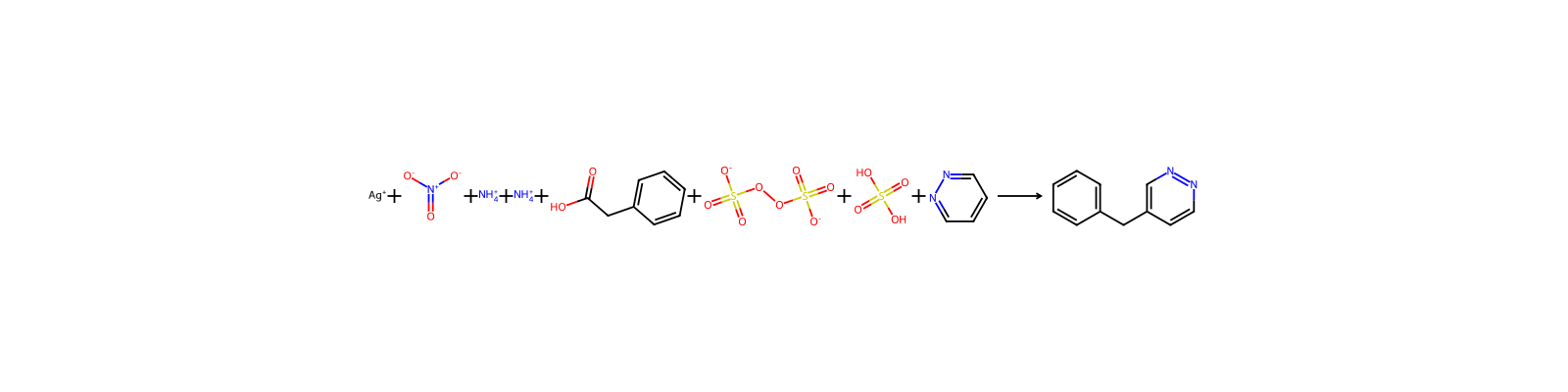
関連反応
268 件


関連ノート
読み込み中…