HRID 8519反応物として
Pyrogallol

87-66-1Oc1cccc(O)c1OWQGWDDDVZFFDIG-UHFFFAOYSA-NPyrogallic acid is an odorless white to gray solid. Sinks and mixes with water. (USCG, 1999)
87-66-1DTXSID6025983CHEMBL307145CHEBI:161640.970 (estimated)
1.19
1.45 at 68 °F (USCG, 1999) - Denser than water; will sink
1.453 g/cu cm at 4 °C
Relative density (water = 1): 1.45
1.453 @ 4°C
White, lustrous crystals or plates
White crystals, becomes grayish on exposure to light and air
Leaflets or needles
greater than or equal to 100 mg/mL at 77 °F (NTP, 1992)
Very soluble in ethanol, diethyl ether
1 g dissolves in 1.7 mL water, 1.3 mL alcohol, 1.6 mL ether; slightly sol in benzene, chloroform, carbon disulfide
Soluble in oxygenated solvents
Solubility in water: 6.25X10+5 mg/L at 25 °C; 4X10+5 mg/L at 13 °C
In water, 5.07X10+5 mg/L at 25 °C
588 °F at 760 mmHg (Decomposes at 559 °F) (NTP, 1992)
309 °C
309 °C
309 °C @760 [mm Hg]
化学的特性White or nearly white needle- or leaf-shaped crystals or crystalline powder.Pyrogallol is practically odorless.
安全情報は参考情報です。供給元の安全データシート(SDS)、適用法令、専門家による評価に代わるものではありません。
Warning
H302: Harmful if swallowed [Warning Acute toxicity, oral]
P203, P261, P264, P270, P271, P273, P280, P301+P317, P302+P352, P304+P340, P317, P318, P321, P330, P362+P364, P405, and P501 (click each P-code to see the statement)
Warning
H302+H312+H332 (12.7%): Harmful if swallowed, in contact with skin or if inhaled [Warning Acute toxicity, oral; acute toxicity, dermal; acute toxicity, inhalation]
P203, P261, P264, P264+P265, P270, P271, P273, P280, P301+P317, P302+P352, P304+P340, P305+P351+P338, P317, P318, P321, P330, P332+P317, P337+P317, P362+P364, P405, and P501 (click each P-code to see the statement)
Chemical: 1,2,3-Benzenetriol
1,2,3-Benzenetriol is listed on the EPA's Chemical Data Reporting (CDR) system. Manufacturers and importers of 1,2,3-Benzenetriol are required to report information about their production and use of this chemical to the EPA under the Toxic Substances Control Act (TSCA). (40 eCFR Part 711)
REACH registered substance: Pyrogallol (EC: 201-762-9)
Pyrogallol: Does not have an individual approval but may be used under an appropriate group standard
This compound is probably combustible. (NTP, 1992)
Combustible. Finely dispersed particles form explosive mixtures in air.
Inhalation of dust causes irritation of nose and throat. Ingestion may cause severe gastrointestinal irritation, convulsions, circulatory collapse, and death. Contact with eyes causes irritation. Skin contact can cause local discoloration, irritation, eczema, and death; repeated contact can cause sensitization. (USCG, 1999)
Reported human toxicity after ingestion includes methemoglobinemia, hemolysis of red blood cells, and damage to the liver and kidneys; [HSDB] An eye, respiratory tract, and mild skin irritant; May cause skin sensitization; [ICSC] Allergic contact dermatitis reported in hairdressers; [Kanerva, p. 1832] Toxic by ingestion with adverse effects including convulsions; [CAMEO]
Certification of this color additive when used as a color additives is not necessary for the protection of the public health and therefore batches thereof are exempt from the requirements of section 706(c) of the Federal Food, Drug, and Cosmetic Act.
Fire Extinguishing Agents: Water, foam, dry chemical, carbon dioxide (USCG, 1999)
Use water, foam, dry powder, carbon dioxide.
Fresh air, rest. Seek medical attention if you feel unwell.
Remove contaminated clothes. Rinse skin with plenty of water or shower.
First rinse with plenty of water for several minutes (remove contact lenses if easily possible), then refer for medical attention.
Rinse mouth. Refer for medical attention .
EYES: First check the victim for contact lenses and remove if present. Flush victim's eyes with water or normal saline solution for 20 to 30 minutes while simultaneously calling a hospital or poison control center. Do not put any ointments, oils, or medication in the victim's eyes without specific instructions from a physician. IMMEDIATELY transport the victim after flushing eyes to a hospital even if no symptoms (such as redness or irritation) develop.
Water. Foam. Dry powder. Carbon dioxide.
Wear self contained breathing apparatus for fire fighting if necessary.
/Store/ separated from strong oxidants, strong bases.
Keep well closed and protected from light.
IN GENERAL, MATERIALS WHICH ARE TOXIC AS STORED OR WHICH CAN DECOMP INTO TOXIC COMPONENTS...SHOULD BE STORED IN A COOL, WELL-VENTILATED PLACE, BUT OUT OF DIRECT RAYS OF THE SUN, AWAY FROM AREAS OF HIGH FIRE HAZARD, & SHOULD BE PERIODICALLY INSPECTED... INCOMPATIBLE MATERIALS SHOULD BE ISOLATED...
SMALL SPILLS AND LEAKAGE: If you spill this chemical, you should dampen the solid spill material with water, then transfer the dampened material to a suitable container. Use absorbent paper dampened with water to pick up any remaining material. Seal your contaminated clothing and the absorbent paper in a vapor-tight plastic bag for eventual disposal. Wash all contaminated surfaces with a strong soap and water solution. Do not reenter the contaminated area until the Safety Officer (or other responsible person) has verified that the area has been properly cleaned.
SRP: The most favorable course of action is to use an alternative chemical product with less inherent propensity for occupational harm/injury/toxicity or environmental contamination. Recycle any unused portion of the material for its approved use or return it to the manufacturer or supplier. Ultimate disposal of the chemical must consider: the material's impact on air quality; potential migration in soil or water; effects on animal and plant life; and conformance with environmental and public health regulations.
A) Dissolve in a flammable solvent and burn in the furnace with afterburner. B) Soak in paper or other flammable materials and burn in the furnace with afterburner. Recommendable methods: Incineration & use as a boiler fuel. Peer review: Dissolve in light fuel oil. (Peer-review conclusions of an IRPTC expert consultation (May 1985))
1. Liquid acid may be injected at base of incinerator or after mixing with a flammable solvent. Afterburner is suggested for complete combustion. 2. A solid acid may be dissolved in a flammable solvent and burned as above. 3. Solid acid may be packaged in paper or other flammable material and burned in an incinerator.
Personal protection: particulate filter respirator adapted to the airborne concentration of the substance. Do NOT let this chemical enter the environment. Sweep spilled substance into covered containers. If appropriate, moisten first to prevent dusting. Carefully collect remainder. Then store and dispose of according to local regulations.
Ventilation control: Basic ... methods are local exhaust ... & dilution or general ventilation.
SRP: Local exhaust ventilation should be applied wherever there is an incidence of point source emissions or dispersion of regulated contaminants in the work area. Ventilation control of the contaminant as close to its point of generation is both the most economical and safest method to minimize personnel exposure to airborne contaminants.
SRP: The scientific literature for the use of contact lenses by industrial workers is inconsistent. The benefits or detrimental effects of wearing contact lenses depend not only upon the substance, but also on factors including the form of the substance, characteristics and duration of the exposure, the uses of other eye protection equipment, and the hygiene of the lenses. However, there may be individual substances whose irritating or corrosive properties are such that the wearing of contact lenses would be harmful to the eye. In those specific cases, contact lenses should not be worn. In any event, the usual eye protection equipment should be worn even when contact lenses are in place.
... The involvement of various molecular events in pyrogallol-mediated hepatotoxicity was deciphered by differential mRNA transcription profiles of control and pyrogallol treated mice liver. The modulatory effects of silymarin on pyrogallol-induced differentially expressed transcripts were also looked into. Swiss albino mice were treated with or without pyrogallol. In some sets of experiments, mice were also treated with silymarin 2 hr prior to pyrogallol. Total RNA was isolated from liver and polyadenylated RNA was reverse-transcribed into Cye 3 or Cye 5 labeled cDNA. Equal amounts of labeled cDNA from two different groups were mixed and hybridized with mouse 15k array. The hybridized arrays were scanned, analyzed and the expression level of each transcript was calculated. The differential expression was validated by quantitative real time polymerase chain reaction. Comparative transcription pattern showed an alteration in the expression of 183 transcripts (150 up-regulated and 33 down-regulated) associated with oxidative stress, cell cycle, cytoskeletal network, cell-cell adhesion, extra-cellular matrix, inflammation, apoptosis, cell-signaling and intermediary metabolism in pyrogallol-exposed liver and silymarin pre-treatment modulated the expression of many of these transcripts. Results obtained thus suggest that pyrogallol induces multiple molecular events leading to hepatotoxicity and silymarin effectively counteracts pyrogallol-mediated alterations.
... /This/ study was undertaken to assess the effect of resveratrol against pyrogallol-induced changes in hepatic damage markers, xenobiotic metabolizing enzymes and oxidative stress. Swiss albino mice were treated intraperitoneally, daily with pyrogallol (40 mg/kg), for one to four weeks, along with respective controls. In some set of experiments, animals were pre-treated with resveratrol (10 mg/kg), 2 hr prior to pyrogallol treatment, along with respective controls. Alanine aminotransaminase, aspartate aminotransaminase and bilirubin were measured in blood plasma and mRNA expression of cytochrome P-450 (CYP) 1A1, CYP1A2, CYP2E1, glutathione-S-transferase (GST)-ya and GST-yc, catalytic activity of CYP1A1, CYP1A2, CYP2E1, GST, glutathione reductase and glutathione peroxidase, lipid peroxidation and reduced glutathione (GSH) level were measured in liver. Resveratrol reduced pyrogallol-mediated increase in alanine aminotransaminase, aspartate aminotransaminase, bilirubin, lipid peroxidation and mRNA expression and catalytic activity of CYP2E1 and CYP1A2. Pyrogallol-mediated decrease in GST-ya and GST-yc expressions, GST, glutathione peroxidase and glutathione reductase activities and GSH content was significantly attenuated in resveratrol co-treated animals. CYP1A1 expression and catalytic activity were not altered significantly in any treated groups. The results demonstrate that resveratrol modulates pyrogallol-induced changes in hepatic toxicity markers, xenobiotic metabolizing enzymes and oxidative stress.
The effect of a free radical generator pyrogallol on gastric emptying was studied in rats. Pyrogallol at doses of 25, 50, 100 and 150 mg/kg (ip) produced dose-dependent inhibition of gastric emptying. Pretreatment with vitamin C (100 and 500 mg/kg, p.o.), and vitamin E (100 and 500 mg/kg, po) significantly reversed the inhibition in gastric emptying caused by pyrogallol 100 mg/kg. However, the combination of vitamin C and vitamin E (100 mg/kg) produced synergistic effect. Glutathione (100 mg/kg iv) 5-min pretreatment also reversed the inhibition of gastric emptying caused by pyrogallol 100 mg/kg. Ondansetron (3 mg/kg, po) significantly reversed the pyrogallol effect. The effect of pyrogallol on malondialdehyde (MDA) levels and 5-HT levels in the stomach tissue was also studied. Pyrogallol at a dose of 100 mg/kg, i.p., significantly increased MDA levels and 5-HT levels in the stomach. Pretreatment with a combination of vitamin C and vitamin E (100 mg/kg, p.o.) and glutathione (100 mg/kg, i.v.) significantly ameliorated the rise in stomach tissue MDA caused by pyrogallol but had no significant effect on the rise in 5-HT levels caused by pyrogallol. The effect of different doses of 5-HT on gastric emptying was also studied. 5-HT had a differential effect on gastric emptying. The low and high doses (0.1, 0.3 and 30 mg/kg, ip) significantly inhibited the gastric emptying while doses ranging from 1 to 10 mg/kg, i.p., had no significant effect on the gastric emptying. The pretreatment with antioxidants, combination of vitamin C and vitamin E (100 mg/kg each, p.o.) and glutathione (100 mg/kg, i. v.) had no effect on the 5-HT (0.3 mg/kg, ip)-induced delay in gastric emptying. The result indicate the role of free radicals in gastric emptying, and antioxidants may be of potential therapeutic value in disease conditions where free radicals are known to be released and the gastrointestinal effects are observed as symptoms or side effects of drug therapy.
This study was designed (i) to test the hypothesis that the endothelium-derived hyperpolarizing factor (EDHF) component of ACh-induced vasorelaxation and hyperpolarization of smooth muscle cells (SMCs) are impaired following exposure to superoxide anion, and (ii) to further investigate whether luteolin and apigenin induce vasoprotection at the vasoactive concentrations in rat mesenteric artery. Rat mesenteric arterial rings were isolated for isometric force recording and electrophysiological studies. Perfusion pressure of mesenteric arterial bed was measured and visualization of superoxide production was detected with fluorescent dye. 300 microM pyrogallol significantly decreased the relaxation and hyperpolarization to ACh. Luteolin and apigenin both induced vasoprotection against loss of the EDHF component of ACh-induced relaxation and attenuated the impairment of hyperpolarization to ACh. Oxidative fluorescent microtopography showed that either luteolin or apigenin significantly reduced the superoxide levels. The results suggest that superoxide anion impairs ACh-induced relaxation and hyperpolarization of SMC in resistance arteries through the impairment of EDHF mediated responses. Luteolin and apigenin protect resistance arteries from injury, implying that they may be effective in therapy for vascular diseases associated with oxidative stress.
For more Interactions (Complete) data for Pyrogallic acid (8 total), please visit the HSDB record page.
LC50; Species: Brachydanio rerio (zebra fish); Concentration: 41.8 mg/L for 96 hr /Conditions of bioassay not specified/
LC50; Species: Goldfish; Concentraiton: 18 mg/L for 48 hr /Conditions of bioassay not specified/
EC50; Species: Daphnia magna (water flea, age <72 hr); Conditions: freshwater, static, 22 °C, pH 7-7.8, conductivity 160-180 umhos/cm; Concentration: >100000 ug/L for 2 hr; Effect: intoxication, immobilization /active ingredient/
EC50; Species: Daphnia magna (water flea, <72 hr old); Conditions: freshwater, static, 22 °C, pH 7-7.8, conductivity, 160-180 umhos/cm; Concentration: >100000 ug/L for 4 hr; Effect: intoxication, immobilization /active ingredient/
For more Ecotoxicity Values (Complete) data for Pyrogallic acid (10 total), please visit the HSDB record page.
TERRESTRIAL FATE: Based on a classification scheme(1), an estimated Koc value of 320(SRC), determined from a structure estimation method(2), indicates that pyrogallic acid is expected to have moderate mobility in soil(SRC). The pKa of pyrogallic acid is 9.01(3), indicating that this compound will partially exist in anion form in the environment and anions generally do not adsorb more strongly to soils containing organic carbon and clay than their neutral counterparts(4). Volatilization of the neutral species of pyrogallic acid from moist soil surfaces is not expected to be an important fate process(SRC) given an estimated Henry's Law constant of 1.57X10⁻¹⁰ atm-cu m/mole(SRC), derived from its vapor pressure, 4.79X10⁻⁴ mm Hg(5) and water solubility, 5.07X10+5 mg/L(6). Volatilization of the anionic form of pyrogallic acid is not expected, because ions do not volatilize(SRC). Pyrogallic acid is not expected to volatilize from dry soil surfaces(SRC) based upon its vapor pressure(5). Aerobic biodegradation studies show that pyrogallic acid degrades in activated sludge at varying rates, such as 16 to 24% after a half day in high inoculum concentrations(7), 2% after 5 days with unknown initial concn(8), 40% after 5 days(9), and 69% after 63 days(10). Pyrogallic acid also degrades at varyious rates under anaerobic conditions with 94% to 97% after 7 days in digester sludge, 0% after more than 203 days in freshwater/sediment(11), and >75% after 56 days in sludge(12).
AQUATIC FATE: Based on a classification scheme(1), an estimated Koc value of 320(SRC), determined from a structure estimation method(2), indicates that pyrogallic acid may adsorb to suspended solids and sediment(SRC). Volatilization from water surfaces is not expected for the neutral species(3) based upon an estimated Henry's Law constant of 1.57X10⁻¹⁰ atm-cu m/mole(SRC), derived from its vapor pressure, 4.79X10⁻⁴ mm Hg(4) and water solubility, 5.07X10+5 mg/L(5). A pKa of 9.01(6) indicates pyrogallic acid will exist partially in the anion form at pH values of 5 to 9 and therefore volatilization of the anion form from water surfaces is not expected to be an important fate process(SRC). According to a classification scheme(7), an estimated BCF of 3.2(SRC), from an estimated log Kow of 0.97(8) and a regression-derived equation(2), suggests the potential for bioconcentration in aquatic organisms is low(SRC). Aerobic biodegradation studies show that pyrogallic acid degrades in activated sludge at varying rates, such as 16 to 24% after a half day in high inoculum concentrations(9), 2% after 5 days with unknown initial concn(10), 40% after 5 days(11), and 69% after 63 days(12). Pyrogallic acid also degrades at varying rates in anaerobic conditions with 94% to 97% after 7 days in digester sludge, 0% after more than 203 days in freshwater/sediment(13), and >75% after 56 days in sludge(14).
ATMOSPHERIC FATE: According to a model of gas/particle partitioning of semivolatile organic compounds in the atmosphere(1), pyrogallic acid, which has a vapor pressure of 4.79X10⁻⁴ mm Hg at 25 °C(2), is expected to exist solely as a vapor in the ambient atmosphere. Vapor-phase pyrogallic acid is degraded in the atmosphere by reaction with photochemically-produced hydroxyl radicals(SRC); the half-life for this reaction in air is estimated to be 1.9 hours(SRC), calculated from its rate constant of 2.0X10⁻¹⁰ cu cm/molecule-sec at 25 °C(SRC) that was derived using a structure estimation method(3). Pyrogallic acid does not contain chromophores that absorb at wavelengths >290 nm(4) and therefore is not expected to be susceptible to direct photolysis by sunlight(SRC).
Safe in the present practices of use and concentration. Ingredient, concentration, and use information are available in documents discoverable at https://cir-reports.cir-safety.org
Ingestion of the leaves of Acer rubrum (red maple), especially the wilted one in the fall, can cause severe oxidative damage to equine erythrocytes, leading to potentially fatal methemoglobinemia and hemolytic anemia. Gallic acid and tannins from Acer rubrum leaves have been implicated as the toxic compounds responsible for red maple toxicosis. To investigate further how red maple toxicosis occurs, this study used aqueous solutions of gallic acid, tannic acid, and ground dried Acer rubrum leaves that were incubated with contents of equine ileum, jejunum, cecum, colon, and liver, and then analyzed for the metabolite pyrogallol, as pyrogallol is a more potent oxidizing agent. They found that gallotannins (a class of molecules belonging to the hydrolysable tannins) and free gallic acid are present in Acer rubrum leaves and can be metabolized by the K. pneumoniae and E. cloacae found in the equine ileum to form pyrogallol.
Plants in the maple genus (Acer) and pistachio genus (Pistacia) have been reported to cause acute hemolysis in horses. The cause of hemolysis appears to be metabolism of gallic acids to the potent oxidant pyrogallol by enteric bacteria of the horse. The diagnosis is often tentative and circumstantial. Treatment is symptomatic and supportive and can include detoxification, fluid and electrolyte therapy, supplemental oxygen, and pain control. The p rognosis is guarded to poor but horses that survive six days postexposure are expected to recover.
/BIRDS and MAMMALS/ Green acorns are known to contain high concentrations of pyrogallol ... Two pigeons found dead with a filled muscular stomach of acorns. The following pathologic findings were observed: irritation of mucosal membranes in the gastrointestinal tract, blackish discolored chyme, hyperemic organs, and general edemas. The muscular stomach (ventriculus) was filled with pieces of acorns, and the abdominal cavity contained bloody aqueous fluid ... The pyrogallol concentrations in samples /from kidney, liver, and ventriculus/ of dead pigeons were 16-1200-fold higher than in control animals fed grass and maize-corn. Altogether, the acorn-filled ventriculus, the pathologic findings, the well nourished state, and the high pyrogallol concentrations in the dead pigeons suggest an acute pyrogallol poisoning by acorn. With respect to controls, ... pyrogallol concentrations of 6 ng/g of kidney, 8 ng/g of liver, and 2 ng/g of gastric content do not affect the health of pigeons.
Cough. Sore throat.
Redness.
Redness. Pain.
Vomiting. Diarrhoea.
The following link will take the user to the National Toxicology Program (NTP) Test Agent Search Results page, which tabulates all of the "Standard Toxicology & Carcinogenesis Studies", "Developmental Studies", and "Genetic Toxicity Studies" performed with this chemical. Clicking on the "Testing Status" link will take the user to the status (i.e., in review, in progress, in preparation, on test, completed, etc.) and results of all the studies that the NTP has done on this chemical.[Available from: http://ntp-apps.niehs.nih.gov/ntp_tox/index.cfm?fuseaction=ntpsearch.searchresults&searchterm=87-66-1]
Wastewater samples were collected on three occasions (dates unknown) from Coal Chemical Complex, Naspur, Adilabad, India. Ten waste ammoniacal liquor (WAL) samples were obtained and pyrogallic acid was found to have a mean concentration of 2,021 mg/L(1).
Using a structure estimation method based on molecular connectivity indices(1), the Koc of pyrogallic acid can be estimated to be 320(SRC). According to a classification scheme(2), this estimated Koc value suggests that pyrogallic acid is expected to have moderate mobility in soil. The pKa of pyrogallic acid is 9.01(3), indicating that this compound will partially exist in the anion form in the environment and anions do not adsorb more strongly to soils containing organic carbon and clay than their neutral counterparts(4).
Certification of this color additive when used as a color additives is not necessary for the protection of the public health and therefore batches thereof are exempt from the requirements of section 706(c) of the Federal Food, Drug, and Cosmetic Act.
Pyrogallol (PG) as a polyphenol induces apoptosis in cells. The effects of PG on the growth and death of endothelial cells (ECs) /were examined/. PG dose-dependently inhibited the growth of calf pulmonary artery endothelial cells (CPAEC) and human umbilical vein endothelial cells (HUVEC). PG also induced apoptosis in both cells accompanied by the loss of mitochondrial membrane potential (DeltaPsi(m)). CPAEC were more sensitive to PG than HUVEC concerning cell growth and death. Caspase inhibitors (pan-caspase, caspase-3, -8 or -9 inhibitor) did not affect the growth inhibition of CPAEC by PG. However, pan-caspase inhibitor (Z-VAD) significantly reduced apoptosis and the loss of DeltaPsi(m) in PG-treated CPAEC. PG reduced ROS level and increased GSH depleted cell numbers in CPAEC. While Z-VAD increased ROS levels in PG-treated CPAEC, it decreased GSH depleted cell numbers. In conclusion, PG inhibited the growth of ECs, especially CPAEC via caspase-dependent apoptosis and GSH depletion.
Pyrogallol (PG) as a polyphenol compound induces apoptosis in several types of cells. Here, we evaluated the effects of PG on endothelial cells (ECs), especially calf pulmonary artery endothelial cells (CPAEC) in relation to the cell growth, ROS and glutathione (GSH) levels. PG dose-dependently inhibited the growth of CPAEC and human umbilical vein endothelial cells (HUVEC) at 24 h. PG also induced apoptosis in CPAEC, which was accompanied by the loss of mitochondrial membrane potential (MMP; DeltaPsim). PG decreased ROS level including O2*- and PG dose-dependently increased GSH depleted cell number in both EC types. N-acetyl-cysteine (NAC; a well-known antioxidant) increased ROS levels in PG-treated CPAEC with the prevention of cell death and GSH depletion. In conclusion, PG inhibited the growth of ECs, especially CPAEC via apoptosis. PG-induced EC death was related to GSH depletion rather than ROS level changes.
Treatment with 50 or 100 uM pyrogallol (PG) significantly inhibited the cell growth of human pulmonary A549 cells for 72 hr. DNA flow cytometric analysis indicated that PG slightly induced a G1 phase arrest of the cell cycle at 24 or 48 hr, but did not induce the specific cell cycle arrest at 72 hr. Intracellular GSH depletion was observed in PG-treated cells. PG induced apoptosis in A549 cells, as evidenced by sub-G1 cells, annexin V staining cells, and the loss of mitochondrial membrane potential (DeltaPsi(m)). The intracellular ROS (reactive oxygen species) level including O(2)(*-) increased in PG-treated A549 cells at 24 and 48 hr, and persisted at 72 hr. The changes in GSH as well as ROS levels by PG affected the cell viability in A549 cells. In conclusion, PG inhibited the growth of human pulmonary A549 cells by inducing cell cycle arrest as well as triggering apoptosis.
Pyrogallol (PG) decreased the viability of human pulmonary adenocarcinoma Calu-6 cells in a dose- and time-dependent manner. The induction of apoptosis by PG was accompanied by the loss of mitochondrial membrane potential (DeltaPsi(m)), cytochrome c release from mitochondria and activation of caspase-3 and caspase-8. All tested caspase inhibitors, especially the pan-caspase inhibitor (Z-VAD), markedly rescued Calu-6 cells from PG-induced cell death. Rescue was accompanied by inhibition of caspase-3 activation and PARP cleavage. Treatment with Z-VAD also prevented the loss of mitochondrial membrane potential (DeltaPsi(m)). In conclusion, PG inhibits the growth of Calu-6 cells via caspase-dependent apoptosis.
For more Mechanism of Action (Complete) data for Pyrogallic acid (7 total), please visit the HSDB record page.
...Pyrogallol /is a metabolite of tannic acid...
With pyrogallol derivatives...the middle phenolic group is methylated, with catechol derivatives methylation may be meta or para, dependent on the other substituents present. Pyrogallol /is methylated by catechol o-methyl transferase to form/ 2-methyl pyrogallol.
Pyrogallol in rats yields 3-methoxycatechol & 2-methoxyresorcinol. In grass yields 2-methoxyresorcinol. /From table/
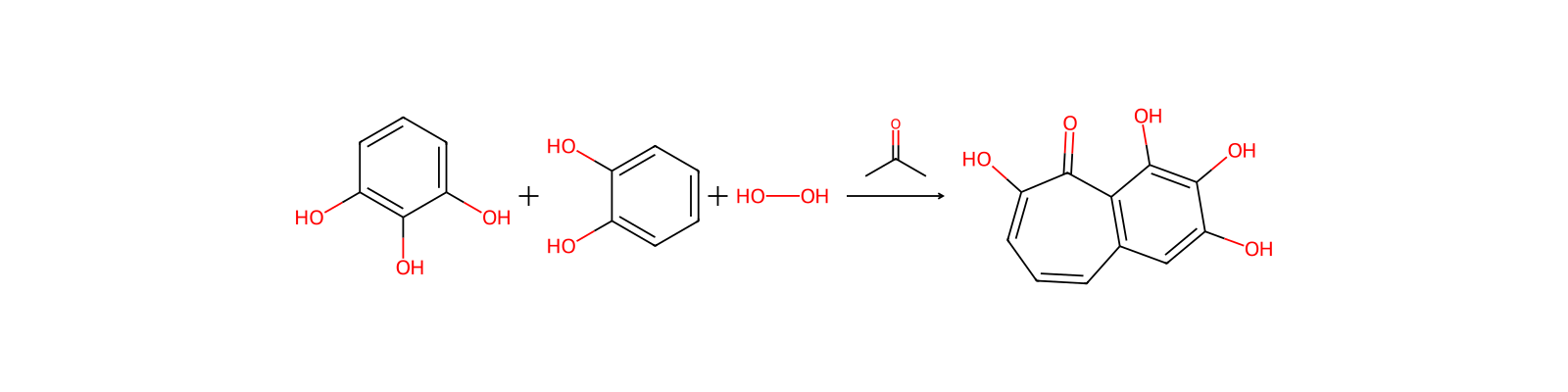
Pyrogallol in beef yields purpurogallin. In tea yields purpurogallin. /From table/
For more Metabolism/Metabolites (Complete) data for Pyrogallic acid (7 total), please visit the HSDB record page.
The substance can be absorbed into the body by ingestion.
Readily absorbed via skin.
...Readily absorbed from gastroenteric tract & from parenteral sites of injection. Little is absorbed through intact skin. ...readily conjugated with hexuronic, sulfuric, or other acids & excreted within 24 hr via kidneys. A fraction is excreted unchanged.
CIR ingredient: Pyrogallol
Used in photography and leather crafts; used in wool, fur, and hair dyeing; also used as an analytical chemistry reagent, an antioxidant for oils, and as a topical medication; [HSDB] Used in hair dyes and was used in photographic developers; [Kanerva, p. 1832] No longer used in hair dyes because of the frequency of allergic reactions; [Kanerva, p. 1516]
Photographic Processing [Category: Other]
Developer in photography; making colloidal soln of metals; as mordant for wool, staining leather; process engraving; manufacture of various dyes; dyeing furs, hair; analytical chemistry reagent for antimony and bismuth; active reducer for gold, silver and mercury salts; for absorption of oxygen in gas analysis
Dyestuffs intermediate; mordant (wool/leather dyeing); analytical reagent (antimony, bismuth, gas analysis)
... Preparation of ... intermediates, synthetic drugs, medicine (antibacterial), process engraving, laboratory reagent ... antioxidant in lubricating oils.
2023: 121,440 lb
(1972) PROBABLY GREATER THAN 4.54X10+5 GRAMS
(1975) PROBABLY GREATER THAN 9.08X10+5 GRAMS
Production volumes for non-confidential chemicals reported under the Inventory Update Rule. [Table#2121]
From gallic acid (decarboxylation); from cyclohexanone (alpha chlorination/hydration/dehydrochlorination)
Heating gallic acid with three times its weight of water in an autoclave
Commercially produced by decarboxylation of gallic acid, which is prepared by hydrolysis of tannin.
... Methods for producing pyrogallol include oxidation of resorcinol with hydrogen peroxide, hydrolysis of 2,6-diamino-4-butylphenol, demethylation of 4-substituted 2,6-dimethoxyphenols, oxidation of 2,6-dimethylphenol, hydrolysis of 2,2,6,6-tetrachlorocyclohexanone, deoximation of 1,2,3-cyclohexanetrion-1,3-dioxime, and dehydrogenation of 1,2,3-trihydroxycyclohexane.
Not Known or Reasonably Ascertainable
1,2,3-Benzenetriol: ACTIVE
Incompatibilities: alkalies, antipyrine, camphor, phenol, ammonium hydroxide.
ITS USEFULNESS...IS BASED PRIMARILY UPON ITS PROPERTY OF BEING EASILY OXIDIZED IN ALKALINE SOLN (EVEN BY ATMOSPHERIC OXYGEN) SO THAT SUCH SOLN BECOME POTENT REDUCING AGENTS. ...USED SPECIFICALLY AS DEVELOPER IN PHOTOGRAPHY & FOR MAINTAINING ANAEROBIC CONDITIONS FOR BACTERIAL GROWTH.
HAIR DYEING COMPD DARKEN GRAY HAIR BY APPLYING A COMPD CONTAINING IRON 2+ & SUBSEQUENTLY APPLYING ANOTHER COMPD CONTAINING COLORING AGENTS SUCH AS PYROGALLOL WHICH REACT WITH THE EMBEDDED IRON 2+ TO FORM DARK COLOR.
Used as chemical intermediate for the synthesis of bendiocarb; 2,3,4-trihydroxybenzophenone mono-2,1,5-diazoester
解説1,2,3-benzenetriol.C6H6O3(126.11).焦性没食子酸ともいう.没食子酸を加圧下に水と175 ℃ に加熱脱炭酸すると得られる."結晶.融点133 ℃,沸点309 ℃.d41.453.昇華しやすい.水,エタノール,エーテルなどに可溶.還元力がきわめて強い.ガス分析における酸素吸収剤,写真の現像薬,分析用試薬として金,銀,水銀などの金属の沈殿剤,さらに防腐剤,媒染剤,染料合成原料として使用される.LD50 789 mg/kg(ラット,経口).[CAS 87-66-1]森北出版「化学辞典(第2版)
用途金属コロイド溶液製造における保護コロイド、医薬?写真薬?染料原料、分析用試薬
用途ピロガロールは,焦性没食子酸ともいう。1,2,3-トリオキシベンゼンのこと。没食子酸を熱分解して得られる無臭の無色針状晶。融点 131~133℃。昇華性。空気と光によって酸化され,灰色になる。アルカリ性水溶液中ではさらに酸化されやすく,空気を通すと酸素を吸収して暗褐色になる。防腐性,局所刺激性の軟膏,写真の現像 (有毒なため現在は使われない) ,染料製造,分析試薬 (たとえば第二鉄塩で青色,放置すると褐色) ,酸素除去剤に用いられる。
使用Pyrogallol possesses importance as a spectrophotometric reagent in the determination of niobium and tantalum. The absorptions of niobium and tantalum complexes are usually measured at 340 and 335 nm, respectively. The niobium complex is formed in slightly acidic medium, and the tantalum complex in strongly acidic medium (4 N HC1). The absorption spectra are pH-dependen.
一般的な説明Odorless white to gray solid. Sinks and mixes with water.
Pyrogallol is prepared by heating dried gallic acid at about 200°C with the loss of carbon dioxide or by the chlorination of cyclohexanol to tetrachlorocyclohexanone, followed by hydrolysis.
定義ChEBI: A benzenetriol carrying hydroxy groups at positions 1, 2 and 3.


