
HRID 234751反応物として
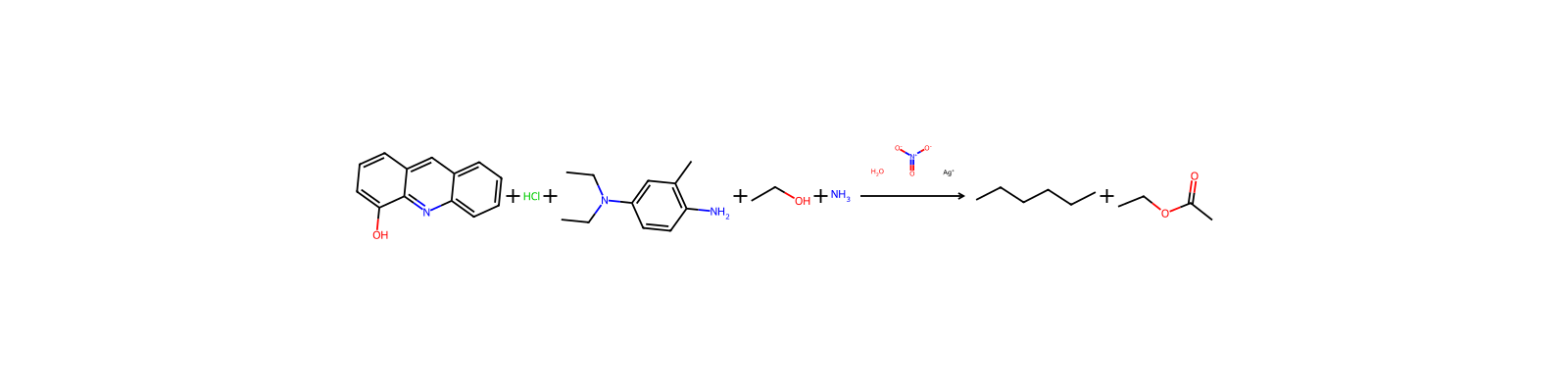
N,N-Diethyltoluene-2,5-diamine hydrochloride

2051-79-8CCN(CC)c1ccc(N)c(C)c1.ClMPLZNPZPPXERDA-UHFFFAOYSA-N2051-79-8、24828-38-4DTXSID1038799安全情報は参考情報です。供給元の安全データシート(SDS)、適用法令、専門家による評価に代わるものではありません。
Danger
H301: Toxic if swallowed [Danger Acute toxicity, oral]
P261, P264, P264+P265, P270, P272, P273, P280, P301+P316, P302+P352, P305+P351+P338, P321, P330, P333+P317, P337+P317, P362+P364, P391, P405, and P501 (click each P-code to see the statement)
Danger
H301 (100%): Toxic if swallowed [Danger Acute toxicity, oral]
P261, P264, P264+P265, P270, P272, P273, P280, P301+P316, P302+P352, P305+P351+P338, P321, P330, P333+P317, P337+P317, P362+P364, P391, P405, and P501 (click each P-code to see the statement)
Chemical: 1,4-Benzenediamine, N4,N4-diethyl-2-methyl-, monohydrochloride
1,4-Benzenediamine, N4,N4-diethyl-2-methyl-, monohydrochloride: Does not have an individual approval but may be used under an appropriate group standard
4-Diethylamino-o-toluidine hydrochloride: Does not have an individual approval but may be used under an appropriate group standard
Can cause skin sensitization; [Marks] May form explosive dust-air mixtures; An eye irritant; Prolonged or repeated skin exposure may cause drying, cracking, or irritation; May cause skin sensitization (positive results in human test); May cause liver injury, based on animal studies (targets liver in repeated-dose oral studies of rats); Harmful by ingestion and inhalation; [Kodak MSDS]
Acute Tox. 3 (100%)
Acute toxicity - category 3
Acute Tox. 3 *
Used as professional photographic processing chemical; [Kodak MSDS]
Photographic Processing [Category: Other]
説明CD2 is a color-film developer. It acts as an allergen and an irritant in photographers. Cross reaetivity is possible with Disperse Blue 124, Disperse Blue 106, and Disperse red 17, but not to para-amino Compounds.
使用4-(N,N-Diethyl)-2-Methyl-p-Phenylenediamine Monohydrochloride (cas# 2051-79-8) was identified by HPLC in oxidative hair dye products.



化学的特性White to grey white crystal