

基本情報
- 標準SMILES
ClC=CCl- InChIKey
KFUSEUYYWQURPO-UHFFFAOYSA-N- 分子式
- C2H2Cl2
- 平均分子量
- 96.94 g/mol
- 単同位体質量
- 95.95335542
概要
1, 2-Dichloroethene, also called 1, 2-dichloroethylene, is a highly flammable, colorless liquid with a sharp, harsh odor. It is used to produce solvents and in chemical mixtures. You can smell very small amounts of 1, 2-dichloroethene in air (about 17 parts of 1, 2-dichloroethene per million parts of air [17 ppm]). There are two forms of 1, 2-dichloroethene; one is called cis-1, 2-dichloroethene and the other is called trans-1,2-di-chloroethene. Sometimes both forms are present as a mixture.
名称と識別子
- 優先名称
- 1,2-Dichloroethylene
- IUPAC
- 1,2-dichloroethene
- 現地名
- 1,2-ジクロロエチレン
- 英語名
- 1,2-Dichloroethylene
- 分子式
- C2H2Cl2
- 分子量
- 96.94
名称と別名
1,2-Dichloroethylene1,2-Dichloroethene540-59-0Ethene, 1,2-dichloro-DioformAcetylene dichloridesym-Dichloroethylene1,2-Dichlor-aethenDichloro-1,2-ethyleneDTXSID8024991Ethylene, 1,2-dichloro-NCI-C56031
名称をさらに表示
1,2-ジクロロエチレン二塩化アセチレン1,2ジクロロエチレン1,2-ジクロロエチレン(unspecified isomers)ジクロロエチレン(Z)-1,2-DichloroetheneDichloroethyleneDichloroethylenesResidual Solvent Class 2 - 1,2-DichloroetheneDichloracetylene1,2-DICHLORETHENE
XU9RUA6YUTDTXCID304991CHEBI:18882RefChem:718651,2-DICHLOROETHYLENE (MIXED ISOMERS)208-750-21,2-DICHLOROETHYLENE, (MIXED ISOMERS)1,2-DICHLOROETHYLENE (MIXTURE OF CIS AND TRANS)
データベース識別子
- CAS
540-59-0- PubChem CID
- 10900
- DTXSID
DTXSID8024991- ChEMBL
CHEMBL1385560- EC Number
- 208-750-2
物性
構造計算による物性
- XLogP
- 1.9
- 極性表面積
- 0 Ų
- 水素結合供与体数
- 0
- 水素結合受容体数
- 0
- 回転可能結合数
- 0
- 重原子数
- 4
- 形式電荷
- 0
- 複雑度
- 19.2
実験および物理化学的性質
Chemical ClassesFlammable agents - 3rd degree
SolventsSolvents -> Chlorinated Aliphatics
SpringerMaterials PropertiesCorrosion
LogP
log Kow = 1.86
2
Odor
Ethereal, slightly acrid
Pleasant
Sweet, slightly irritating chloroform-like odor
... Slightly acrid, chloroform-like odor
Density
1.27 at 77 °F (USCG, 1999) - Denser than water; will sink
Approximately 1.28
Relative density (water = 1): 1.28
1.27
~1.28 No temp
(77 °F): 1.27
Color/Form
Colorless liquid (usually a mixture of the cis- and trans-isomers) ...
Mobile liquid
Solubility
less than 1 mg/mL at 70 °F (NTP, 1992)
In water, 3.50X10+3 mg/L at 25 °C
Insoluble in water
Soluble in alcohol, ether, and most other organic solvents
Soluble in most organic solvents
Solubility in water: poor
Corrosivity1,2-Dichloroethylene will attack some forms of plastics, rubber, and coatings.
Flash Point
39 °F (NTP, 1992)
2 °C
6 °C (43 °F) - closed cup
36 °F (2 °C) - closed cup
2 °C c.c.
36-39 °F
Boiling Point
118 to 140 °F at 760 mmHg (NTP, 1992)
55 °C
55 °C
118-140 °F
55 °C @760 [mm Hg]
118-140 °F
Decomposition
Hazardous decomposition products formed under fire conditions - Carbon oxides, hydrogen chloride gas.
... Gradually decomposed by light, air, and moisture, forming /hydrogen chloride/.
Gradual decomposition results in hydrochloric acid formation in the presence of ultraviolet light or upon contact with hot metal or other hot surfaces.
When heated to decomposition it emits highly toxic fumes of /chloride/.
物理化学的性質
- 融点
- 57 °C · −57 °C(lit.)
- 沸点
- 48 · 48-60 °C(lit.)
- 比重(密度)
- 1.265 g/mL · 1.265 g/mL at 25 °C(lit.)
- 蒸気圧
- 5.32 psi · 5.32 psi ( 20 °C)
- 屈折率
- 20 · n20/D 1.447(lit.)
- 闪点
- 43 °F · 43 °F
- 溶解性
- Acetonitrile (Slightly), Chloroform (Soluble)
- 外見
- 無色の液体
- 臭い (Odor)
- 空気のようで、わずかに刺激的です。心地よい、クロロホルム様。
- Merck
- 13 · 13,94
- Henry's Law Constant
- 1.2 · 1.2×10-2 mol/(m3Pa) at 25℃, Keshavarz et al. (2022)
- Dielectric constant
- 4.6 · 4.6(17℃)
- 安定性
- Light Sensitive, Volatile
- InChI
- InChI=1S/C2H2Cl2/c3-1-2-4/h1-2H
- InChIKey
- KFUSEUYYWQURPO-UHFFFAOYSA-N
- SMILES
- C(Cl)=CCl
- LogP
- 2 · 2.000
- EPAの化学物質情報
- 1 · 1,2-Dichloroethylene (540-59-0)
化学的性質
化学的特性1,2-Dichloroethylene exists in three isomers, sym-, cis-60% and trans-40%. There are variations in toxicity between these two forms. At room temperature, these chemicals are colorless liquids with a slightly acrid, ethereal odor. The Odor Threshold in air is 17 ppm. sym-isomer:
安全と法規制
GHS分類
GHS Classification
Danger
H225: Highly Flammable liquid and vapor [Danger Flammable liquids]
P210, P233, P240, P241, P242, P243, P261, P271, P273, P280, P303+P361+P353, P304+P340, P317, P370+P378, P403+P235, and P501 (click each P-code to see the statement)
Danger
H225 (100%): Highly Flammable liquid and vapor [Danger Flammable liquids]
P210, P233, P240, P241, P242, P243, P261, P271, P273, P280, P303+P361+P353, P304+P340, P317, P370+P378, P403+P235, and P501 (click each P-code to see the statement)
危険有害性情報
Regulatory Information
Chemical: Ethene, 1,2-dichloro-
Ethene, 1,2-dichloro- is listed on the EPA's Chemical Data Reporting (CDR) system. Manufacturers and importers of Ethene, 1,2-dichloro- are required to report information about their production and use of this chemical to the EPA under the Toxic Substances Control Act (TSCA). (40 eCFR Part 711)
1,2-Dichloroethylene: Does not have an individual approval but may be used as a component in a product covered by a group standard. It is not approved for use as a chemical in its own right.
The New Jersey Worker and Community Right to Know Act requires public and private employers to provide information about hazardous substances at their workplaces. (N.J.S.A. 34:5A-1 et. seq.)
DOT LabelFlammable Liquid
Fire Hazards
Special Hazards of Combustion Products: Phosgene and hydrogen chloride fumes may form in fires.
· HIGHLY FLAMMABLE: Will be easily ignited by heat, sparks or flames.
Highly flammable. Gives off irritating or toxic fumes (or gases) in a fire. Vapour/air mixtures are explosive.
Fire Potential
Flammable liquid.
Highly flammable ... .
Health Hazards
Inhalation causes nausea, vomiting, weakness, tremor, epigastric cramps, central nervous depression. Contact with liquid causes irritation of eyes and (on prolonged contact) skin. Ingestion causes slight depression to deep narcosis. (USCG, 1999)
· May cause toxic effects if inhaled or absorbed through skin.
Hazards Summary
1, 2-Dichloroethene, also called 1, 2-dichloroethylene, is a highly flammable, colorless liquid with a sharp, harsh odor. It is used to produce solvents and in chemical mixtures. You can smell very small amounts of 1, 2-dichloroethene in air (about 17 parts of 1, 2-dichloroethene per million parts of air [17 ppm]). There are two forms of 1, 2-dichloroethene; one is called cis-1, 2-dichloroethene and the other is called trans-1,2-di-chloroethene. Sometimes both forms are present as a mixture.
Liver injury observed in acute animal toxicology studies; [ACGIH] A skin, eye, and respiratory tract irritant; Inhalation of high concentrations may cause CNS effects; [ICSC]1,2-Dichloroethylene (UN1150) has warning of explosive polymerization; [ERG 2016] See trans-1,2-Dichloroethylene and cis-1,2-Dichloroethylene.
DOT ID and Guide
1150 130P
1150 130P
FDA Requirements1,2-Dichloroethylene (mixed isomers) is an indirect food additive for use only as a component of adhesives.
Reactive GroupHalogenated Organic Compounds
EC ClassificationSymbol: F, Xn; R: 11-20-52/53; S: (2)-7-16-29-61; Note: C
UN ClassificationUN Hazard Class: 3; UN Pack Group: II
Special Reports
USEPA; Ambient Water Quality Criteria Doc: Dichloroethylenes (1980) EPA 440/5-80-041
Ahrenholz SH; NIOSH, US Dept Health No. HETA-83-375-1521 (1984). Area and breathing zone samples were analyzed for carbon disulfide, carbon monoxide, carbon tetrachloride, chloroform, 1,2-dichloroethylene, ethylene dibromide, ethylene dichloride, methyl-bromide, and grain dust at the US Dept of Agriculture Federal Grain Inspection Service field office, Portland, Oregon in November, 1983 and April, 1984.
U.S. Dept Health & Human Services/Agency for Toxic Substances & Disease Registry; Toxicological Profile for 1,2-Dichloroethene (CAS#: 540-59-0 (mixture); 156-59-2 (cis); 156-60-5 (trans)) (August 1996)[Available from, as of May 1, 2018: http://www.atsdr.cdc.gov/toxprofiles/index.asp]
安全と保護具
Fire Fighting
Fire Extinguishing Agents Not to Be Used: Water may be ineffective.
Use water spray, powder, foam, carbon dioxide. In case of fire: keep drums, etc., cool by spraying with water.
First Aid Measures
Fresh air, rest. Refer for medical attention.
Remove contaminated clothes. Rinse skin with plenty of water or shower.
First rinse with plenty of water for several minutes (remove contact lenses if easily possible), then refer for medical attention.
Rinse mouth. Give one or two glasses of water to drink. Refer for medical attention .
Accidental Release Measures
· CALL 911. Then call emergency response telephone number on shipping paper. If shipping paper not available or no answer, refer to appropriate telephone number listed on the inside back cover.
· ELIMINATE all ignition sources (no smoking, flares, sparks or flames) from immediate area.
First Aid
EYES: First check the victim for contact lenses and remove if present. Flush victim's eyes with water or normal saline solution for 20 to 30 minutes while simultaneously calling a hospital or poison control center. Do not put any ointments, oils, or medication in the victim's eyes without specific instructions from a physician. IMMEDIATELY transport the victim after flushing eyes to a hospital even if no symptoms (such as redness or irritation) develop.
General First Aid:
(General first aid procedures)
Safe StorageFireproof. Well closed. See Chemical Dangers.
Firefighting HazardsVapors are heavier than air and may travel to a source of ignition and flash back. ... Closed containers may rupture violently when heated.
Exposure Control and Personal Protection
· Wear positive pressure self-contained breathing apparatus (SCBA).
200.0 [ppm]
Fire Fighting Procedures
Suitable extinguishing media: Use water spray, alcohol-resistant foam, dry chemical or carbon dioxide.
Advice for firefighters: Wear self-contained breathing apparatus for firefighting if necessary.
Use water spray to cool unopened containers.
Use dry chemical, foam, carbon dioxide, or water spray. Use flooding quantities of water to blanket the fire. Water may be ineffective. Use water spray to keep fire-exposed containers cool. Fight fire from protected location or maximum possible distance.
If material on fire or involved in fire: Do not extinguish fire unless flow can be stopped. Use water in flooding quantities as fog. Solid streams of water may spread fire. Cool all affected containers with flooding quantities of water. Apply water from as far a distance as possible. Use foam, dry chemical, or carbon dioxide.
Storage Conditions
Keep container tightly closed in a dry and well-ventilated place. Containers which are opened must be carefully resealed and kept upright to prevent leakage. Air, light, and moisture sensitive.
Store in a flammable liquid storage area or approved cabinet away from ignition sources and corrosive and reactive materials. Prior to working with 1,2-DCE you should be trained on its proper handling and storage. Before entering a confined space where this chemical may be present, check to make sure that an explosive concentration does not exist. 1,2-Dichloroethylene must be stored to avoid contact with strong oxidizers (such as chlorine, bromine, and fluorine) since violent reactions occur. Store in tightly closed containers in a cool, well-ventilated area away from heat. Sources of ignition, such as smoking and open flames, are prohibited where 1,2-dichloroethylene is used, handled, or stored. Metal containers involving the transfer of 5 gallons or more of 1,2-dichloroethylene should be grounded and bonded. Drums must be equipped with self-closing valves, pressure vacuum bungs, and flame arresters. Use only nonsparking tools and equipment, especially when opening and closing containers of 1,2-dichloroethylene. Wherever 1,2-dichloroethylene is used, handled, manufactured, or stored, use explosion-proof electrical equipment and fittings.
Store in a cool, dry, well-ventilated location. Separate from air, light, heat, strong oxidizing materials.
Cleanup Methods
ACCIDENTAL RELEASE MEASURES: Personal precautions, protective equipment and emergency procedures: Use personal protective equipment. Avoid breathing vapors, mist or gas. Ensure adequate ventilation. Remove all sources of ignition. Evacuate personnel to safe areas. Beware of vapors accumulating to form explosive concentrations. Vapors can accumulate in low areas. Environmental precautions: Prevent further leakage or spillage if safe to do so. Do not let product enter drains. Discharge into the environment must be avoided. Methods and materials for containment and cleaning up: Contain spillage, and then collect with an electrically protected vacuum cleaner or by wet-brushing and place in container for disposal according to local regulations.
Spill or leak procedures: Eliminate all ignition sources. Stop or control the leak, if this can be done without undue risk. Use appropriate foam to blanket release and suppress vapors. Absorb in noncombustible material for proper disposal.
Evacuate and restrict persons not wearing protective equipment from area of spill or leak until cleanup is complete. Remove all ignition sources. Establish forced ventilation to keep levels below explosive limit. Absorb liquids in vermiculite, dry sand, earth, peat, carbon, or a similar material and deposit in sealed containers. Keep this chemical out of a confined space, such as a sewer, because of the possibility of an explosion ... . It may be necessary to contain and dispose of this chemical as a hazardous waste. If material or contaminated runoff enters waterways, notify downstream users of potentially contaminated waters. ...
Personal protection: complete protective clothing including self-contained breathing apparatus. Ventilation. Remove all ignition sources. Do NOT wash away into sewer. Collect leaking and spilled liquid in sealable containers as far as possible. Absorb remaining liquid in dry sand or inert absorbent. Then store and dispose of according to local regulations.
Nonfire Spill ResponseExcerpt from ERG Guide 130 [Flammable Liquids (Water-Immiscible / Noxious); polymerization hazard]:
Disposal Methods
Generators of waste (equal to or greater than 100 kg/mo) containing this contaminant, EPA hazardous waste number U079, must conform with USEPA regulations in storage, transportation, treatment and disposal of waste.
Product: Burn in a chemical incinerator equipped with an afterburner and scrubber but exert extra care in igniting as this material is highly flammable. Offer surplus and non-recyclable solutions to a licensed disposal company. Contact a licensed professional waste disposal service to dispose of this material; Contaminated packaging: Dispose of as unused product.
SRP: Wastewater from contaminant suppression, cleaning of protective clothing/equipment, or contaminated sites should be contained and evaluated for subject chemical or decomposition product concentrations. Concentrations shall be lower than applicable environmental discharge or disposal criteria. Alternatively, pretreatment and/or discharge to a permitted wastewater treatment facility is acceptable only after review by the governing authority and assurance that "pass through" violations will not occur. Due consideration shall be given to remediation worker exposure (inhalation, dermal and ingestion) as well as fate during treatment, transfer and disposal. If it is not practicable to manage the chemical in this fashion, it must be evaluated in accordance with EPA 40 CFR Part 261, specifically Subpart B, in order to determine the appropriate local, state and federal requirements for disposal.
A potential candidate for rotary kiln incineration at a temperature range of 820 to 1,600 °C and residence times of seconds for liquids and gases, and hours for solids. Also, a potential candidate for fluidized bed incineration at a temperature range of 450 to 980 °C and residence times of seconds for liquids and gases, and longer for solids. Also a potential candidate for liquid injection incineration at a temperature range of 650 to 1,600 °C and a residence time of 0.1 to 2 seconds. /Trans-1,2-Dichloroethylene/
For more Disposal Methods (Complete) data for 1,2-Dichloroethylene (7 total), please visit the HSDB record page.
毒性情報
Toxicological InformationCDC-ATSDR Toxicological Profile
Treatment
Following inhalation exposure, move patient to fresh air. Monitor for respiratory distress. If cough or difficulty breathing develops, evaluate for respiratory tract irritation, bronchitis, or pneumonitis. Administer oxygen and assist ventilation as required. Treat bronchospasm with inhaled beta2 agonist and oral or parenteral corticosteroids. In case of seizures, administer a benzodiazepine IV. Irrigate exposed eyes with copious amounts of room temperature water for at least 15 minutes in case of eye exposure. Following dermal exposure, remove contaminated clothing and wash exposed area thoroughly with soap and water. Treat dermal irritation or burns with standard topical therapy. Patients developing dermal hypersensitivity reactions may require treatment with systemic or topical corticosteroids or antihistamines. (T36)
Interactions
Inhalation studies were conducted to determine the potential subchronic toxicity of a mixture of trans-1,2-dichloroethylene (70%), cis-1,2-dichloroethylene (5%), and perfluorobutylethylene (25%). Groups of rats were exposed to 0, 400, 2000, or 8000 ppm concentrations of the mixture vapor 6 hr/day, 5 days/wk, for a total of 20 exposures. Subgroups of rats were further observed during a 1-month recovery period. Functional observational battery (FOB) and motor activity (MA) behavioral tests were conducted prior to initiation of the exposures, during exposure wk 4, and after a 1-month post-exposure recovery period. Clinical pathology evaluations were conducted at the end of the exposure period and after a 1-month recovery period. At the end of the 4-wk exposure period, tissues from rats were collected, histologically processed, and evaluated by light microscopy. Test substance-related, biologically significant decreased body weights and body weight gains occurred in male and female rats exposed to 8000 ppm. In addition, test substance-related, statistically significant decreases in food consumption and/or food efficiency were observed in male rats exposed to 8000 ppm. During exposures to 8000 ppm, some rats exhibited tremors and ataxia. Usually tremors and ataxia were observed within 1 hr after initiation of the daily exposure period and were observed during each exposure day. Tremors were also observed during 1 exposure day in the 2000 ppm animals. In addition to the tremors and ataxia, rats exposed to 2000 ppm or 8000 ppm had a diminished and/or no alerting response to a sharp, sound stimulus during each of the daily exposure periods. These effects were transient since no clinical observations of compromised neurological function were detected when the rats were evaluated upon return to the animal room following exposure. Daily reoccurrence of this apparently acute effect in the 8000 ppm group did not produce enduring neurological changes since there were no test substance-related effects on FOB parameters or on MA conducted the day following the last exposure or during the recovery period. In addition, there were no toxicologically significant changes in hematology, clinical chemistry, or urinalysis parameters in either males or females for any exposure concentration; and there were no test substance-related gross or microscopic morphological changes in males or females administered any exposure concentration. Under the conditions of the study, the no-observed-effect level (NOEL) was 400 ppm in males and females based on clinical signs of toxicity during exposure to 2000 or 8000 ppm. /Mixture of trans-1,2-dichloroethylene (70%), cis-1,2-dichloroethylene (5%), and perfluorobutylethylene (25%)/
Target Organs
Dermal (Skin), Immunological (Immune System), Ocular (Eyes)
Eyes, respiratory system, central nervous system
Health Effects
Breathing trans-1,2-DCE can cause sever liver and kidney damages, pulmonary capillary hyperemia, as well as alveolar septal distention; depression of the central nervous sustem can occur; moderate iritis and conjunctivitis can follow eye exposure; dermatitis and irritation of mucous membranes can follow dermal exposure. Symptoms associated with lethal oral doses included decreased activity, ataxia, suppressed or total loss of righting reflex, and depressed respiration. (L585)
Ecotoxicity Values
LC50; Species: Lepomis macrochirus (Bluegill) Young of Year, weight 0.32-1.2 g; Conditions: freshwater, static, 21-23 °C, pH 6.5-7.9, hardness 32-48 mg/L CaCO3, alkalinity 28-34 mg/L CaCO3, conductivity 93-190 umhos/cm, dissolved oxygen 0.3-9.7 mg/L; Concentration: 165000 uM for 24 hr /> or = 80% purity/
LC50; Species: Lepomis macrochirus (Bluegill) Young of Year, weight 0.32-1.2 g; Conditions: freshwater, static, 21-23 °C, pH 6.5-7.9, hardness 32-48 mg/L CaCO3, alkalinity 28-34 mg/L CaCO3, conductivity 93-190 umhos/cm, dissolved oxygen 0.3-9.7 mg/L; Concentration: 140000 ug/L for 96 hr (95% confidence interval: 120000-160000 ug/L) /> or = 80% purity/
LC50; Species: Eisenia fetida (Earthworm) adult, weight 300-500 mg; dermal 286 ug/sq cm for 48 hr (95% confidence interval: 264-308 ug/sq cm) /> or =98% purity/
Environmental Fate
TERRESTRIAL FATE: Based on a classification scheme(1), an estimated Koc value of 40(SRC), determined from a structure estimation method(2), indicates that 1,2-dichloroethylene is expected to have very high mobility in soil(SRC). Volatilization of 1,2-dichloroethylene from moist soil surfaces is expected to be an important fate process(SRC) given a Henry's Law constant of 4.08X10⁻³ atm-cu m/mole(3). 1,2-Dichloroethylene is expected to volatilize from dry soil surfaces(SRC) based upon a vapor pressure of 201 mm Hg at 25 °C(4). cis- and trans-1,2-Dichloroethylene, present at 2.62 and 2.32 mg/L, respectively, reached 0% of its Theoretical BOD in 4 weeks using an activated sludge inoculum in the Japanese MITI test(5), suggesting that biodegradation is not an important environmental fate process in soil(SRC).
AQUATIC FATE: Based on a classification scheme(1), an estimated Koc value of 40(SRC), determined from a structure estimation method(2), indicates that 1,2-dichloroethylene is not expected to adsorb to suspended solids and sediment(SRC). Volatilization from water surfaces is expected(3) based upon a Henry's Law constant of 4.08X10⁻³ atm-cu m/mole(4). Using this Henry's Law constant and an estimation method(3), volatilization half-lives for a model river and model lake are 3 hours and 4 days, respectively(SRC). 1,2-Dichloroethylene is not expected to undergo hydrolysis in the environment due to the lack of functional groups that hydrolyze under environmental conditions(3). According to a classification scheme(5), an estimated BCF of 8(SRC), from its log Kow of 1.86(6) and a regression-derived equation(2), suggests the potential for bioconcentration in aquatic organisms is low. 1,2-Dichloroethylene has a first-order biodegradation half-life of 31 and 478 days in stream bed sediment under aerobic and anaerobic conditions, respectively(7), suggesting that biodegradation may proceed under certain environmental conditions(SRC). No biodegradation of trans-1,2-dichloroethylene occurred in a river die-away test(8). Biodegradation of 1,2-dichloroethylene was 50% and 73% of the cis- and trans- isomer, respectively, studied in microcosms prepared from uncontaminated organic sediment from the Everglades incubated anaerobically for 6 months(9).
ATMOSPHERIC FATE: According to a model of gas/particle partitioning of semivolatile organic compounds in the atmosphere(1), 1,2-dichloroethylene, which has a vapor pressure of 201 mm Hg at 25 °C(2), is expected to exist solely as a vapor in the ambient atmosphere. Vapor-phase 1,2-dichloroethylene is degraded in the atmosphere by reaction with photochemically-produced hydroxyl radicals(SRC); the half-life for this reaction in air is estimated to be 8 days(SRC), calculated from its isomer average rate constant of 2.1X10⁻¹² cu cm/molecule-sec at 25 °C(3). Vapor-phase 1,2-dichloroethylene is also degraded in the atmosphere by reaction with ozone(SRC); the half-life for this reaction in air is estimated to be 480 days(SRC), calculated from its isomer average rate constant of 2.7X10⁻²⁰ cu cm/molecule-sec at 25 °C(4). 1,2-Dichloroethylene does not contain chromophores that absorb at wavelengths >290 nm(5) and, therefore, is not expected to be susceptible to direct photolysis by sunlight(SRC).
Adverse EffectsNeurotoxin - Acute solvent syndrome
Exposure Routes
The substance can be absorbed into the body by inhalation of its vapour and by ingestion.
inhalation, ingestion, skin and/or eye contact
Inhalation (L585) ; oral (L585) ; dermal (L585) ; eye contact (L585)
Toxicity Summary
IDENTIFICATION AND USE: 1,2-Dichloroethylene (DCE) is a colorless mobile liquid. It is used as a refrigerant, in the manufacture of pharmaceuticals and artificial pearls, and in the extraction of oils and fats from fish and meat. It is also a solvent for fats, phenol, camphor, and an intermediate in synthesis of chlorinated solvents and compounds. HUMAN STUDIES: Clinical effects caused by acute exposure to DCE include central nervous system and respiratory depression, eye and upper respiratory irritation, nausea, vomiting, weakness, tremors, and epigastric cramps, all of which may resolve rapidly after the exposure ceases. The investigation of workers exposed to DCE indicated that prematurities among exposed female workers and wives of exposed male workers were higher than that of control groups. The DNA breakage capacity and the cytotoxicity of DCE was assessed in the alkaline single cell gel electrophoresis test (comet assay) with and without metabolic activation in isolated human lymphocytes. DCE induced DNA breakage, in the presence or absence of the metabolic activation system. ANIMAL STUDIES: Some but not all dogs experienced CNS depression by inhaling the DCE vapor and have developed delicate superficial corneal turbidity. A subchronic inhalation study was conducted in which rats, rabbits, guinea pigs, and beagle dogs were exposed to 0, 500, or 1,000 ppm (0, 1,980, or 3,960 mg/cu m) DCE mixture (58% cis-, 42% trans- isomer), 7 hours/day for 6 months. No significant toxicity was found. Behavioral changes have been observed in mice exposed for 4 hr to DCE. The reported changes consisted of a dose-related decrease in the duration of immobility in the "behavioral despair" swimming test. A 45% decrease in the total duration of immobility occurred at a concentration of 1,720 ppm. Gonadotoxicity and embryotoxicity were found in rodents exposed to concentration of DCE at 24.8 mg/cu m. DCE could reach the fetus through the placenta. Cis,trans-DCE was found to be negative when tested for mutagenicity using the Salmonella/microsome preincubation assay in as many as 5 Salmonella typhimurium strains (TA1535, TA1537, TA97, TA98, and TA100) in the presence and absence of metabolic activation.
Trans-1,2-dichloroethene is a volatile, lipophilic molecule that easily moves through the respiratory and gastrointestinal systems. It has a high affinity for lipids and blood, but little accumulation in tissues. 1,2-Dichloroethene isomers inhibit liver enzymes involved in metabolism and may increase the “toxic” response to other chemicals. Reactive metabolites of trans-1,2-dichloroethene modify the heme moiety of hepatic microsomal cytochrome P-450, resulting in a loss of both cytochrome P-450 and heme. Trans-1,2-dichloroethene can also mixed-function oxidase activities. Metabolism of trans-1,2-dichloroethene can lead to dose-related decrease in the levels of serum glutamicoxaloacetic transaminase (SGOT) and serum glutamic-pyruvic transaminase (SGPT). (L585)
Signs and Symptoms
Cough. Sore throat. Dizziness. Nausea. Drowsiness. Weakness. Unconsciousness. Vomiting.
Dry skin.
Redness. Pain.
Abdominal pain. Further see Inhalation.
irritation eyes, respiratory system; central nervous system depression
Symptoms of trans-1,2-DCE exposure include nausea, dowiness, and tiredness. Mild or moderate erythema may follow dermal exposure, and skin or eye irritation can follow dermal/eye contact. (L585)
Ongoing Test Status
EPA has released the Interactive Chemical Safety for Sustainability (iCSS) Dashboard. The iCSS Dashboard provides an interactive tool to explore rapid, automated (or in vitro high-throughput) chemical screening data generated by the Toxicity Forecaster (ToxCast) project and the federal Toxicity Testing in the 21st century (Tox21) collaboration. /The title compound was tested by ToxCast and/or Tox21 assays/[USEPA; ICSS Dashboard Application; Available from, as of August 9, 2018: http://actor.epa.gov/dashboard/]
The following link will take the user to the National Toxicology Program (NTP) Test Status of Agents Search page, which tabulates the results and current status of tests such as "Short-Term Toxicity Studies", "Long-term Carcinogenicity Studies", "Developmental Studies", "Genetic Toxicology Studies", etc., performed with this chemical. Testing status for 1,2-dichloroethylene is available.[Available from, as of August 8, 2018: https://ntpsearch.niehs.nih.gov/?e=True&ContentType=Testing+Status]
法規制情報
FDA Requirements1,2-Dichloroethylene (mixed isomers) is an indirect food additive for use only as a component of adhesives.
RCRA Requirements
U079; As stipulated in 40 CFR 261.33, when trans-1,2-dichloroethylene, as a commercial chemical product or manufacturing chemical intermediate or an off-specification commercial chemical product or a manufacturing chemical intermediate, becomes a waste, it must be managed according to Federal and/or State hazardous waste regulations. Also defined as a hazardous waste is any residue, contaminated soil, water, or other debris resulting from the cleanup of a spill, into water or on dry land, of this waste. Generators of small quantities of this waste may qualify for partial exclusion from hazardous waste regulations (40 CFR 261.5). /Trans-1,2-Dichloroethylene/
TSCA Requirements
Section 8(a) of TSCA requires manufacturers of this chemical substance to report preliminary assessment information concerned with production, exposure, and use to EPA as cited in the preamble in 51 FR 41329. Effective date: 3/11/94; Reporting date: 5/10/94.
Pursuant to section 8(d) of TSCA, EPA promulgated a model Health and Safety Data Reporting Rule. The section 8(d) model rule requires manufacturers, importers, and processors of listed chemical substances and mixtures to submit to EPA copies and lists of unpublished health and safety studies. 1,2-Dichloroethylene is included on this list. Effective date: 3/11/94; Sunset date: 6/30/98.
CERCLA Reportable Quantities
Persons in charge of vessels or facilities are required to notify the National Response Center (NRC) immediately, when there is a release of this designated hazardous substance, in an amount equal to or greater than its reportable quantity of 1000 lb or 454 kg. The toll free number of the NRC is (800) 424-8802. The rule for determining when notification is required is stated in 40 CFR 302.4 (section IV.D.3.b). /trans-1,2-Dichloroethylene/
Clean Water Act RequirementsToxic pollutant designated pursuant to section 307(a)(1) of the Federal Water Pollution Control Act and is subject to effluent limitations.
State Drinking Water Standards(FL) FLORIDA 70 ug/L
State Drinking Water Guidelines(AZ) ARIZONA 70 ug/L
安全データ
- OEB
- A
- OEL
- TWA: 200 ppm (790 mg/m3)
- wgk
- 2
- IDLA
- 1,000 ppm
- tsca
- TSCA listed
- rtecs
- KV9360000
- ridadr
- UN 1150
- 毒性
- LD50 i.p. in mice: ~2150 mg/kg (Gradiski)
- risk_code
- 11-20-52/53
- 化審法
- 2-103
- hazard_code
- F,Xn
- safety_code
- 7-16-29-61
- hazard_class
- 3
- packing_group
- II
- Hazard Classifications
- Acute Tox. 4 InhalationAquatic Chronic 3Flam. Liq. 2
- ストレージクラス
- 3 - Flammable liquids
- 有毒物質データの
- 540-59-0(Hazardous Substances Data)
化学と産業
薬理情報
Metabolism/Metabolites
Numerous xenobiotics are known to be bioactivated and to covalently bind to proteins, but the resulting amino acid adducts are unknown. In this study, the amino acid adducts of 12 (14)C-labeled aliphatic halides were examined after formation in an in vitro rat hepatic microsomal system. After exhaustive solvent extraction of the polypeptide microsomal protein, the amino acid adducts were isolated by Pronase digestion, followed by filtration through a 500 mol-wt exclusion membrane. 1,2-Dichloroethylene had a single major amino acid adduct. ...
1,2-Dichloroethene is metabolized in the liver, by hepatic microsomal cytochrome P-450, to form dichloroethanol and dichloroacetic acid.
Incubation of rat liver microsomes with 1,2-dichloroethylene caused a fall in microsomal cytochrome p450 content (as determined by measuring the oxidation of reduced nicotinamide adenine dinucleotide at 340 nm), without affecting other microsomal enzymes. The decrease in cytochrome p450 occurred only in the presence of reduced nicotinamide adenine dinucleotide, suggesting that the dichloroethylene must be metabolized to exert its destructive action. The loss of cytochrome p450 was probably due to destruction of heme, since the fall in cytochrome p450 was always accompanied by a parallel decrease in microsomal heme content.
Metabolism of 1,2-DCE is initially catalyzed by hepatic CYP450 ... . Studies suggest that the metabolism of 1,2-DCE involves epoxidation of the ethylene double-bond, forming dichlorinated epoxides, which can undergo a nonenzymatic rearrangement and produce several metabolites. Following rearrangement of the intermediate epoxide, reduction of the resulting dichloroacetaldehyde to dichloroethanol may be catalyzed by alcohol dehydrogenase (ADH). Studies ... provide evidence that dichloroacetaldehyde is the predominant metabolite of CYP450, which is extensively converted to dichloroethanol and dichloroacetate by dehydrogenases present in hepatocytes. Oxidative dechlorination of the minor metabolite, dichloroacetic acid (DCA), to glyoxylate is catalyzed by glutathione S-transferase zeta (GSTZ).
Metabolism of trans-1,2-dichloroethene is initially catalyzed by hepatic microsomal cytochrome P-450. This metabolism is believed to involve epoxidation of the ethylene double bond, forming dichlorinated epoxides. Dichlorinated epoxides, in turn, can undergo a non-enzymatic rearrangement. Studies on the metabolism of 1,2-dichloroethene by hepatic microsomes and hepatocytes provide evidence to suggest that dichloroacetaldehyde is the predominant metabolite of microsomal cytochrome P-450 and that it, in turn, is extensively converted to dichloroethanol and dichloroacetate by cytosolic and/or mitochondrial aldehyde and alcohol dehydrogenases present in hepatocytes. (L585)
Absorption, Distribution and Excretion
1,2-Dichloroethene appears to be absorbed quickly by the lungs. One study reported that approximately 75% of the inhaled chemical was absorbed through the lungs in humans.
1,2-DCE is largely excreted through the lungs.
用途と製造
Uses
Used as a solvent and chemical intermediate; [ACGIH] Used as a refrigerant, degreaser, dry cleaning agent, and solvent for perfumes, adhesives, lacquers, oils, and resins; [HSDB] Only the trans isomer is commercially available in the US--used for precision cleaning of electronic components and a small amount used as a blowing agent for specialty foams; [EPA Toxicological Review, 2010]
Metal Degreasing [Category: Clean]
1,2-Dichloroethylenes can be used as solvent for waxes, resins, lacquers, and thermoplastics; for the extraction of oil and fats from fish and meat; for vapor degreasing, as surface cleaning agent; for the extraction of rubber, as foam blowing additive; as refrigerant; in the manufacture of pharmaceuticals, and as source of HCl in silicone etching. /1,2-Dichloroethylenes/
... /Used/ as a refrigerant, in the manufacture of pharmaceuticals and artificial pearls, and in the extraction of oils and fats from fish and meat.
Solvent for fats, phenol, camphor, etc. Intermediate in synthesis of chlorinated solvents and compounds.
1,2-DCE is used as a direct solvent for perfumes, dyes, gums and waxes, oils, lacquers, thermoplastics, phenols, and camphor; as a chemical intermediate for chlorinated compounds; as an agent in retarding fermentation. 1,2-DCE is used as a low-temperature solvent for heat-sensitive substances in the extraction of caffeine, fats, and natural rubber. It is also used in organic synthesis for polymers and telomers, in addition to miscellaneous application as a dry cleaning solvent, cleaning solution for printed circuit boards, food packaging adhesives, and germicidal fumigants.
U.S. Production
2023: <50,000 lb
Production volumes for non-confidential chemicals reported under the Inventory Update Rule.[Table#494]
Production volume for non-confidential chemicals reported under the 2006 Inventory Update Rule. Chemical: Ethene, 1,2-dichloro-. Aggregated National Production Volume: 10 to < 50 million pounds.
Non-confidential 2012 Chemical Data Reporting (CDR) information on the production and use of chemicals manufactured or imported into the United States. Chemical: Ethene, 1,2-dichloro-. National Production Volume: Withheld.
Non-confidential 2016 Chemical Data Reporting (CDR) information on the production and use of chemicals manufactured or imported into the United States. Chemical: 1,2-Dichloroethylene.
Methods of Manufacturing
In the thermal dehydrochlorination of 1,1,2-trichloroethane, the 1,2-dichloroethylenes are obtained together with the 1,1-isomer. With increasing temperature, formation of the 1,2-isomers increases. The trans isomer is preferentially formed. With catalysts, the individual ratios can be varied to some extent. /1,2-Dichloroethylenes/
Preparation: Bordner, United States of America patent 2504919 (1950 to Du Pont).
1,2-Dichloroethylene can be produced by direct chlorination of acetylene at 40 °C.
Reduction of 1,1,2,2-tetrachloroethane with steam over an iron catalyst
Formulations/Preparations
Grades: Technical, as cis, trans, and mixture of both.
97% pure
Use ClassificationChemical Classes -> Volatile organic compounds
General Manufacturing Information
Ethene, 1,2-dichloro-: ACTIVE
1,2-Dichloroethylene exists as symmetrical, cis- 60%, and trans- 40%.
Trans-isomer is more widely used in industry than either the cis-isomer or the commercial mixture.
Because of the relatively low demand for 1,2-dichloroethylenes they are not deliberately produced in large quantities. They occur as byproducts in some processes, such as the production of vinyl chloride, trichloroethylene, and tetrachloroethylene and can be withdrawn and purified if required. /1,2-Dichloroethylenes/
応用分野
解説① 1,2-ジクロロエチレンClCH=CHCl.この化合物のことを誤って二塩化エチレンということがあるが,二塩化エチレンは飽和化合物で,まったく別の化合物であるから,混同してはいけない.② 1,1-ジクロロエチレンCH2=CCl2.塩化ビニリデンの別名.
説明Acetylene dichloride is a colourless liquid (usually a mixture of the cis and trans isomers) with a slightly acrid, chloroform-like odour. Acetylene dichloride is a chemical used mainly in the production of perfumes, dyes, and thermoplastics. The type and severity of symptoms varies depending on the amount of chemical involved and the nature of the exposure. It is incompatible with strong oxidisers, strong alkalis, potassium hydroxide, and copper. Acetylene dichloride is highly flammable and in a fire gives off irritating or toxic fumes/gases. (Acetylene dichloride usually contains inhibitors to prevent polymerisation.)
使用1,2-Dichloroethylene is used as a solvent for organic materials and as an intermediate in the synthesis of other chlorinated compounds; it may be produced by the chlorination of acetylene but is often produced as a by-product in the manufacture of other chlorinated compounds.
一般的な説明A clear colorless liquid with ether-like odor. Mixture of cis and trans isomers. Flashpoint 36 - 43° F. Denser than water and insoluble in water. Vapors heavier than air.
調製方法
純化方法Shake it successively with conc H2SO4, water, aqueous NaHCO3 and water. Dry it with MgSO4 and fractionally distil it to separate the cis-and trans-isomers. [Beilstein 1 IV 707-709.]
上流・下流製品情報
上流原料
下流製品
サプライヤー34 社
梯希爱(上海)化工贸易有限公司021-61109150 · [email protected]
成都梓永智研生物科技有限公司17780686372 · [email protected]
江苏艾康生物医药研发有限公司025-5885952 15955137747 · [email protected]
南通合润生物科技有限公司18362409333 · [email protected]
山东沃德森生物科技有限公司0531-88723173 18596073690 · [email protected]
上海稳同科技有限公司02151600108 13062666369 · [email protected]
上海毕楷科技有限公司18516304666
Shandong Promise New Material Co.,Ltd.+86-18678104048 +86-15305334460 · [email protected]
陕西缔都医药化工有限公司029-81024372 17792795018 · [email protected]
池州凯隆进出口贸易有限公司[email protected]
Sigma-Aldrich西格玛奥德里奇(上海)贸易有限公司021-61415566 800-8193336 · [email protected]
天津荣燊化工有限公司18317763565; 18317763565 · [email protected]
HANGZHOU LEAP CHEM CO., LTD.+86-571-87711850 +86-15355479329 · [email protected]
广东翁江化学试剂有限公司0751-2886766 13927870850 · [email protected]
上海玻尔化学试剂有限公司19102157732 · [email protected]
艾吉析科技(上海)有限公司17721401538;17717235263 17721401538 · [email protected]
扬州千行化学科技有限公司18051976595
上海源叶生物科技有限公司13636370518 · [email protected]
山东西亚化学有限公司4009903999 13395398332 · [email protected]
盼得(上海)国际贸易有限公司80159919 18662931292 · [email protected]
巴师傅(上海)生物医药科技有限公司60662071 18117346937 · [email protected]
Shaanxi Didu New Materials Co. Ltd+86-86-17392712779 +86-13289823923 · [email protected]
上海泰坦科技股份有限公司18616708014 · [email protected]
厦门盈融达化工有限公司+86-0592-6210733 · [email protected]
career henan chemical co+86-0371-86658258 · [email protected]
北京迈瑞达科技有限公司010-82387566 · [email protected]
深圳聚合生化科技有限公司+86-400-002-6226 · [email protected]
武汉吉鑫益邦生物科技有限公司59768661 13297943853 · [email protected]
青岛腾龙微波科技有限公司0532-83818797 17669478191 · [email protected]
上海宝杨宝欣生物科技有限公司021-56698539 19921169802 · [email protected]
上海安谱实验科技股份有限公司18502138905 · [email protected]
江苏博思特化工科技有限公司87161895 15651337098 · [email protected]
江苏雷恩环保科技有限公司66814573 16651336298 · [email protected]
南通润丰石油化工有限公司66814565 18912298907 · [email protected]
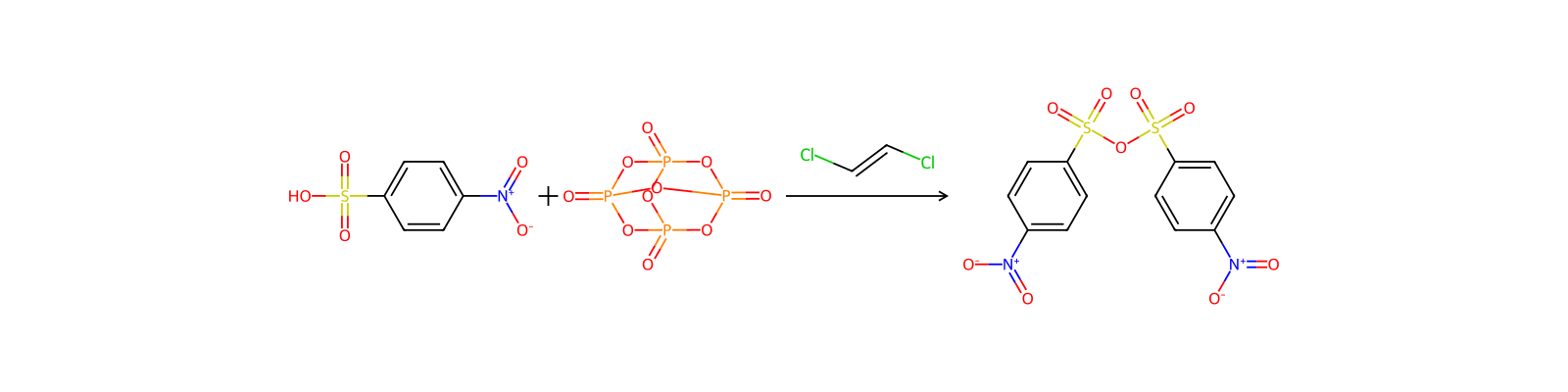
関連反応
48 件



関連ノート
読み込み中…