
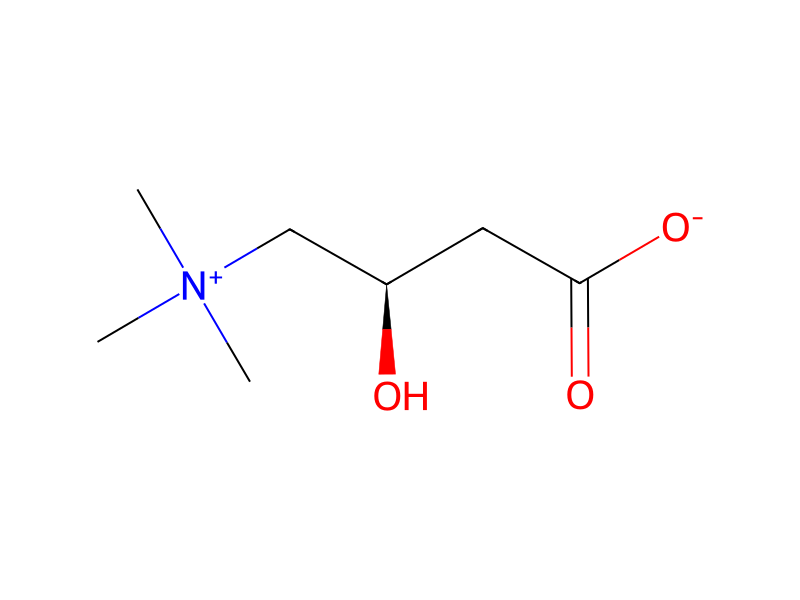
基本情報
- 標準SMILES
C[N+](C)(C)C[C@H](O)CC(=O)[O-]- InChIKey
PHIQHXFUZVPYII-ZCFIWIBFSA-N- 分子式
- C7H15NO3
- 平均分子量
- 161.2 g/mol
- 単同位体質量
- 161.10519334
概要
(R)-carnitine is the (R)-enantiomer of carnitine. It has a role as a water-soluble vitamin (role), an antilipemic drug, a nutraceutical, a nootropic agent and a Saccharomyces cerevisiae metabolite. It is a conjugate base of a (R)-carnitinium. It is an enantiomer of a (S)-carnitine.
名称と識別子
- 優先名称
- (-)-Carnitine
- IUPAC
- (3R)-3-hydroxy-4-(trimethylazaniumyl)butanoate
- 現地名
- L-カルニチン
- 英語名
- L-carnitine
- 分子式
- C7H15NO3
- 分子量
- 161.2
名称と別名
L-carnitineLevocarnitine541-15-1Carnitorvitamin BT(-)-Carnitine(-)-L-CarnitineL-(-)-CarnitineKarnitinLevocarnitinaCarniteneMetina
名称をさらに表示
L-カルニチンL-ビタミンBT(-)-カルニチン(R)-3-ヒドロキシ-4-(トリメチルアミニオ)ブチラートカルニチン(R)-3-カルボキシラト-2-ヒドロキシ-N,N,N-トリメチル-1-プロパンアミニウム(-)-ビタミンBT(-)-[(R)-3-カルボキシラト-2-ヒドロキシプロピル]トリメチルアミニウム(R)-N,N,N-トリメチル-3-カルボキシラト-2-ヒドロキシ-1-プロパンアミニウム(R)-カルニチンビタミンBT(-)-(3-カルボキシ-2-ヒドロキシプロピル)トリメチルアンモニウム分子内塩レボカルニチン[R,(-)]-3-ヒドロキシ-4-(トリメチルアミニオ)ブチラート(-)-L-カルニチン(R)-3-ヒドロキシ-4-(トリメチルアミニオ)酪酸アニオン(2R)-N,N,N-トリメチル-2-ヒドロキシ-3-カルボキシラト-1-プロパンアミニウム(R)-3-ヒドロキシ-4-(トリメチルアミニオ)ブタン酸アニオン[R,(-)]-3-カルボキシラト-2-ヒドロキシ-N,N,N-トリメチルプロパン-1-アミニウムL-(-)-カルニチンL-CARNITINE BASEL(-)-CARNITINED-CARNITINEL-CARNITIN(R)-3-Hydroxy-4-(trimethylammonio)butanoateL-carntineL-carnitine powder(S)-3-Hydroxy-4-(trimethylammonio)butanoate
Carnitine, (-)-LevocarnitinumCarnitoloCarnovisLefcar(3R)-3-hydroxy-4-(trimethylammonio)butanoateCarnitor SF(3R)-3-hydroxy-4-(trimethylazaniumyl)butanoate
データベース識別子
- CAS
541-15-1- PubChem CID
- 10917
- DTXSID
DTXSID4023208- ChEMBL
CHEMBL1149- ChEBI
CHEBI:16347- UNII
- 0G389FZZ9M
- EC Number
- 208-768-0
- Nikkaji
- J9.362I
物性
構造計算による物性
- XLogP
- -0.2
- 極性表面積
- 60.4 Ų
- 水素結合供与体数
- 1
- 水素結合受容体数
- 3
- 回転可能結合数
- 3
- 重原子数
- 11
- 形式電荷
- 0
- 複雑度
- 134
実験および物理化学的性質
Chemical ClassesBiological Agents -> Amino Acids and Derivatives
DrugsPharmaceuticals -> Used in Switzerland
CosmeticsCleansing; Foam boosting
Food AdditivesNUTRIENT SUPPLEMENT -> FDA Substance added to food
Color/FormWhite, crystalline, hygroscopic powder
SolubilityReadily soluble in water and hot alcohol. Practically insoluble in acetone, ether and benzene
Human Drugs
FDA approved drugs -> Active ingredient
FDA approved drugs -> Active ingredient
Melting Point
195-198
197 °C (dec)
Optical RotationThe specific optical rotation is between -29 and -32
Physical DescriptionHighly hygroscopic solid; [Merck Index] Crystalline solid; [Alfa Aesar MSDS]
Dissociation Constants3.8
Collision Cross Section
132.9 Ų [M+H]+ [CCS Type: DT; Method: single field calibrated with ESI Low Concentration Tuning Mix (Agilent)]
130 Ų [M+H]+ [CCS Type: TW; Method: calibrated with polyalanine]
133.1 Ų [M+H]+ [CCS Type: DT; Method: single field calibrated with Agilent tune mix (Agilent)]
132.9 Ų [M+H]+ [CCS Type: TW; Method: calibrated with polyalanine and drug standards]
物理化学的性質
- 融点
- 197 · 197-212 °C(lit.)
- 比旋光度
- -31 · -31 º (c=10, H2O)
- 沸点
- 287.5 °C · 287.5°C (rough estimate)
- 比重(密度)
- 0.64 g/cm3 · 0.64 g/cm3
- 屈折率
- -32 ° · -32 ° (C=1, H2O)
- 貯蔵温度
- 30 °C · Store below +30°C.
- 溶解性
- 2 O: · H2O: 0.1g/mL at20℃ 無色透明
- 外見
- 結晶または結晶性粉末
- 酸解離定数(Pka)
- 3.8 · 3.80(at 25℃)
- 色
- 白い
- PH
- 6.5 · 6.5-8.5 (50g/l, H2O)
- 由来生物
- synthetic
- 水溶解度
- 2500 g/L · 2500g/L(20℃)
- Merck
- 14 · 14,1849
- BRN
- 4292315 · 4292315
- 安定性
- 吸湿性
- 主な用途
- 細胞分析検査
- 化粧品成分の機能
- クレンジング界面活性剤 - 洗浄ヘアコンディショニング帯電防止界面活性剤 - 泡立ち促進剤スキンコンディショニング粘度制御
- InChI
- 1S/C7H15NO3/c1-8(2,3)5-6(9)4-7(10)11/h6,9H,4-5H2,1-3H3/t6-/m1/s1
- InChIKey
- PHIQHXFUZVPYII-ZCFIWIBFSA-N
- SMILES
- C[N+](C)(C)C[C@H](O)CC([O-])=O
- LogP
- -5.48 at · -5.48 at 20℃
- CAS データベース
- 541 · 541-15-1(CAS DataBase Reference)
化学的性質
化学的特性White or almost white, crystalline powder or colourless crystals, hygroscopic.
安全と法規制
GHS分類
GHS Classification
This chemical does not meet GHS hazard criteria for 10.5% (159 of 1511) of reports.
Warning
H315 (89.5%): Causes skin irritation [Warning Skin corrosion/irritation]
P264, P264+P265, P280, P302+P352, P305+P351+P338, P321, P332+P317, P337+P317, and P362+P364 (click each P-code to see the statement)
Aggregated GHS information provided per 1511 reports by companies from 15 notifications to the ECHA C&L Inventory. Each notification may be associated with multiple companies.
危険有害性情報
Regulatory Information
Chemical: 1-Propanaminium, 3-carboxy-2-hydroxy-N,N,N-trimethyl-, inner salt, (2R)-
Regulation (EC) No 1831/2003 (amended)
Status: Active Update: 04-05-2020 https://echa.europa.eu/registration-dossier/-/registered-dossier/30871
Carnitine: Does not have an individual approval but may be used under an appropriate group standard
Other Safety InformationEvaluation - Chemicals that are unlikely to require further regulation to manage risks to environment
Hazards SummaryMay cause irritation; [Alfa Aesar MSDS]
FDA Requirements
The Approved Drug Products with Therapeutic Equivalence Evaluations List identifies currently marketed prescription drug products, incl levocarnitine, approved on the basis of safety and effectiveness by FDA under sections 505 of the Federal Food, Drug, and Cosmetic Act.
Since 1994, dietary supplements have been regulated under the Dietary Supplement Health and Education Act (DSHEA). The DSHEA requires no proof of safety for dietary supplements on the market prior to October 15, 1994. Labeling requirements for such supplements allow warnings and dosage recommendations as well as substantiated "structure or function" claims. All claims must prominently note that they have not been evaluated by the FDA, and they must bear the statement "This product is not intended to diagnose, treat, cure, or prevent any disease".
Special ReportsThorne Research, Inc.; Monograph on L-Carnitine; Alternative Medicine Review 10(1) (2005). Available from: http://www.thorne.com/altmedrev/.fulltext/10/1/42.pdf as of February 25, 2008.
Hazard Classes and CategoriesSkin Irrit. 2 (89.5%)
安全と保護具
Disposal Methods
SRP: At the time of review, criteria for land treatment or burial (sanitary landfill) disposal practices are subject to significant revision. Prior to implementing land disposal of waste residue (including waste sludge), consult with environmental regulatory agencies for guidance on acceptable disposal practices.
毒性情報
Interactions
... The present study aimed to investigate whether an increase in whole body carnitine retention can be achieved through L-carnitine feeding in conjunction with a dietary-induced elevation in circulating insulin. On two randomized visits (study A), eight men ingested 3 g/day L-carnitine followed by 4 x 500-mL solutions, each containing flavored water (Con) or 94 g simple sugars (glucose syrup; CHO). In addition, 14 men ingested 3 g/day L-carnitine followed by 2 x 500 mL of either Con or CHO for 2 wk (study B). Carbohydrate ingestion in study A resulted in a fourfold greater serum insulin area under the curve when compared with Con (P < 0.001) and in a lower plasma TC concentration throughout the CHO visit (P < 0.05). Twenty-four-hour urinary TC excretion in the CHO visit was lower than in the Con visit in study A (155.0 +/- 10.7 vs. 212.1 +/- 17.2 mg; P < 0.05). In study B, daily urinary TC excretion increased after 3 days (65.9 +/- 18.0 to 281.0 +/- 35.0 mg; P < 0.001) and remained elevated throughout the Con trial. During the CHO trial, daily urinary TC excretion increased from a similar basal value of 53.8 +/- 9.2 to 166.8 +/- 17.3 mg after 3 days (P < 0.01), which was less than during the Con trial (P < 0.01), and it remained lower over the course of the study (P < 0.001). The difference in plasma TC concentration in study A and 24-h urinary TC excretion in both studies suggests that insulin augmented the retention of carnitine in the CHO trials.
... The effect of the anti-cancer drug carboplatin on plasma concentrations and urinary excretion of L-carnitine (LC) and its main ester, acetyl-L-carnitine (ALC), in cancer patients /was examined/. ... Treatment with carboplatin was associated with a marked urinary loss of LC and ALC, most likely due to inhibition of carnitine reabsorption in the kidney.
... The rats were divided into four groups: group 1, control (0.9% NaCl); group 2, doxorubicin (DOX) injection (7.5 mg/kg, i.v.); group 3, DOX plus low dose (40 mg/kg) L-carnitine; and group 4, DOX plus high dose (200 mg/kg) L-carnitine. L-carnitine was administered 1 h before doxorubicin injection and daily thereafter for 15 days. ... Rats in group 2 were associated with hypoalbuminemia, hyperlipidemia, high urinary excretion of protein and elevated plasma creatinine and urea nitrogen. The glomerular filtration rate (GFR) and effective renal plasma flow (ERPF) decreased with increased renal vascular resistance (RVR). Kidney catalase (CAT) activity was decreased. In group 3 and 4, plasma triglyceride and cholesterol declined. L-carnitine improved renal functions by elevated GFR and ERPF and decreased plasma creatinine and urea nitrogen. The kidney CAT activity were increased significantly compared with group 2. From histopathological results, group 2 rats were found to have glomerular capillary dilation and tubular dilation. The lesions were less in group 3 and 4 rats...
... Recent literature documents no cases of allergic reactions or serious side effects associated with the administration of carnitine when given patients with acute ingestions of valproic acid. Other findings suggest that carnitine increases the survival rate of patients who develop valproic-acid-induced hepatotoxicity. Early intervention with iv rather than enteral L-carnitine was associated with the greatest hepatic survival. Isolated pediatric case reports show that carnitine administration may reverse toxic metabolic pathways but may not hasten clinical improvement. .../Carnitine/
For more Interactions (Complete) data for L-CARNITINE (17 total), please visit the HSDB record page.
Exposure RoutesIntravenous, Oral.
Absolute bioavailability is 15% (tablets or solution).
Time to maximum plasma concentration was found to be 3.3 hours.
Toxicity Summary
Levocarnitine can be synthesised within the body from the amino acids lysine or methionine. Vitamin C (ascorbic acid) is essential to the synthesis of carnitine. Levocarnitine is a carrier molecule in the transport of long chain fatty acids across the inner mitochondrial membrane. It also exports acyl groups from subcellular organelles and from cells to urine before they accumulate to toxic concentrations. Only the L isomer of carnitine (sometimes called vitamin BT) affects lipid metabolism. Levocarnitine is handled by several proteins in different pathways including carnitine transporters, carnitine translocases, carnitine acetyltransferases and carnitine palmitoyltransferases.
Signs and SymptomsAdverse effects include hypertension, fever, tachycardia and seizures.
Natural Pollution Sources
L-Carnitine is a naturally occurring compound that facilitates the transport of fatty acids into mitochondria for beta-oxidation. ... In humans, the endogenous carnitine pool, which comprises free L-carnitine and a range of short-, medium- and long-chain esters, is maintained by absorption of L-carnitine from dietary sources, biosynthesis within the body and extensive renal tubular reabsorption from glomerular filtrate.
Human Toxicity Excerpts
/SIGNS AND SYMPTOMS/ At doses of approximately 3 grams/day, carnitine supplements may cause nausea, vomiting, abdominal cramps, diarrhea, and a "fishy" body odor. More rare side effects include muscle weakness in uremic patients and seizures in those with seizure disorders. /Carnitine/
/SIGNS AND SYMPTOMS/ Mild myasthenia has been reported in uremic patients taking the racemic mixture D,L-carnitine. /D,L-carnitine/
/ALTERNATIVE and IN VITRO TESTS/ In Hela cells, L-carnitine reduced glucocorticoid receptor-alpha affinity for its steroid ligand, and triggered nuclear translocation of the receptor. It suppressed glucocorticoid receptor-mediated tumor necrosis factor-alpha and interleukin-12 release by human primary monocytes stimulated with lipopolysaccharide ex vivo. All the these effects of L-carnitine were concentration dependent.
/ALTERNATIVE and IN VITRO TESTS/ ... Whether addition of L-carnitine altered the tumor cytotoxic effects of epirubicin /was determined/ using a number of in vitro cell viability assays in different breast cancer cell lines including BT549, MDA-MB-435, NCI-ADR-RES, MCF7 and T47D. Additionally ... the ability of cells to respond to L-carnitine following analysis of the expression of carnitine metabolic enzymes by RT-PCR /was investigated/. ... Supplementation with L-carnitine had no effect on the ability of epirubicin to kill a variety of breast cancer cell lines. Additionally, no differences in the induction of apoptosis by epirubicin were observed. Furthermore, all cell lines examined expressed proteins required for carnitine uptake and use. ... These results suggest that supplementation with L-carnitine in patients undergoing epirubicin treatment could be safely used to reduce associated cardiotoxicities without fear that the efficacy of chemotherapy is jeopardized.
For more Human Toxicity Excerpts (Complete) data for L-CARNITINE (6 total), please visit the HSDB record page.
Carcinogen ClassificationNo indication of carcinogenicity to humans (not listed by IARC).
Drug Induced Liver Injury
Drug Induced Liver Injury Rank (DILIrank 2.0)
Levocarnitine
vNo-DILI-concern
0
No match
DOI:10.1016/j.drudis.2016.02.015
Non-Human Toxicity Excerpts
/LABORATORY ANIMALS: Subchronic or Prechronic Exposure/ ... Normotensive, Wistar-Kyoto rats.... (n = 20) were orally administered 0.2 g carnitine/kg body weight per day for a total period of 8 weeks. Kinetic parameters of L-carnitine uptake were calculated by non-linear regression, and the relative abundance of the carnitine transporter, OCTN2, was determined by Western blot analysis. ... Initial rates and maximal overshoot levels of Na+-dependent L-carnitine transport were significantly reduced in BBMVs from L-carnitine-treated rats compared with untreated animals. Similarly, the maximal transport rate (Vmax) of OCTN2 was lower in treated rats. However, no differences were observed in the Michaelis constant (Km) or the diffusion constant (Kd) between the two groups of animals. The amount of OCTN2 protein was also decreased in L-carnitine-fed rats, this reduction being similar to that of the Vmax. These results were accompanied by an increase in the serum levels and also in the renal excretion of both free and esterified carnitine in treated rats, indicating that the long-term administration of L-carnitine leads to increased renal carnitine clearance. ... These findings suggest a downregulation of OCTN2 at the renal level, in the presence of high levels of carnitine.
/LABORATORY ANIMALS: Developmental or Reproductive Toxicity/ Reproductive studies have been performed in rats and rabbits at doses up to 3.8 times the human doses used for the treatment of primary and secondary L-carnitine deficiency on the basis of surface area and have revealed no evidence of impaired fertility or harm to the fetus due to L-carnitine.
/ALTERNATIVE and IN VITRO TESTS/ ... Calf lens tissue was incubated with both L-carnitine and acetyl-L-cartinine (ALC) for 15 days. The results showed that while L-carnitine had no effect on in vitro glycation, acetyl-L-carnitine decreased crystallin glycation by 42 percent.
/GENOTOXICITY/ Mutagenicity data indicate no mutagenicity ...
Populations at Special Risk
Precautions: ... There are no adequate and well-controlled studies in pregnant women ... Supplemental L-carnitine should be used by pregnant women only if clearly indicated and only under medical supervision. It is not known whether L-carnitine is excreted in human milk. Supplemental L-carnitine is not advised for nursing mothers.Those with seizure disorders should only used L-carnitine under medical advisement and supervision.
Environmental Water Concentrations
While data specific to L-carnitine were not located(SRC, 2008), the literature suggests that some pharmaceutically active compounds originating from human and veterinary therapy are not eliminated completely in municipal sewage treatment plants and are therefore discharged into receiving waters(1). Wastewater treatment processes often were not designed to remove them from the effluent(2). Selected organic waste compounds may be degrading to new and more persistent compounds that may be released instead of or in addition to the parent compound(2). Studies have indicated that several polar pharmaceutically active compounds can leach through subsoils into aquifers(1).
Antidote and Emergency Treatment
Treatment of overdose: To enhance elimination: Removing levocarnitine from plasma via hemodialysis. Supportive care: Treatment is symptomatic and supportive.
/SRP:/ Immediate first aid: Ensure that adequate decontamination has been carried out. If patient is not breathing, start artificial respiration, preferably with a demand valve resuscitator, bag-valve-mask device, or pocket mask, as trained. Perform CPR if necessary. Immediately flush contaminated eyes with gently flowing water. Do not induce vomiting. If vomiting occurs, lean patient forward or place on the left side (head-down position, if possible) to maintain an open airway and prevent aspiration. Keep patient quiet and maintain normal body temperature. Obtain medical attention. /Poisons A and B/
/SRP:/ Basic treatment: Establish a patent airway (oropharyngeal or nasopharyngeal airway, if needed). Suction if necessary. Watch for signs of respiratory insufficiency and assist ventilations if needed. Administer oxygen by nonrebreather mask at 10 to 15 L/min. Monitor for pulmonary edema and treat if necessary ... . Monitor for shock and treat if necessary ... . Anticipate seizures and treat if necessary ... . For eye contamination, flush eyes immediately with water. Irrigate each eye continuously with 0.9% saline (NS) during transport ... . Do not use emetics. For ingestion, rinse mouth and administer 5 mL/kg up to 200 mL of water for dilution if the patient can swallow, has a strong gag reflex, and does not drool ... . Cover skin burns with dry sterile dressings after decontamination ... . /Poisons A and B/
/SRP:/ Advanced treatment: Consider orotracheal or nasotracheal intubation for airway control in the patient who is unconscious, has severe pulmonary edema, or is in severe respiratory distress. Positive-pressure ventilation techniques with a bag valve mask device may be beneficial. Consider drug therapy for pulmonary edema ... . Consider administering a beta agonist such as albuterol for severe bronchospasm ... . Monitor cardiac rhythm and treat arrhythmias as necessary ... . Start IV administration of D5W /SRP: "To keep open", minimal flow rate/. Use 0.9% saline (NS) or lactated Ringer's if signs of hypovolemia are present. For hypotension with signs of hypovolemia, administer fluid cautiously. Watch for signs of fluid overload ... . Treat seizures with diazepam or lorazepam ... . Use proparacaine hydrochloride to assist eye irrigation ... . /Poisons A and B/
法規制情報
FDA Requirements
The Approved Drug Products with Therapeutic Equivalence Evaluations List identifies currently marketed prescription drug products, incl levocarnitine, approved on the basis of safety and effectiveness by FDA under sections 505 of the Federal Food, Drug, and Cosmetic Act.
Since 1994, dietary supplements have been regulated under the Dietary Supplement Health and Education Act (DSHEA). The DSHEA requires no proof of safety for dietary supplements on the market prior to October 15, 1994. Labeling requirements for such supplements allow warnings and dosage recommendations as well as substantiated "structure or function" claims. All claims must prominently note that they have not been evaluated by the FDA, and they must bear the statement "This product is not intended to diagnose, treat, cure, or prevent any disease".
安全データ
- F
- 3-10
- wgk
- 3
- rtecs
- BP2980000
- 毒性
- LD50 orally in Rabbit: > 5000 mg/kg
- hs_code
- 29239000
- risk_code
- 36/37/38
- 化審法
- (9)-1634
- hazard_code
- Xi
- hazard_note
- Irritant
- safety_code
- 26-36-37/39
- 自然発火温度
- >365 °C
- ストレージクラス
- 11 - Combustible Solids
- 有毒物質データの
- 541-15-1(Hazardous Substances Data)
化学と産業
薬理情報
ATC Code
A16AA01
A - Alimentary tract and metabolism
QA - Alimentary tract and metabolism
Bionecessity
L-Carnitine participates in a reversible transesterification reaction, in which an acyl group is transferred from coenzyme A to the hydroxyl group of L-carnitine ... /This reaction facilitates the/ transfer of long-chain fatty acids from cytoplasm ... /and/ chain-shortened /very-long-chain/ fatty acids from peroxisomes to mitochondria /and the/ modulation of the acyl-CoA/CoA ratio in cellular compartments.
L-Carnitine and extramitochondrial carnitine palmitoyltransferase (CPT, /catalyzing transesterification between coenzyme A and L-carnitine/) are important modulators of long-chain fatty acid utilization for membrane phospholipid biosynthesis and remodeling. L-Carnitine acts as a reservoir of long-chain fatty acids for incorporation into erythrocyte membrane phospholipids during repair after oxidative insults, and for use in the synthesis of dipalmitoylphosphatidylcholine, the major component of surfactant, in lung alveolar cells.
Although L-carnitine is supplied exogenously as a component of the diet and can also be synthesized endogenously, evidence suggests both primary and secondary deficiencies do occur. Carnitine deficiency can be acquired or a result of inborn errors of metabolism. Pre-term infants are at risk for developing a carnitine deficiency due to impaired synthesis and insufficient renal tubular resorption. Deficiency can result in cardiomyopathy, congestive heart failure, encephalopathy, hepatomegaly, impaired growth and development in infants, and neuromuscular disorders. Primary carnitine deficiency, although rare, is characterized by low plasma, red blood cell, and tissue levels of carnitine, and generally presents with symptoms such as muscle fatigue, cramps, and myoglobinemia following exercise. Additional symptoms of chronic carnitine deficiency can include hypoglycemia, progressive myasthenia, hypotonia, or lethargy. Secondary carnitine deficiency is not as rare and is most commonly associated with dialysis in chronic renal failure, although it can also be induced by intestinal resection, severe infection, and liver disease. Other conditions associated with a carnitine deficiency include cancer, diabetes, Alzheimer's disease, and heart failure. Pathological manifestations of chronic deficiency include accumulation of neutral lipid within skeletal muscle, cardiac muscle, and liver; a disruption of muscle fibers; and an accumulation of large aggregates of mitochondria within skeletal and smooth muscle.
HIV-infected individuals often accumulate fat in some areas of the body and lose fat in others and develop high levels of blood fats (hyperlipidemia) and insulin resistance, which together constitute the lipodystrophy syndrome. This syndrome may represent mitochondrial toxicity brought about by the HIV infection and the antiretroviral drugs used to treat it, and can induce a carnitine deficiency that limits mitochondrial fat metabolism. /Carnitine/
For more Bionecessity (Complete) data for L-CARNITINE (16 total), please visit the HSDB record page.
Protein BindingNone
Pharmacodynamics
Levocarnitine is a carrier molecule in the transport of long chain fatty acids across the inner mitochondrial membrane. It also exports acyl groups from subcellular organelles and from cells to urine before they accumulate to toxic concentrations. Lack of carnitine can lead to liver, heart, and muscle problems. Carnitine deficiency is defined biochemically as abnormally low plasma concentrations of free carnitine, less than 20 µmol/L at one week post term and may be associated with low tissue and/or urine concentrations. Further, this condition may be associated with a plasma concentration ratio of acylcarnitine/levocarnitine greater than 0.4 or abnormally elevated concentrations of acylcarnitine in the urine. Only the L isomer of carnitine (sometimes called vitamin BT) affects lipid metabolism. The "vitamin BT" form actually contains D,L-carnitine, which competitively inhibits levocarnitine and can cause deficiency. Levocarnitine can be used therapeutically to stimulate gastric and pancreatic secretions and in the treatment of hyperlipoproteinemias.
Mechanism of Action
Levocarnitine can be synthesised within the body from the amino acids lysine or methionine. Vitamin C (ascorbic acid) is essential to the synthesis of carnitine. Levocarnitine is a carrier molecule in the transport of long chain fatty acids across the inner mitochondrial membrane. It also exports acyl groups from subcellular organelles and from cells to urine before they accumulate to toxic concentrations. Only the L isomer of carnitine (sometimes called vitamin BT) affects lipid metabolism. Levocarnitine is handled by several proteins in different pathways including carnitine transporters, carnitine translocases, carnitine acetyltransferases and carnitine palmitoyltransferases.
L-Carnitine is a peripheral antagonist of thyroid hormone action in some tissues. It inhibits thyroid hormone entry into cell nuclei. In a controlled clinical trial, L-carnitine was shown to reverse or prevent some symptoms of hyperthyroidism.
... Mortality and metabolic consequences of acute ammonium intoxication in mice are reduced by pharmacologic admin of L-carnitine. The mechanism for this effect may have 2 components. L-Carnitine admin normalizes the redox state of the brain (perhaps by incr the avail of beta-hydroxybutyrate and/or acetyl-L-carnitine to the brain), and it incr the rate of urea synth in the liver, perhaps in part by activation of the glucocorticoid receptor. At least part of the protective effect is associated with flux through the carnitine acyltransferases, as analogs of L-carnitine that are competitive inhibitors of carnitine acyltransferases enhance the toxicity of acute ammonium admin. Thus, it has been proposed that L-carnitine incr urea synth in the liver by facilitating fatty acid entry into mitochondria, leading to incr flux through the beta-oxidation pathway, an incr of intramitochondrial reducing equivalents, and enhancement of ATP production. ...
Levocarnitine is necessary for normal mammalian fat utilization and energy metabolism. It facilitates entry of long-chain fatty acids into cellular mitochondria, where they are used during oxidation and energy production. It also exports acyl groups from subcellular organelles and from cells to urine before they accumulate to toxic concentrations.
Carnitine's primary mechanism of action is apparently attributable to its role as a cofactor in the transformation of free long-chain fatty acids into acylcarnitines for subsequent transport into the mitochondrial matrix. Carnitine is involved in the metabolism of ketones for energy and the conversion of branched-chain amino acids - valine, leucine, and isoleucine - into energy. /Carnitine/
L-Carnitine participates in a reversible transesterification reaction, in which an acyl group is transferred from coenzyme A to the hydroxyl group of L-carnitine ... /This reaction facilitates the/ transfer of long-chain fatty acids from cytoplasm ... /and/ chain-shortened /very-long-chain/ fatty acids from peroxisomes to mitochondria /and the/ modulation of the acyl-CoA/CoA ratio in cellular compartments.
Biological Half-Life
17.4 hours (elimination) following a single intravenous dose.
Distribution: 0.585 hours; Elimination: 17.4 hours
... Half-life /in blood/ ca 15 hr ...
Metabolism/Metabolites
After oral administration L-carnitine which is unabsorbed is metabolized in the gastrointestinal tract by bacterial microflora. Major metabolites include trimethylamine N-oxide and [3H]-gamma-butyrobetaine.
In mammals, L-carnitine is synthesized from epsilon-N-trimethyllysine, which is derived from post-translationally methylated lysine residues in proteins, and protein turnover. In normal humans, the rate of synth is est to be ca 1.2 umol/kg/day. The rate of L-carnitine biosynth is regulated by the avail of epsilon-N-trimethyllysine. Thus, conditions that incr protein methylation and/or protein turnover may incr the rate of L-carnitine biosynth.
Synthesis of carnitine begins with methylation of the amino acid L-lysine by S-adenosylmethionine (SAMe). Magnesium, vitamin C, iron, vitamins B3 and B6, and alpha-ketoglutarate - along with the cofactors responsible for creating SAMe (methionine, folic acid, vitamin B12, and betaine) - are all required for endogenous carnitine synthesis.
Unabsorbed L-carnitine is degraded by micro-organisms in the large intestine. Major metabolites identified are trimethylamine oxide in urine and gamma-butyrobetaine in feces.
Carnitine plays an indispensable role in fatty acid oxidation. Previous studies revealed that fetal carnitine is derived from the mother via transplacental transfer. Recent studies demonstrated the presence and importance of an active fatty acid oxidation system in the human placenta and in the human fetus. In view of these findings ... carnitine metabolism /was studied/ in the fetal-placental unit by measuring carnitine metabolites, intermediary metabolites of carnitine biosynthesis, as well as the activity of carnitine biosynthesis enzymes in human term placenta, cord blood and selected embryonic and fetal tissues (5-20 weeks of development). Placenta contained low but detectable activity of gamma-butyrobetaine dioxygenase. This enzyme, which was considered to be expressed only in kidney, liver and brain, catalyzes the last step in the carnitine biosynthesis pathway. In addition, ... human fetal kidney, liver and spinal cord already have the capacity to synthesize carnitine. The ability of the placenta and fetus to synthesize carnitine suggests that in circumstances when maternal carnitine supply is limited, carnitine biosynthesis by the fetal-placental unit may supply sufficient carnitine for placental and fetal metabolism. /Carnitine/
For more Metabolism/Metabolites (Complete) data for L-CARNITINE (7 total), please visit the HSDB record page.
FDA Pharmacological Classification
0G389FZZ9M
LEVOCARNITINE
Chemical Structure [CS] - Carnitine
Established Pharmacologic Class [EPC] - Carnitine Analog
Levocarnitine is a Carnitine Analog.
LEVOCARNITINE
Absorption, Distribution and Excretion
Absolute bioavailability is 15% (tablets or solution). Time to maximum plasma concentration was found to be 3.3 hours.
Following a single intravenous dose, 73.1 +/- 16% of the dose was excreted in the urine during the 0-24 hour interval. Post administration of oral carnitine supplements, in addition to a high carnitine diet, 58-65% of the administered radioactive dose was recovered from urine and feces in 5-11 days.
The steady state volume of distribution (Vss) of an intravenously administered dose, above endogenous baseline levels, was calculated to be 29.0 +/- 7.1L. However this value is predicted to be an underestimate of the true Vss.
Total body clearance was found to be a mean of 4L/h.
L-Carnitine is a naturally occurring compound that facilitates the transport of fatty acids into mitochondria for beta-oxidation. ... In humans, the endogenous carnitine pool, which comprises free L-carnitine and a range of short-, medium- and long-chain esters, is maintained by absorption of L-carnitine from dietary sources, biosynthesis within the body and extensive renal tubular reabsorption from glomerular filtrate. In addition, carrier-mediated transport ensures high tissue-to-plasma concentration ratios in tissues that depend critically on fatty acid oxidation. The absorption of L-carnitine after oral administration occurs partly via carrier-mediated transport and partly by passive diffusion. After oral doses of 1-6 g, the absolute bioavailability is 5-18%. In contrast, the bioavailability of dietary L-carnitine may be as high as 75%. Therefore, pharmacological or supplemental doses of L-carnitine are absorbed less efficiently than the relatively smaller amounts present within a normal diet. L-Carnitine and its short-chain esters do not bind to plasma proteins and, although blood cells contain L-carnitine, the rate of distribution between erythrocytes and plasma is extremely slow in whole blood. After iv administration, the initial distribution volume of L-carnitine is typically about 0.2-0.3 L/kg, which corresponds to extracellular fluid volume. There are at least three distinct pharmacokinetic compartments for L-carnitine, with the slowest equilibrating pool comprising skeletal and cardiac muscle. L-Carnitine is eliminated from the body mainly via urinary excretion. Under baseline conditions, the renal clearance of L-carnitine (1-3 mL/min) is substantially less than glomerular filtration rate (GFR), indicating extensive (98-99%) tubular reabsorption. The threshold concentration for tubular reabsorption (above which the fractional reabsorption begins to decline) is about 40-60 umol/L, which is similar to the endogenous plasma L-carnitine level. Therefore, the renal clearance of L-carnitine increases after exogenous administration, approaching GFR after high iv doses. ...
In mammals, the carnitine pool consists of nonesterified L-carnitine and many acylcarnitine esters. Of these esters, acetyl-L-carnitine is quantitatively and functionally the most significant. Carnitine homeostasis is maintained by absorption from diet, a modest rate of synthesis, and efficient renal reabsorption. Dietary L-carnitine is absorbed by active and passive transfer across enterocyte membranes. Bioavailability of dietary L-carnitine is 54-87% and is dependent on the amount of L-carnitine in the meal. Absorption of L-carnitine dietary supplements (0.5-6 g) is primarily passive; bioavailability is 14-18% of dose. Unabsorbed L-carnitine is mostly degraded by microorganisms in the large intestine. Circulating L-carnitine is distributed to two kinetically defined compartments: one large and slow-turnover (presumably muscle), and another relatively small and rapid-turnover (presumably liver, kidney, and other tissues). At normal dietary L-carnitine intake, whole-body turnover time in humans is 38-119 hr. In vitro experiments suggest that acetyl-L-carnitine is partially hydrolyzed in enterocytes during absorption. In vivo, circulating acetyl-L-carnitine concentration was increased 43% after oral acetyl-L-carnitine supplements of 2 g/day, indicating that acetyl-L-carnitine is absorbed at least partially without hydrolysis. After single-dose intravenous administration (0.5 g), acetyl-L-carnitine is rapidly, but not completely hydrolyzed, and acetyl-L-carnitine and L-carnitine concentrations return to baseline within 12 h. At normal circulating l-carnitine concentrations, renal l-carnitine reabsorption is highly efficient (90-99% of filtered load; clearance, 1-3 mL/min), but displays saturation kinetics. Thus, as circulating L-carnitine concentration increases (as after high-dose intravenous or oral administration of L-carnitine), efficiency of reabsorption decreases and clearance increases, resulting in rapid decline of circulating L-carnitine concentration to baseline. Elimination kinetics for acetyl-L-carnitine are similar to those for L-carnitine. There is evidence for renal tubular secretion of both L-carnitine and acetyl-L-carnitine. ...
用途と製造
Uses
An essential cofactor in fatty acid metabolism; Highest concentrations in red meat, dairy, beans, and avocado; Used as a vitamin; [Merck Index]
Used to treat carnitine deficiency
Used therapeutically for myocardial injury after ischemia and reperfusion by counteracting the toxic effect of high levels of free fatty acids, which occur in ischemia, and by improving carbohydrate metabolism
Use (kg; approx.) in Germany (2009): >1000
For treatment of primary systemic carnitine deficiency, a genetic impairment of normal biosynthesis or utilization of levocarnitine from dietary sources, or for the treatment of secondary carnitine deficiency resulting from an inborn error of metabolism such as glutaric aciduria II, methyl malonic aciduria, propionic acidemia, and medium chain fatty acylCoA dehydrogenase deficiency. Used therapeutically to stimulate gastric and pancreatic secretions and in the treatment of hyperlipoproteinemias. Parenteral levocarnitine is indicated for the prevention and treatment of carnitine deficiency in patients with end-stage renal disease.
Methods of ManufacturingEnantioselective synthesis from glycerol
Formulations/Preparations
Levocarnitine oral solution USP: 100 mg/mL (Carnitor). Levocarnitine tablets USP: 330 mg (Carnitor). Levocarnitine injection: 200 mg/mL (Carnitor).
L-carnitine is avail in a few forms: oral L-carnitine ... iv L-carnitine, acetyl-L-carnitine, propionyl-L-carnitine. The avail salts ... are L-carnitine HCL, L-carnitine tartrate and L-carnitine fumarate ... /Supplied in/ capsules, injection, liquid, solution, tablets, wafer
Trade names: Carnitor ... Carnitine-300 ... Carni Fuel ... Mega L-Carnitine ... Maximal Burner Carnitine ... Proxeed ...
Use ClassificationCosmetics -> Cleansing; Foam boosting
応用分野
解説(R)-3-hydroxy-4-trimethylammoniobutanoate.C7H15NO3(161.20).ビタミン BT ともいう.β-ヒドロキシ-γ-ベタインの一つ.ほとんどすべての生物,各組織に存在するが,動物では副睾丸に高濃度に存在する.エピクロロヒドリンにシアン化カリウム,トリエチルアミンを順次反応させカルニチンニトリルとし,加水分解後光学分割する.吸湿性が大きい.分解点196~198 ℃.[α]D-31.3°(水).カルニチンは,アシル補酵素Aと反応してアシルカルニチンとなり,これがミトコンドリアによる脂肪酸の酸化に際して,膜を通ってアシル基を運搬するものと考えられている。先天性代謝異常のためカルニチンが不足する欠乏症がある。ミトコンドリア内膜でアシル基転移の担体として機能し,生成した長鎖脂肪酸のアシルCoAのマトリックス内におけるβ-酸化を可能にする.塩酸塩は消化機能低下の治療薬に使われる.LD50 6690 mg/kg(雄マウス,経口).森北出版「化学辞典(第2版)
天然物の起源Synthetic. It is found in its natural state in food
使用L-Carnitine is a natural, vitamin-like nutrient wich plays an important role inhuman metabolism. It is essential in the utilization of fatty acids and in transporting metabolic energy
一般的な説明Pharmaceutical secondary standards for application in quality control provide pharma laboratories and manufacturers with a convenient and cost-effective alternative to the preparation of in-house working standards.Levocarnitine is a naturally available compound that plays a significant role in fatty acid oxidation and energy production in the human body. It is majorly found in skeletal and cardiac muscles of mammals and facilitates the transport of long chain fatty acids into mitochondria.
使用用途カルニチンは、人体においては脂質の代謝に関与する物質です。そのため、近年ではサプリメントとして広く用いられています。ただし、健康な小児および成人は、1日に必要なカルニチンを肝臓および腎臓で十分に合成できるとされています。 一方で、カルニチン欠乏症に対しては医薬品として認可されている物質です。経口投与や静脈投与を行う医薬品として用いられます。カルニチン欠乏症の原因としては、食事などの要因による摂取不足、腎不全や肝不全などの生合成不足、人工透析や下痢などによる過剰喪失、医薬品の副作用などがあります。 生体内物質であることから、その他には生化学などの分野で研究開発用試薬などに用いられます。
調製方法
純化方法The S(L) isomer is levocarnitine, Vitamin B7. The R or S isomers crystallise from EtOH/Me2CO (hygroscopic). The R or S hydrochlorides crystallise from hot EtOH or EtOH/Et2O and have m 142o(dec). The RS-isomer crystallises from hot EtOH (hygroscopic). The RS hydrochloride crystallises in needles from hot EtOH and has m 196o(dec). [(±) Mazzetti & Lemmon J Org Chem 22 228 1957, Beilstein 4 H 513, 4 I 548, 4 II 937-8, 4 III 1632-5, 4 IV 3185.]
上流・下流製品情報
上流原料
下流製品
サプライヤー50 社
国药集团化学试剂有限公司86-21-63210123 · [email protected]
北京华美互利生物化工010-56205725 · [email protected]
梯希爱(上海)化成工业发展有限公司021-67121386 · [email protected]
衢州润东化工有限公司0570-8789886 18892685668 · [email protected]
上海阿拉丁生化科技股份有限公司400-6206333 13167063860 · [email protected]
河北创之源生物科技有限公司13012111162
INTATRADE GmbH+49 3493/605464 · [email protected]
郑州裕和食品添加剂有限公司0371-56060979 13838386843
陕西晨明生物科技有限公司15529026321
T&W GROUP021-61551611 13296011611 · [email protected]
江苏能越新材料科技有限公司13376001577 · [email protected]
上海如吉生物科技发展有限公司+86-21-65211385-8001 36031160 · [email protected]
科瑞迪化学400-821-5857 021-64326257 · [email protected]
上海迈瑞尔生化科技有限公司4006356688 18621169109 · [email protected]
大连美仑生物技术有限公司0411-62910999 13889544652 · [email protected]
阿法埃莎(中国)化学有限公司400-6106006 · [email protected]
太原市瑞和丰科贸有限公司+86 351 7031519 · [email protected]
安耐吉化学&3A(安徽泽升科技股份有限公司)400-0056266 · [email protected]
河北鸿韬生物工程有限公司15512737321
浙江海洲制药有限公司0576-88221739 · [email protected]
上海瀚鸿科技股份有限公司021-54306202 13764082696 · [email protected]
上海柯维化学技术有限公司021-64609169 18901607656 · [email protected]
成都普菲德生物技术有限公司028-82610909 13388174823 · [email protected]
上海景颜化工科技有限公司13817811078 · [email protected]
嘉兴市艾森化工有限公司0573-85285100 18627885956 · [email protected]
Pure Chemistry Scientific Inc.001-857-928-2050 or 1-888-588-9418 · [email protected]
张家港市思普生化有限公司512-0512-58992291,58992287 18606280718 · [email protected]
MedChemexpress LLC021-58955995 · [email protected]
孝感深远化工有限公司15527621225; 15527621225 · [email protected]
云南西力生物技术股份有限公司0871-65217109 · [email protected]
Beckmann-Kenko GmbH+49 4241 9308 88 · [email protected]
上海贝美医药科技有限公司21-33738120 15000110506 · [email protected]
山东西亚化学有限公司13355009207 13355009207 · [email protected]
四川库利南科技有限公司400-1166-196 18981987031 · [email protected]
深圳市飞鸣科技有限公司0755-85232577 · [email protected]
天津希恩思生化科技有限公司400 638 7771 · [email protected]
湖南汇百侍生物科技有限公司0731-85526065 13308475853 · [email protected]
斯百全化学(上海)有限公司021-021-021-67601398-809-809-809 15221380277 · [email protected]
上海源叶生物科技有限公司13636370518 · [email protected]
艾科试剂4008-755-333 18080918076 · [email protected]
上海思域化工科技有限公司86-21-34053660 · [email protected]
西安康培基生物科技有限公司86-029-85456576 · [email protected]
赛默飞世尔科技(中国)有限公司800-810-5118 · [email protected]
纽卜特贸易(上海)有限公司021-61630391 · [email protected]
北京伊诺凯科技有限公司400-810-7969 010-59572699 · [email protected]
Wuhan NCE Biomedical Co.,Ltd.4000-027-021 |24 +86-13986109188 | +86-15623472865 | +81-08033611988
江苏艾康生物医药研发有限公司025-66113011 13913916777 · [email protected]
TCI AMERICA800-4238616 · [email protected]
TOKYO CHEMICAL INDUSTRY CO., LTD.03-36680489 · [email protected]
TCI Europe320-37350700 · [email protected]
補足説明
定義本品は、次の化学式で表されるヒドロキシベタインである。
定義L-カルニチンは,動物界に広く分布する塩基性物質で,正式名称はγ‐トリメチルアンモニウム‐β‐ヒドロキシ酪酸,構造は(CH3)3-N+-CH2-CH(OH)-CH2-COOH。ビタミンBrとも呼ばれ水溶性の成長因子。筋肉や肝臓から抽出精製される。広範な分布からその生理的重要性が注目されてきたが,鳥類,哺乳類ではγ‐アミノ酪酸から生合成されるためにその意義がなかなか理解されなかった。フレンケルG.Fraenkelらによってコメゴミムシダマシの必須成長因子として同定されて(1947)以来その生体内での機能がわかってきた。
定義ChEBI: The (R)-enantiomer of carnitine.
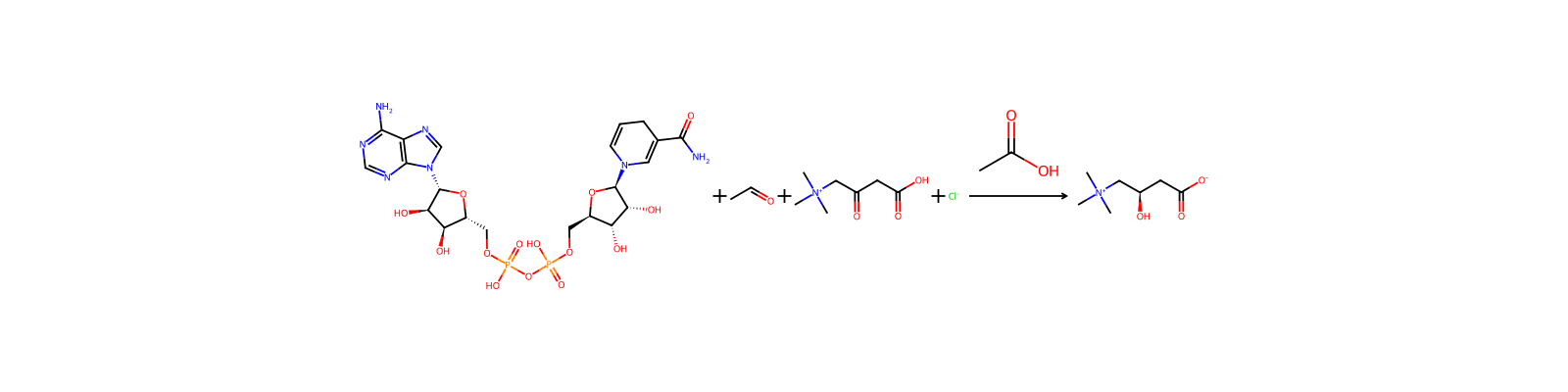
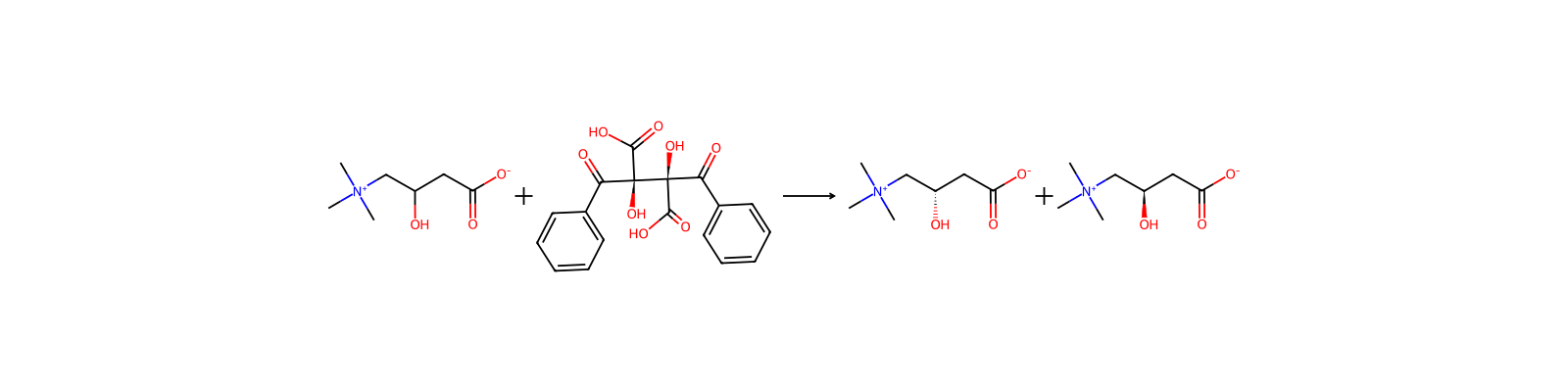
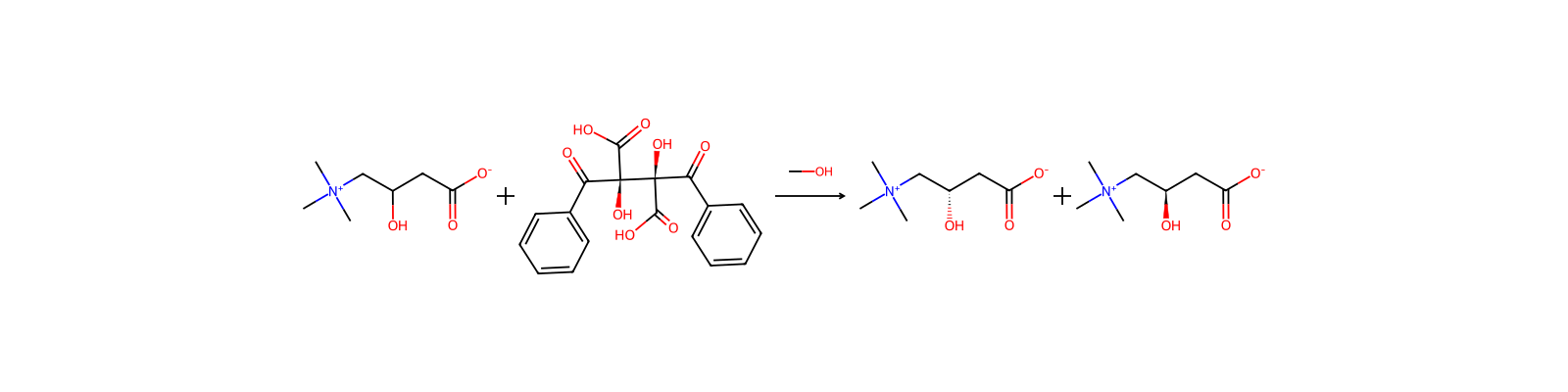
関連反応
39 件




関連ノート
読み込み中…