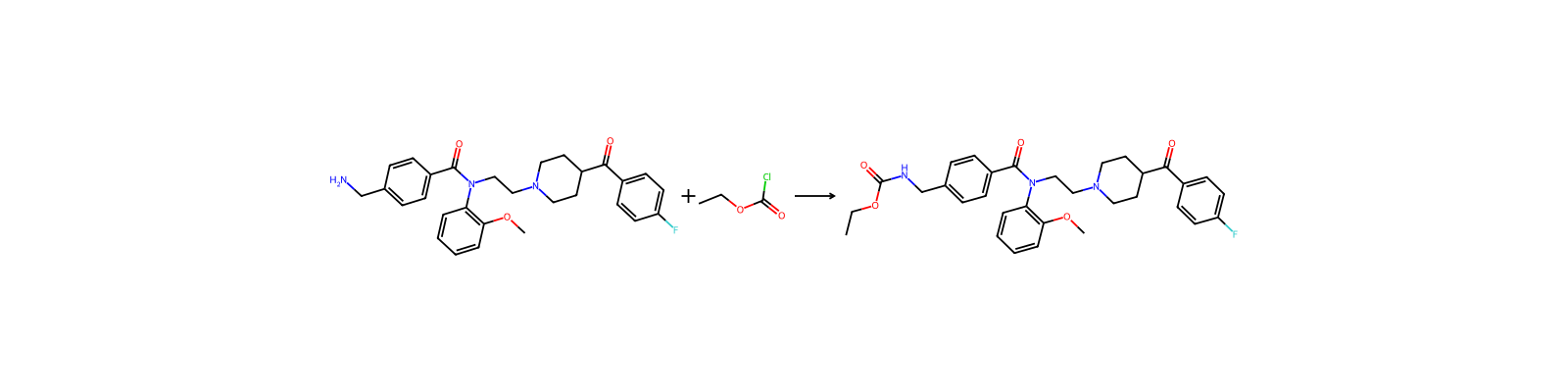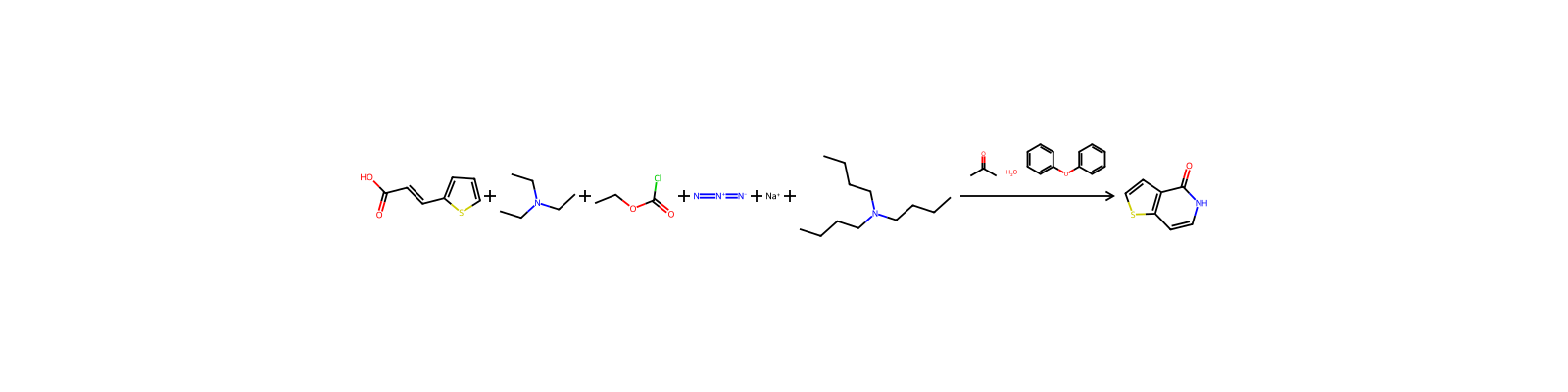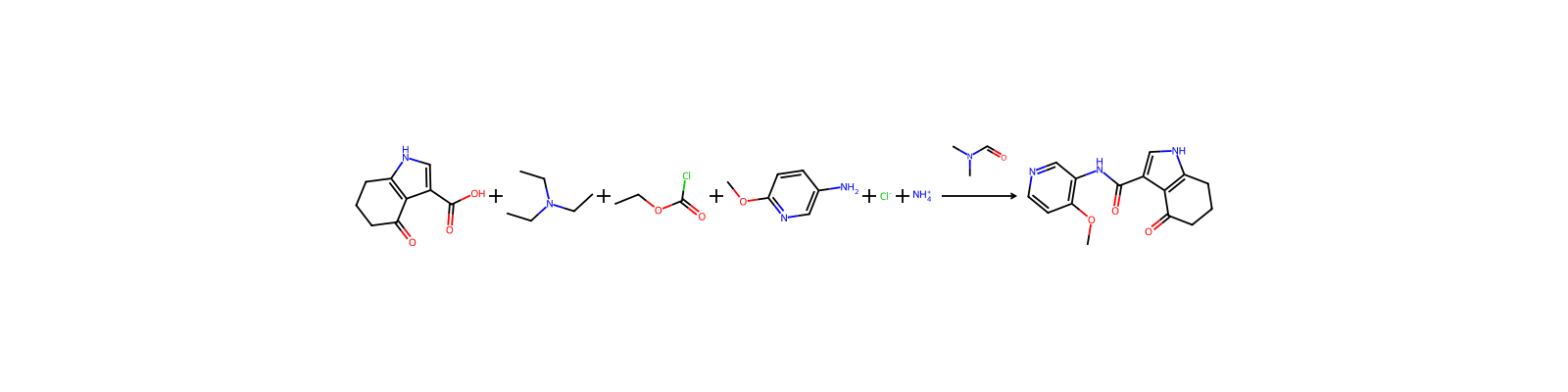
HRID 910反応物として

541-41-3CCOC(=O)ClRIFGWPKJUGCATF-UHFFFAOYSA-NEthyl chloroformate appears as a colorless liquid with a pungent odor. Flash point 66 °F. Very toxic by inhalation. Corrosive to metals and tissue. Vapors are heavier than air. Prolonged exposure to low concentrations or short exposure to high concentrations may have adverse health effects from inhalation.
541-41-3DTXSID1027186CHEMBL3183406Toxic Gases & Vapors -> Acid Halides
Corrosives
1.135 at 68 °F (USCG, 1999) - Denser than water; will sink
1.1403 @ 20 °C/4 °C
Relative density (water = 1): 1.1
1.1442 @ 15°C
PRACTICALLY INSOL & GRADUALLY DECOMP IN WATER
MISCIBLE WITH ALC, BENZENE, CHLOROFORM, ETHER
Solubility in water: reaction
61 °F (USCG, 1999)
16 °C
61 °F (16 °C) (CLOSED CUP)
16 °C c.c.
201 °F at 760 mmHg (USCG, 1999)
95 °C @ 760 MM HG
95 °C
94 °C @760 [mm Hg]
安全情報は参考情報です。供給元の安全データシート(SDS)、適用法令、専門家による評価に代わるものではありません。
Danger
H225: Highly Flammable liquid and vapor [Danger Flammable liquids]
P210, P233, P240, P241, P242, P243, P260, P264, P270, P271, P280, P284, P301+P317, P301+P330+P331, P302+P361+P354, P303+P361+P353, P304+P340, P305+P354+P338, P316, P320, P321, P330, P363, P370+P378, P403+P233, P403+P235, P405, and P501 (click each P-code to see the statement)
This chemical does not meet GHS hazard criteria for 3.7% (11 of 299) of reports.
Danger
H225 (96.3%): Highly Flammable liquid and vapor [Danger Flammable liquids]
Chemical: Carbonochloridic acid, ethyl ester
Carbonochloridic acid, ethyl ester is listed on the EPA's Chemical Data Reporting (CDR) system. Manufacturers and importers of Carbonochloridic acid, ethyl ester are required to report information about their production and use of this chemical to the EPA under the Toxic Substances Control Act (TSCA). (40 eCFR Part 711)
REACH registered substance: Ethyl chloroformate (EC: 208-778-5)
Ethoxycarbonyl chloride: HSNO Approval: HSR002989 Approved with controls
The New Jersey Worker and Community Right to Know Act requires public and private employers to provide information about hazardous substances at their workplaces. (N.J.S.A. 34:5A-1 et. seq.)
Special Hazards of Combustion Products: Toxic chlorine and phosgene gases may be formed in fires. (USCG, 1999)
Used as solvent in the photographic industry and to make carbamates for the production of dyes, drugs, veterinary medicines, herbicides and insecticides; Used as a stabilizer for PVC; [HSDB]
Photographic Processing [Category: Other]
CHEM INT FOR ORE FLOTATION AGENTS; DIETHYL CARBONATE; ISOCYANATES; POLYMERS
Organic synthesis
In the manufacture of ore flotation agents by reaction with various alkyl xanthates.
Used as solvent in the photographic industry; also employed in the production of carbamates that are used to synthesis dyes, drugs, veterinary medicines, herbicides and insecticides...ethyl chloroformate is the most important commercial chloroformic ester...it reacts with ethyl xanthate to produce diethyl xanthogen formate and diethylxanthic anhydride which are used in the floatation of ores...also used as a stabilizer for PVC and in the production of modified penicillins, eg binotal...used to produce carboxylic acids anhydrides from carboxylic acids, secondary amines from tertiary amines, and nitriles from amides and to make heterocyclic compounds.
GRADES: TECHNICAL
Typical specifications of commercial chloroformates: purity, 98%; phosgene, <0.1%, iron, <10 ppm; acidity as HCl, <0.1%; alcohol or phenol, <2%
Commercial products have concentrations of 97-99 wt% /chloroformic esters/
All Other Basic Organic Chemical Manufacturing
-114 °F (USCG, 1999)
-80.6 °C
-80.6 °C
-80.6 °C
3.7 (AIR= 1)
Relative vapor density (air = 1): 3.7
· HIGHLY FLAMMABLE: Will be easily ignited by heat, sparks or flames.
Highly flammable. Gives off irritating or toxic fumes (or gases) in a fire. Vapour/air mixtures are explosive.
DANGEROUS; WHEN EXPOSED TO HEAT, FLAME, OXIDIZERS
FLAMMABLE, DANGEROUS FIRE RISK
Inhalation causes mucous membrane irritation, coughing, and sneezing. Vapor causes severe lachrymation; liquid causes acid-type burns of eyes and skin, like those of hydrochloric acid. Ingestion causes severe burns of mouth and stomach. (USCG, 1999)
· TOXIC and/or CORROSIVE; inhalation, ingestion or contact (skin, eyes) with vapors, dusts or substance may cause severe injury, burns or death.
Corrosive to skin; Highly toxic; [Quick CPC] A corrosive substance that causes lacrimation and may cause lung edema after inhalation of high concentrations; [ICSC] A strong irritant to skin, eyes, and respiratory tract; Capable of causing severe burns to the eyes and skin; [HSDB] Reacts with water; [MSDSonline] See CHLOROFORMATES.
Excerpt from ERG Guide 155 [Substances - Toxic and/or Corrosive (Flammable / Water-Sensitive)]:
Use alcohol-resistant foam, powder, carbon dioxide. NO water. In case of fire: keep cylinder cool by spraying with water. NO direct contact with water.
Fresh air, rest. Half-upright position. Artificial respiration may be needed. Refer for medical attention.
Remove contaminated clothes. Rinse skin with plenty of water or shower. Refer for medical attention .
First rinse with plenty of water for several minutes (remove contact lenses if easily possible), then refer for medical attention.
Rinse mouth. Do NOT induce vomiting. Refer for medical attention .
· CALL 911. Then call emergency response telephone number on shipping paper. If shipping paper not available or no answer, refer to appropriate telephone number listed on the inside back cover.
· ELIMINATE all ignition sources (no smoking, flares, sparks or flames) from immediate area.
INHALATION: remove to fresh air; use artificial respiration if breathing has stopped; call a doctor; keep victim quiet and administer oxygen if needed.
General First Aid:
· Wear positive pressure self-contained breathing apparatus (SCBA).
TIH (Toxic Inhalation Hazard) - Term used to describe gases and volatile liquids that are toxic when inhaled. Some are TIH materials themselves, e.g., chlorine, and some release TIH gases when spilled in water, e.g., chlorosilanes. [ERG 2016].
Use dry chemical, foam, carbon dioxide, or water spray. Water may be ineffective. Use water spray to keep fire exposed containers cool. Approach fire from upwind to avoid hazardous vapors and toxic decomposition products.
If material on fire or involved in fire: Do not extinguish fire unless flow can be stopped Use "alcohol" foam, dry chemical or carbon dioxide. Cool all affected containers with flooding quantities of water. Apply water from as far a distance as possible.
Store in a cool, dry, well-ventilated location. Separate from acids, alkalies, amines, alcohols, oxidizing materials, & water. Normally kept refrigerated.
Chloroformates should be stored in a cool, dry atmosphere. They should be transferred from containers to storage tanks or reactors through a closed system using stainless steel, or glass pump, lines and valves.
Releases may require isolation or evacuation. Eliminate all ignition sources. Stop or control the leak, if this can be done without undue risk. Use water spray to cool & disperse vapors & protect personnel. Absorb in noncombustible material for proper disposal.
Evacuate danger area! Consult an expert! Personal protection: gas-tight chemical protection suit including self-contained breathing apparatus. Ventilation. Remove all ignition sources. Collect leaking and spilled liquid in sealable containers as far as possible. Absorb remaining liquid in dry sand or inert absorbent. Then store and dispose of according to local regulations. Do NOT wash away into sewer.
TERRESTRIAL FATE: Ethyl chloroformate hydrolyzes readily in water (half-life of 31.5 min at 25 °C)(1); therefore, aqueous hydrolysis will be the dominate fate process in moist soils(SRC). Ethyl chloroformate has a relatively high vapor pressure (22.4 mm Hg at 25 dec C(2)) which suggests that evaporation from dry surfaces can occur(SRC). Results of a single biodegradation study (using the Japanese MITI protocol) have classified ethyl chloroformate as biodegradable(3) but this is probably the hydrolysis product(SRC).
AQUATIC FATE: Ethyl chloroformate hydrolyzes readily in water (half-life of 31.5 min at 25 °C)(1); therefore, aqueous hydrolysis will be the dominate fate process in the aquatic environment(SRC). Aqueous volatilization, bioconcentration and adsorption to sediment are not expected to be important fate processes due to ethyl chloroformate's rapid hydrolysis(SRC).
ATMOSPHERIC FATE: Based upon a vapor pressure of 22.4 mm Hg at 25 °C(1), ethyl chloroformate is expected to exist primarily in the vapor phase in the ambient atmosphere(2,SRC). It will degrade in the ambient atmosphere by reaction with photochemically produced hydroxyl radicals with an estimated half-life of about 11 day(3,SRC). Since ethyl chloroformate hydrolyzes readily in water, atmospheric degradation may occur through dissolution into clouds or through contact with rain or other atmospheric water(SRC).
Burning sensation. Cough. Laboured breathing. Shortness of breath. Sore throat. Symptoms may be delayed.
Skin burns. Blisters. Pain. Redness.
Redness. Pain. Severe deep burns.
Abdominal pain. Burning sensation. Shock or collapse.
Using a structure estimation method based on molecular connectivity indexes, the Koc for ethyl chloroformate can be estimated to be approximately 10(1,SRC). According to a suggested classification scheme(2), this estimated Koc value suggests that ethyl chloroformate has high mobility in soil(SRC). However, ethyl chloroformate hydrolyzes readily in water (half- life of 31.5 min at 25 °C)(3); therefore, leaching in soil is not expected to be an important fate process(SRC).
EYE IRRITATION, IRRITATION OF UPPER RESPIRATORY TRACT, & SURFACE BURNS HAVE BEEN PRINCIPAL FINDINGS IN EXPOSED HUMANS. ... EYE IRRITATION MAY PERSIST SOME TIME AFTER EXPOSURE CEASES. SKIN SENSITIZATION MAY OCCUR. /CHLOROFORMATES/
... ETHYL ... CHLOROFORMATE CAN PRODUCE DELAYED PULMONARY EDEMA SIMILAR TO THAT PRODUCED BY PHOSGENE.
... LACRIMATORY PROPERTIES ARE WELL-KNOWN. ... NO EFFECTS ON GENERAL HEALTH NOR IN THE LABORATORY FINDINGS (BLOOD STUDIES AND LIVER FUNCTION TESTS) OF PERSONS MANUFACTURING CHLOROFORMATES WERE NOTED. /CHLOROFORMATES/
Its toxic properties resemble those of the methyl homolog in the degree of corrosiveness, irritation, and lacrimatory qualities.
For more Human Toxicity Excerpts (Complete) data for ETHYL CHLOROFORMATE (7 total), please visit the HSDB record page.
The Henry's Law constant for ethyl chloroformate can be estimated to be 3.1X10⁻³ atm-cu m/mole using a structure estimation method(1,SRC); this value of Henry's Law constant indicates that volatilization from water is potentially an important fate process(2). However, ethyl chloroformate hydrolyzes readily in water (half-life of 31.5 min at 25 °C)(3); therefore, volatilization from water is not expected to be important(SRC).
Carbonochloridic acid, ethyl ester: ACTIVE
NORMEPERIDINE ETHYLCARBAMATE MAY BE FORMED BY REACTION OF NORMEPERIDINE & ETHYL CHLOROFORMATE, & EVIDENCE IS PRESENTED TO SHOW THAT THIS SAME REACTION PRODUCED NORMEPERIDINE ARTIFACT WHEN THIS DRUG IS BOILED IN CHLOROFORM IN PROCESS OF SOLVENT REMOVAL.
...one of the agents used in biochemical carbobenzoxy group removal, without scission of the peptide bond.
Most chloroformate production is used captively and production figures are not available.