1-ヨードブタン
Butyl iodide
データを補完しています。しばらくしてからページを更新すると最新の内容を表示できます

基本情報
- CAS
25267-27-0- 標準SMILES
CCCCI- InChIKey
KMGBZBJJOKUPIA-UHFFFAOYSA-N- 分子式
- C4H9I
- 平均分子量
- 184.02 g/mol
- 単同位体質量
- 183.97489829
概要
butyl iodide has been reported in Ascophyllum nodosum, Mastocarpus stellatus, and other organisms with data available.
名称と識別子
- 優先名称
- Butyl iodide
- IUPAC
- 1-iodobutane
- 現地名
- 1-ヨードブタン
- 英語名
- 1-Iodobutane
- 分子式
- C4H9I
- 分子量
- 184.02
名称と別名
1-IodobutaneButyl iodide542-69-8N-BUTYL IODIDEButane, 1-iodo-607A6CC46RNSC-8420DTXSID70862157RefChem:829368DTXCID20810961208-824-41-iodo-butane
名称をさらに表示
1-ヨードブタンブチルヨージドよう化ブチルよう化-n-ブチルよう化n-ブチル1-ヨドブタン1-ヨ-ドブタン1-ヨードブタン ヨウ化物1-ヨードブタン ヨウ化物 ヨウ化ブチルよう化 n-ブチル1‐ヨードブタン1-ヨードブタン, 99%, STAB. WITH COPPER1-ヨードブタン,ヨウ化ブチルIodobutane1-LODOBUTANEn-C4H9I1-iodo-butan1-Butyljodidn-Butyliodidn-Iodobutane
Butane, iodo-1-JodbutanMFCD0000109825267-27-01-Jodbutan [Czech]1-BUTYLIODIDENSC 8420EINECS 208-824-4
データベース識別子
- CAS
25267-27-0、542-69-8- PubChem CID
- 10962
- DTXSID
DTXSID70862157- UNII
- 607A6CC46R
- EC Number
- 208-824-4
- Nikkaji
- J2.644A
物性
構造計算による物性補完中
- XLogP
- 3.1
- 極性表面積
- 0 Ų
- 水素結合供与体数
- 0
- 水素結合受容体数
- 0
- 回転可能結合数
- 2
- 重原子数
- 5
- 形式電荷
- 0
- 複雑度
- 13.1
実験および物理化学的性質
Chemical ClassesOther Classes -> Halogenated Aliphatics, Saturated
SpringerMaterials PropertiesSchoenflies notation
LogP3.08
Vapor Pressure13.9 [mmHg]
Physical DescriptionLiquid; [Merck Index] Colorless liquid; [Alfa Aesar MSDS]
物理化学的性質
- 融点
- 103 °C · −103 °C(lit.)
- 沸点
- 130 · 130-131 °C(lit.)
- 比重(密度)
- 1.617 g/mL · 1.617 g/mL at 25 °C(lit.)
- 蒸気密度
- 5 · ~5 (vs air)
- 蒸気圧
- 18.5 hPa · 18.5 hPa (25 °C)
- 屈折率
- 20 · n20/D 1.498(lit.)
- 闪点
- 92 °F · 92 °F
- 貯蔵温度
- 30 °C · Store below +30°C.
- 溶解性
- アルコール:可溶
- 外見
- 液体
- 色
- 無色透明~淡黄色または薄桃色
- 水溶解度
- 水に不溶。
- Merck
- 14 · 14,1573
- BRN
- 1420755 · 1420755
- Henry's Law Constant
- 6.9 · 6.9×10-4 mol/(m3Pa) at 25℃, Brockbank (2013)
- Dielectric constant
- 4.5 · 4.5(130℃)
- 安定性
- 安定。とても燃えやすい。強力な酸化剤とは相容れない。光に敏感。
- InChI
- 1S/C4H9I/c1-2-3-4-5/h2-4H2,1H3
- InChIKey
- KMGBZBJJOKUPIA-UHFFFAOYSA-N
- SMILES
- CCCCI
- CAS データベース
- 542 · 542-69-8(CAS DataBase Reference)
- NISTの化学物質情報
- 1 · Butane, 1-iodo-(542-69-8)
- EPAの化学物質情報
- 1 · Butane, 1-iodo- (542-69-8)
化学的性質
化学的特性colorless liquid. Soluble in chloroform, miscible with ethanol and ether, insoluble in water, and will change color when exposed to light or left for a long time.
安全と法規制
安全情報は参考情報です。供給元の安全データシート(SDS)、適用法令、専門家による評価に代わるものではありません。
GHS分類
GHS Classification
Danger
H226 (100%): Flammable liquid and vapor [Warning Flammable liquids]
P210, P233, P240, P241, P242, P243, P261, P264, P264+P265, P271, P280, P302+P352, P303+P361+P353, P304+P340, P305+P351+P338, P316, P321, P332+P317, P337+P317, P362+P364, P370+P378, P403+P233, P403+P235, P405, and P501 (click each P-code to see the statement)
Aggregated GHS information provided per 54 reports by companies from 9 notifications to the ECHA C&L Inventory. Each notification may be associated with multiple companies.
危険有害性情報
Regulatory Information
Chemical: Butane, 1-iodo-
1-Iodobutane: Does not have an individual approval but may be used under an appropriate group standard
Hazards SummaryAn irritant; Harmful by inhalation; [Alfa Aesar MSDS] See 1-Bromobutane and n-Butyl chloride.
Hazard Classes and CategoriesFlam. Liq. 3 (100%)
毒性情報
Adverse EffectsNeurotoxin - Acute solvent syndrome
Toxicity DataLC50 (rat) = 6,100 mg/m3/4hr
安全データ
- F
- 8
- wgk
- 3
- tsca
- TSCA listed
- rtecs
- EK4400000
- ridadr
- UN 1993 3/PG 3
- hs_code
- 29033080
- risk_code
- 10-20-36/37/38-20/22
- 化審法
- (2)-63
- 安衛法
- 57,57-2
- 消防法
- 危-4-2-III
- hazard_code
- Xn
- hazard_note
- Harmful
- safety_code
- 16-36-36/37/39-26
- hazard_class
- 3
- packing_group
- III
- Hazard Classifications
- Acute Tox. 3 InhalationFlam. Liq. 3
- ストレージクラス
- 3 - Flammable liquids
化学と産業
薬理情報
Metabolism/Metabolites1-iodobutane has known human metabolites that include butyl-glutathione.
用途と製造
General Manufacturing InformationButane, 1-iodo-: ACTIVE
応用分野
使用1-Iodobutane was used in the synthesis of S-alkylated 5-(2-,3- and 4-methoxyphenyl)-4H-1,2,4-triazole-3-thiol and 5-(2-,3- and 4-methoxyphenyl)-4-phenyl-4H-1,2,4-triazole-3-thiol. It is also used in wide range of medicals industrial applications as well as in human and animal nutrition products, pharmaceutical intermediates, polarizing films for Liquid Crystal Display (LCD) chemicals.
一般的な説明Thermal chemistry of 1-iodobutane has been investigated on clean and hydrogen- and deuterium-predosed Pt(111) single-crystal surfaces by temperature-programmed desorption and reflection-absorption infrared spectroscopy.
調製方法
製造方法1-Iodobutane is obtained by reacting n-butanol with iodine in the presence of phosphorus.
純化方法Dry the iodide with MgSO4 or P2O5, fractionally distil it through a column packed with glass helices, taking the middle fraction and storing over calcium or mercury in the dark. Alternatively purify it by prior passage through activated alumina or by shaking with conc H2SO4 then washing with Na2SO3 solution. It has also been treated carefully with sodium to remove free HI and H2O, before distilling through a column containing copper turnings at the top. Another purification procedure consisted of treatment with bromine, followed by extraction of free halogen with Na2S2O3, washing with H2O, drying and fractionally distilling. [Beilstein 1 IV 271.]
上流・下流製品情報
上流原料
下流製品
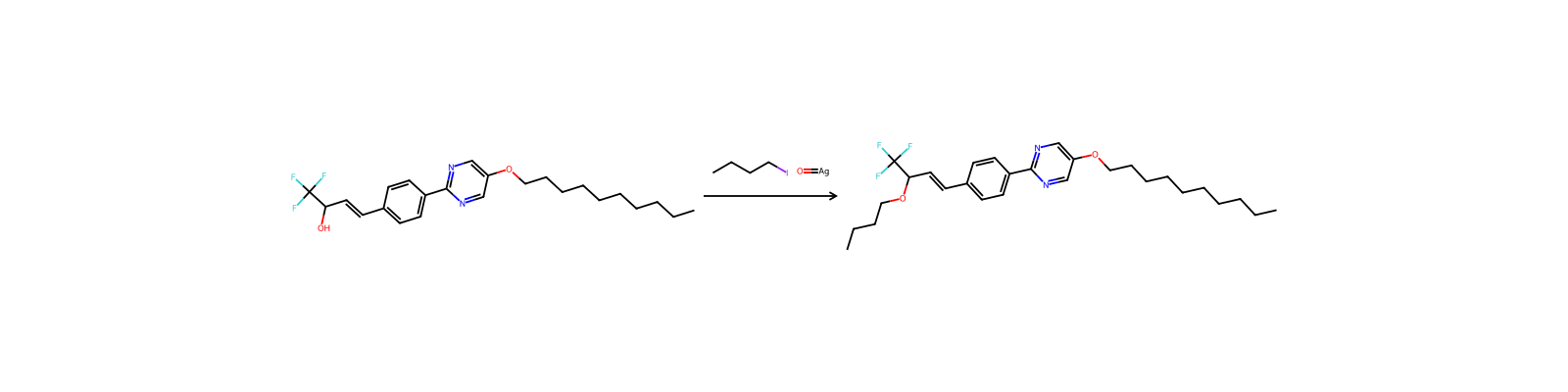
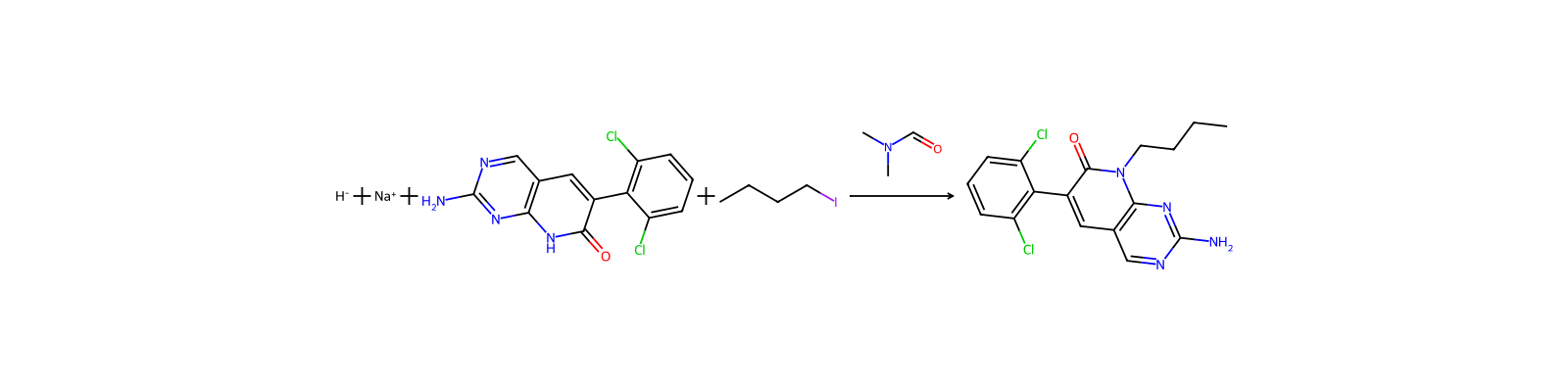
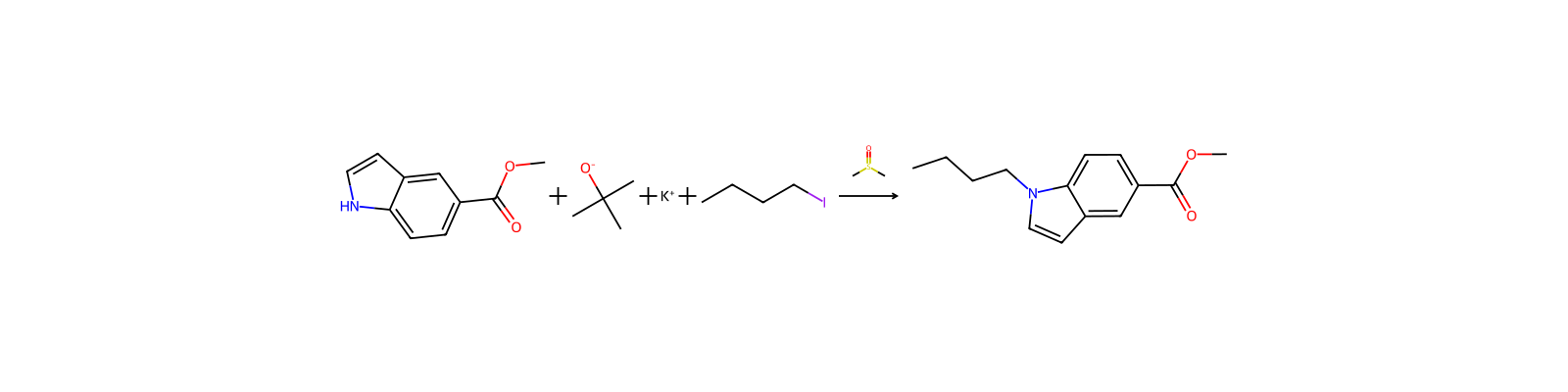
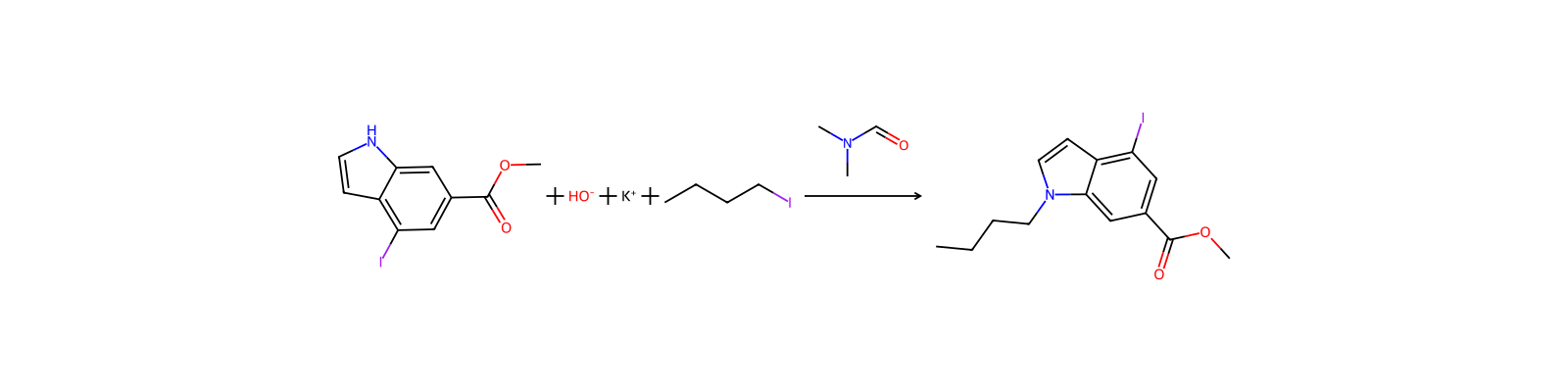
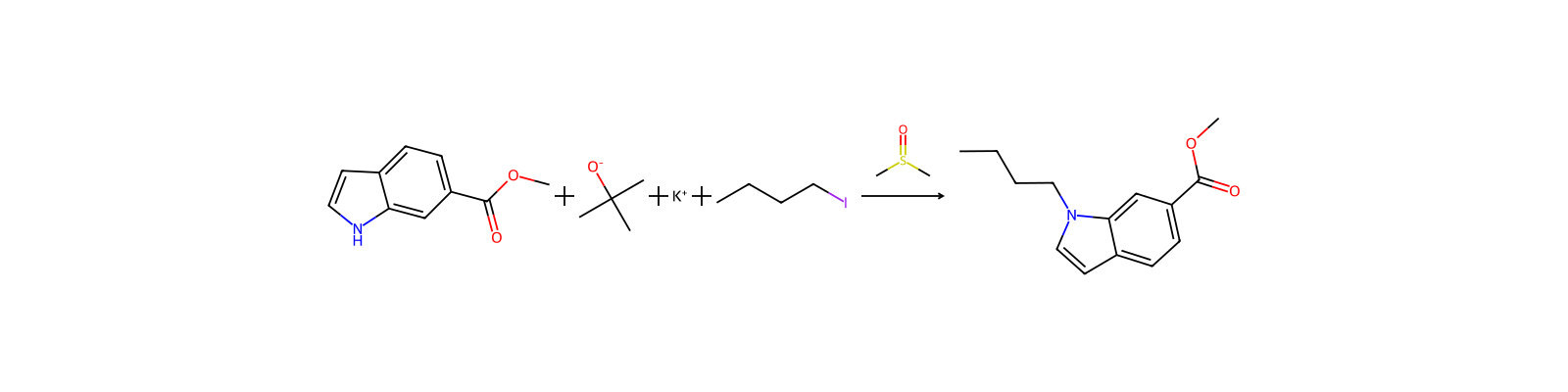
関連反応
704 件



化合物ノート
読み込み中…