
基本情報
- 標準SMILES
O=C(O)CCC(=O)O- InChIKey
KDYFGRWQOYBRFD-UHFFFAOYSA-N- 分子式
- C4H6O4
- 平均分子量
- 118.09 g/mol
- 単同位体質量
- 118.02660867
概要
Succinic acid appears as white crystals or shiny white odorless crystalline powder. pH of 0.1 molar solution: 2.7. Very acid taste. (NTP, 1992)
名称と識別子
- 優先名称
- Succinic Acid
- IUPAC
- butanedioic acid
- 現地名
- こはく酸
- 英語名
- Succinic acid
- 分子式
- C4H6O4
- 分子量
- 118.09
名称と別名
succinic acidbutanedioic acid110-15-6Amber acidAsuccinWormwood acidDihydrofumaric acidKatasuccinBernsteinsaure1,2-Ethanedicarboxylic acidethylenesuccinic acid1,4-Butanedioic acid
名称をさらに表示
こはく酸アンバー酸エタン-1,2-ジカルボン酸ワームウッド酸アスクシンブタン二酸こはく酸塩琥珀酸こはく酸標準品こはく酸, 99+%エタン-1,2-ジカルボン酸標準品SAWormwoodSuccnic acidSuccinic acid, 99% 1KG008008-93-3SUCCINIC ACID FCCSiglecSuccinic acid(N)
Succinicum acidumButandisaeureAcidum succinicumButanedionic acidKyselina jantarovaEthylene dicarboxylic acidacide succiniqueBernsteinsaeure
データベース識別子
- CAS
110-15-6- PubChem CID
- 1110
- DTXSID
DTXSID6023602- ChEMBL
CHEMBL576- ChEBI
CHEBI:15741- UNII
- AB6MNQ6J6L
- EC Number
- 203-740-4
- Nikkaji
- J2.879G
物性
構造計算による物性
- XLogP
- -0.6
- 極性表面積
- 74.6 Ų
- 水素結合供与体数
- 2
- 水素結合受容体数
- 4
- 回転可能結合数
- 3
- 重原子数
- 8
- 形式電荷
- 0
- 複雑度
- 92.6
実験および物理化学的性質
Chemical ClassesOther Classes -> Organic Acids
Drugs
Pharmaceuticals -> Listed in ZINC15
Pharmaceuticals -> Metabolite of Sodium oxybate
LipidsFatty Acyls [FA] -> Fatty Acids and Conjugates [FA01] -> Dicarboxylic acids [FA0117]
Cosmetics
Cosmetic ingredients (Succinic Acid) -> CIR (Cosmetic Ingredient Review)
Buffering
pHpH = 2.7 (0.1 molar aq soln)
FragrancesFragrance Ingredient (Succinic acid) -> IFRA transparency List
PesticidesEnvironmental transformation -> Pesticide transformation products (metabolite, successor)
LogP
log Kow = -0.59
-0.59
-0.61
OdorOdorless
Taste
Very acid taste
TART TASTE; PURE AQ SOLN ARE SLIGHTLY BITTER & TASTE BUILD UP IS SLOW
Food AdditivesFLAVOR ENHANCER, PH CONTROL AGENT -> FDA Substance added to food
Density
1.572 at 68 °F (NTP, 1992) - Denser than water; will sink
1.572 @ 25 °C/4 °C
BULK DENSITY: 55 LB/CU FT; NONHYGROSCOPIC
1.154 @ 15°C
物理化学的性質
- 融点
- 185 °C · 185 °C
- 沸点
- 235 °C · 235 °C
- 比重(密度)
- 1.19 g/mL · 1.19 g/mL at 25 °C(lit.)
- 蒸気圧
- 0 · 0-0Pa at 25℃
- 屈折率
- 20 · n20/D 1.4002(lit.)
- FEMA
- 4719 · 4719 | SUCCINIC ACID
- 闪点
- 230 °F · >230 °F
- 貯蔵温度
- 2 · 2-8°C
- 溶解性
- エタノール、エーテル、アセトン、メタノールに可溶。トルエン、ベンゼン、二硫化炭素、四塩化炭素、石油エーテルに不溶。
- 酸解離定数(Pka)
- 4.16 · 4.16(at 25℃)
- 外見
- 粉体・固形
- 色
- ホワイトからオフホワイト
- PH
- 3.65 · 3.65(1 mM solution);3.12(10 mM solution);2.61(100 mM solution);
- 臭い (Odor)
- 100 %で。よもぎ · 100.00%で。よもぎ
- においのタイプ
- ハーブ
- 由来生物
- synthetic
- 水溶解度
- 80 g/L · 80g/L(20℃)
- 比熱容量
- 1.3 J/ · Cp(crystal): 1.3 J/(g·K), at 25℃
- JECFA Number
- 2307 · 2307
- Merck
- 14 · 14,8869
- BRN
- 1754069 · 1754069
- Henry's Law Constant
- 3.1 · 3.1×107 mol/(m3Pa) at 25℃, Burkholder et al. (2019)
- Dielectric constant
- 2.4 · 2.4(26℃)
- 安定性
- 安定。避けるべき物質には、強塩基、強酸化剤が含まれます。可燃性。
- 化粧品成分の機能
- 香料バッファリング
- InChI
- 1S/C4H6O4/c5-3(6)1-2-4(7)8/h1-2H2,(H,5,6)(H,7,8)
- InChIKey
- KDYFGRWQOYBRFD-UHFFFAOYSA-N
- SMILES
- OC(=O)CCC(O)=O
- LogP
- -0.59 · -0.59
- CAS データベース
- 110 · 110-15-6(CAS DataBase Reference)
- NISTの化学物質情報
- Butanedioic acid(110-15-6)
- EPAの化学物質情報
- Succinic acid (110-15-6)
化学的性質
化学的特性Succinic acid,C02H(CH2)2C02H, also known as butanedioic acid,butane diacid, and amber acid, is a colorless odorless prisms or white crystalline powder that melts at 185°C (364 of). Soluble in water and alcohol, it is used as a chemical intermediate, Succinic acid is used in lacquers,medicine,dyes,and as a taste modifier.
化学性质TCA回路の中間代謝産物
安全と法規制
GHS分類
GHS Classification
This chemical does not meet GHS hazard criteria for 3.4% (78 of 2311) of reports.
Danger
H318 (82.6%): Causes serious eye damage [Danger Serious eye damage/eye irritation]
P264+P265, P280, P305+P351+P338, P305+P354+P338, P317, and P337+P317 (click each P-code to see the statement)
Aggregated GHS information provided per 2311 reports by companies from 28 notifications to the ECHA C&L Inventory. Each notification may be associated with multiple companies.
危険有害性情報
Regulatory Information
Chemical: Butanedioic acid
Regulation (EC) No 1831/2003 (amended)
Butanedioic acid is listed on the EPA's Chemical Data Reporting (CDR) system. Manufacturers and importers of Butanedioic acid are required to report information about their production and use of this chemical to the EPA under the Toxic Substances Control Act (TSCA). (40 eCFR Part 711)
Status: Active Update: 25-04-2023 https://echa.europa.eu/registration-dossier/-/registered-dossier/15265
Butanedioic acid: Does not have an individual approval but may be used under an appropriate group standard
Other Safety InformationIMAP assessments - Butanedioic acid: Human health tier I assessment
Fire HazardsFlash point data for this compound are not available. It is probably combustible. (NTP, 1992)
Fire PotentialAs with most organic solids, fire is possible at elevated temperatures or by contact with an ignition source.
Health HazardsSYMPTOMS: Exposure to this compound can cause irritation of the skin, eyes, mucous membranes and upper respiratory tract.
Hazards Summary
Maximum tolerated dose was 2-2.5% when given in drinking water to rats; Caused severe weight loss in the 10% group, and all the rats died within the first 4 weeks; Has anxiolytic activity when given orally to rats at 3-6 mg/kg; [HSDB] Causes somnolence in lethal-dose feeding studies; [RTECS] A skin, eye, mucous membrane, and upper respiratory tract irritant; [CAMEO] An irritant; [MSDSonline]
FDA Requirements
Substance added directly to human food affirmed as generally recognized as safe (GRAS).
Succinic acid used as a general purpose food additive in animal drugs, feeds, and related products is generally recognized as safe when used in accordance with good manufacturing or feeding practice.
Succinic acid is a food additive permitted for direct addition to food for human consumption, as long as 1) the quantity of the substance added to food does not exceed the amount reasonably required to accomplish its intended physical, nutritive, or other technical effect in food, and 2) any substance intended for use in or on food is of appropriate food grade and is prepared and handled as a food ingredient.
Reactive GroupAcids, Carboxylic
Reactivity Profile
SUCCINIC ACID reacts exothermically to neutralize bases, both organic and inorganic. Can react with active metals to form gaseous hydrogen and a metal salt. Such reactions are slow in the dry, but systems may absorb water from the air to allow corrosion of iron, steel, and aluminum parts and containers. Reacts slowly with cyanide salts to generate gaseous hydrogen cyanide. Reacts with solutions of cyanides to cause the release of gaseous hydrogen cyanide. May generate flammable and/or toxic gases and heat with diazo compounds, dithiocarbamates, isocyanates, mercaptans, nitrides, and sulfides. May react with sulfites, nitrites, thiosulfates (to give H2S and SO3), dithionites (SO2), to generate flammable and/or toxic gases and heat. Can be oxidized exothermically by strong oxidizing agents and reduced by strong reducing agents. May initiate polymerization reactions.
Atmospheric Standards
This action promulgates standards of performance for equipment leaks of Volatile Organic Compounds (VOC) in the Synthetic Organic Chemical Manufacturing Industry (SOCMI). The intended effect of these standards is to require all newly constructed, modified, and reconstructed SOCMI process units to use the best demonstrated system of continuous emission reduction for equipment leaks of VOC, considering costs, non air quality health and environmental impact and energy requirements. Succinic acid is produced, as an intermediate or a final product, by process units covered under this subpart.
Air and Water ReactionsSlightly water soluble.
Hazard Classes and CategoriesEye Dam. 1 (82.6%)
安全と保護具
Fire FightingFires involving this material can be controlled with a dry chemical, carbon dioxide or Halon extinguisher. (NTP, 1992)
First Aid
EYES: First check the victim for contact lenses and remove if present. Flush victim's eyes with water or normal saline solution for 20 to 30 minutes while simultaneously calling a hospital or poison control center. Do not put any ointments, oils, or medication in the victim's eyes without specific instructions from a physician. IMMEDIATELY transport the victim after flushing eyes to a hospital even if no symptoms (such as redness or irritation) develop.
Exposure Control and Personal Protection2.0 [mg/m3], inhalable fraction[German Research Foundation (DFG)]
Storage ConditionsKeep tightly closed. /Potassium salt trihydrate/
Nonfire Spill Response
SMALL SPILLS AND LEAKAGE: Should a spill occur while you are handling this chemical, FIRST REMOVE ALL SOURCES OF IGNITION, then you should dampen the solid spill material with 60-70% ethanol and transfer the dampened material to a suitable container. Use absorbent paper dampened with 60-70% ethanol to pick up any remaining material. Seal the absorbent paper, and any of your clothes, which may be contaminated, in a vapor-tight plastic bag for eventual disposal. Solvent wash all contaminated surfaces with 60-70% ethanol followed by washing with a soap and water solution. Do not reenter the contaminated area until the Safety Officer (or other responsible person) has verified that the area has been properly cleaned.
Disposal Methods
SRP: The most favorable course of action is to use an alternative chemical product with less inherent propensity for occupational exposure or environmental contamination. Recycle any unused portion of the material for its approved use or return it to the manufacturer or supplier. Ultimate disposal of the chemical must consider: the material's impact on air quality; potential migration in soil or water; effects on animal, aquatic, and plant life; and conformance with environmental and public health regulations.
SRP: At the time of review, criteria for land treatment or burial (sanitary landfill) disposal practices are subject to significant revision. Prior to implementing land disposal of waste residue (including waste sludge), consult with environmental regulatory agencies for guidance on acceptable disposal practices.
Incineration: Succinic acid should be combined with paper or other flammable material. An alternate procedure is to dissolve it in a flammable solvent and spray the solutions into the fire chamber.
Preventive Measures
SRP: The scientific literature for the use of contact lenses in industry is conflicting. The benefit or detrimental effects of wearing contact lenses depend not only upon the substance, but also on factors including the form of the substance, characteristics and duration of the exposure, the uses of other eye protection equipment, and the hygiene of the lenses. However, there may be individual substances whose irritating or corrosive properties are such that the wearing of contact lenses would be harmful to the eye. In those specific cases, contact lenses should not be worn. In any event, the usual eye protection equipment should be worn even when contact lenses are in place.
Protective Action Criteria (PAC)
4.0 [mg/m3]
75 [mg/m3]
450 [mg/m3]
Personal Protective Equipment (PPE)
RECOMMENDED RESPIRATOR: Where the neat test chemical is weighed and diluted, wear a NIOSH-approved half face respirator equipped with an organic vapor/acid gas cartridge (specific for organic vapors, HCl, acid gas and SO2) with a dust/mist filter. (NTP, 1992)
毒性情報
Treatment
EYES: irrigate opened eyes for several minutes under running water. INGESTION: do not induce vomiting. Rinse mouth with water (never give anything by mouth to an unconscious person). Seek immediate medical advice. SKIN: should be treated immediately by rinsing the affected parts in cold running water for at least 15 minutes, followed by thorough washing with soap and water. If necessary, the person should shower and change contaminated clothing and shoes, and then must seek medical attention. INHALATION: supply fresh air. If required provide artificial respiration.
Health Effects
At acute doses or exposures succinic acid is a skin irritant. Chronically high doses of succinate can lead to succinylation or succination of a variety of enzymes. Partial succinate dehydrogenase deficiency (15% to 50% of normal reference enzyme activity) in skeletal muscle leads to elevated succinate levels and causes mitochondrial myopathy with various symptoms, for example, brain involvement, cardiomyopathy, and/or exercise intolerance.
Ecotoxicity Values
EC50 Daphnia magna (first instar; immobilization) 374.2 mg/L/48 hr (95% confidence limits: 350-400 mg/L); static, 22 °C, hardness: 154.5 mg/L as CaCO3, pH of 7.7, alkalinity of 137.7 mg/L as CaCO3, conductivity of 290.4 umohs/cm, Ca of 32.7 mg/L, Mg of 19.7 mg/L, Na of 2.4 mg/L, and K of 1.3 mg/L
Environmental Fate
TERRESTRIAL FATE: Based on a classification scheme(1), an estimated Koc value of 11(SRC), determined from a log Kow of -0.59(2) and a regression-derived equation(3), indicates that succinic acid is expected to have very high mobility in soil(SRC). Volatilization of succinic acid from moist soil surfaces is not expected to be an important fate process(SRC) given an estimated Henry's Law constant of 3.6X10⁻¹³ atm-cu m/mole(SRC), derived from its vapor pressure, 1.91X10⁻⁷ mm Hg(4), and water solubility, 8.32X10+4 mg/L(5). Succinic acid is not expected to volatilize from dry soil surfaces(SRC) based upon its vapor pressure of 1.91X10⁻⁷ mm Hg at 25 °C(4). The anion form, which is the dominant form in the environment (pKa 4.16 and 5.6), will also not volatilize(SRC). Succinic acid has been observed to biodegrade in soil at rates ranging from 52 to 89% in 7 days to 71 to 95% in 84 days at an initial concn of 1000 ppm(6), suggesting biodegration may be an important environmental fate process in soil.
AQUATIC FATE: Based on a classification scheme(1), an estimated Koc value of 11(SRC), determined from a log Kow of -0.59(2) and a regression-derived equation(3), indicates that succinic acid is not expected to adsorb to suspended solids and sediment(SRC). Volatilization from water surfaces is not expected(3) based upon an estimated Henry's Law constant of 3.6X10⁻¹³ atm-cu m/mole(SRC), derived from its vapor pressure, 1.91X10⁻⁷ mm Hg(4), and water solubility, 8.32X1+4 mg/L(5). One of the pKa values of succinic acid is 4.21(6), indicating that this compound will exist in the dissociated form in the environment and anions generally do not adsorb more strongly to suspended solids and sediment than their neutral counterparts(7), and will not volatilize. According to a classification scheme(8), an estimated BCF of 3(SRC), from its log Kow(2) and a regression-derived equation(9), suggests the potential for bioconcentration in aquatic organisms is low(SRC). Succinic acid, present at 100 mg/L, reached 78% of its theoretical BOD in 14 days using an activated sludge inoculum at 30 mg/L and the Japanese MITI test(10), suggesting biodegradation may be an important environmental fate process in water.
ATMOSPHERIC FATE: According to a model of gas/particle partitioning of semivolatile organic compounds in the atmosphere(1), succinic acid, which has a vapor pressure of 1.91X10⁻⁷ mm Hg at 25 °C(2), is expected to exist in both the vapor and particulate phases in the ambient atmosphere. Vapor-phase succinic acid is degraded in the atmosphere by reaction with photochemically-produced hydroxyl radicals(SRC); the half-life for this reaction in air is estimated to be 6 days(SRC), calculated from its rate constant of 2.8X10⁻¹² cu cm/molecule-sec at 25 °C that was derived using a structure estimation method(3). Particulate-phase succinic acid may be removed from the air by wet and dry deposition(SRC).
Food Survey Values
Succinic acid was identified as a flavoring constituent of gari, 0.04% and farine, 0.002%(1). Aerosol emission rates of succinic acid from frying hamburger meat was 2.3 mg/kg of meat cooked; emission rates from charbroiling hamburger was 7.6 mg/kg of meat cooked for extra-lean hamburger (approx. 10.0% fat) and 12.0 mg/kg of meat cooked for regular hamburger (approx. 21% fat)(2).
Adverse EffectsNeurotoxin - Other CNS neurotoxin
Exposure RoutesEye contact, Inhalation, Ingestion.
Toxicity Summary
Safe in the present practices of use and concentration. Ingredient, concentration, and use information are available in documents discoverable at https://cir-reports.cir-safety.org
Succinate can inhibit the activities of α-KG–dependent oxygenases (KDMs) and the TET family of 5-methlycytosine (5mC) hydroxylases. Succinate also mediates allosteric inhibition of hypoxia inducible factor (HIF) prolyl hydroxylases (PHDs). Inhibition of HIF PHDs leads to activation of HIF-mediated pseudohypoxic response, whereas inhibition of KDMs and TET family of 5mC hydroxylases causes epigenetic alterations that ultimately cause cancer. Succination of KEAP1 in FH deficiency results in the constitutive activation of the antioxidant defense pathway mediated by NRF2, conferring a reductive milieu that promotes cell proliferation. Succination of the Krebs cycle enzyme Aco2 impairs aconitase activity in Fh1-deficient MEFs. Succination also causes irreversible inactivation of glyceraldehyde-3-phosphate dehydrogenase (GAPDH).
Ecotoxicity Excerpts
/AQUATIC SPECIES/ ...A series of insulated, round, stainless steel tubs were used for water baths. The water was obtained from Rochat Creek, and a chemical analysis of the water was made during summer when the stream flows were low. The pH of the water was 7.2, alkalinity was 7 ppm, and hardness was 0-17 ppm. The baths were served by a common refrigerated reservoir through which temperature-controlled water was recirculated. Each tub held 9.5 L plastic aquaria, and each aquarium was aerated by a single stone air-breaker and lined with a disposable polyethylene poultry bag. The bag was closed at the top to prevent fish from escaping. Fish were acclimatized at about the temperatures of the assay vessels. The acclimatizing period varied from 3-24 hours, but most fish were conditioned at least overnight. The test fish were starved during acclimatization and transferred to the assay vessel approximately 2 hours prior to addition of 10 ppm of test substance. Usually 1 squawfish and 1 each of 2 species of salmonid were placed together in 1 vessel in 4 L of water, the load being approximately 5 g of fish/L solution. /The fish used measured 5-10 cm./ Water temperature was taken several times during each test, with only the highest temperature recorded in a 24-hr test period reported. The times at which a fish lost its equilibrium and died were recorded. Equilibrium was defined as lost when a fish was no longer able to remain right-side-up, and death was designated when a fish ceased visible movement. ...In Ptychocheilus oregonensis (Northern squawfish), loss of equilibrium occurred in 4-8 hours at 10 ppm, but was regained by 17 hours. No deaths were reported. At 15 ppm neither loss of equilibrium nor death occurred. In Oncorhynchus tshawytscha and kisutch (Chinook salmon and Coho salmon, silver salmon), neither loss of equilibrium nor death occurred at 10 or 15 ppm.
Signs and SymptomsAcute Exposure: the clinical signs of acute toxicity are weakness and diarrhea.
Effluent Concentrations
Succinic acid has been identified as a component of pulp mill effluent(1). Trace amounts, less than 0.5 mg/l, of succinic acid were detected in industrial waste samples from the Hercules, Inc. plant site near Wilmington, NC(2). Succinic acid was identified in the acidic fraction of sewage and sludge from the Iona Island Sewage Treatment Plant, British Columbia(3). Succinic acid was detected in an automobile exhaust sample from a 1982 Toyota Corolla at a concn of 24.3 nmol/cu m and a diesel exhaust sample from a 1971 Mercedes Benz 220D at a concn of 65.7 nmol/cu m(4). Succinic acid emission rates from pine wood, oak wood, and synthetic logs burned were 0.89 mg/kg, 11.68 mg/kg, and not detected, respectively(5).
Soil Adsorption/Mobility
The Koc of succinic acid is estimated as 11(SRC), using a log Kow of -0.59(1) and a regression-derived equation(2). According to a classification scheme(3), this estimated Koc value suggests that succinic acid is expected to have very high mobility in soil. One of the pKa values of succinic acid is 4.21(4), indicating that this compound will exist in anion form in the environment and anions generally do not adsorb more strongly to organic carbon and clay than their neutral counterparts(5).
法規制情報
FDA Requirements
Substance added directly to human food affirmed as generally recognized as safe (GRAS).
Succinic acid used as a general purpose food additive in animal drugs, feeds, and related products is generally recognized as safe when used in accordance with good manufacturing or feeding practice.
Succinic acid is a food additive permitted for direct addition to food for human consumption, as long as 1) the quantity of the substance added to food does not exceed the amount reasonably required to accomplish its intended physical, nutritive, or other technical effect in food, and 2) any substance intended for use in or on food is of appropriate food grade and is prepared and handled as a food ingredient.
Atmospheric Standards
This action promulgates standards of performance for equipment leaks of Volatile Organic Compounds (VOC) in the Synthetic Organic Chemical Manufacturing Industry (SOCMI). The intended effect of these standards is to require all newly constructed, modified, and reconstructed SOCMI process units to use the best demonstrated system of continuous emission reduction for equipment leaks of VOC, considering costs, non air quality health and environmental impact and energy requirements. Succinic acid is produced, as an intermediate or a final product, by process units covered under this subpart.
安全データ
- wgk
- 1
- tsca
- TSCA listed
- rtecs
- WM4900000
- ridadr
- UN 3265 8/PG 3
- 毒性
- LD50 orally in Rabbit: 2260 mg/kg
- hs_code
- 29171990
- risk_code
- 37/38-41-36/37/38
- 化審法
- (2)-846 届出不要化学物質
- hazard_code
- Xi
- safety_code
- 26-36/37/39-37/39-39
- 自然発火温度
- 470 °C
- Hazard Classifications
- Eye Dam. 1
- ストレージクラス
- 11 - Combustible Solids
- 有毒物質データの
- 110-15-6(Hazardous Substances Data)
化学と産業
薬理情報
Mechanism of Action
Succinate is an essential component of the Krebs or citric acid cycle and serves an electron donor in the production of fumaric acid and FADH2. It also has been shown to be a good "natural" antibiotic because of its relative acidic or caustic nature (high concentrations can even cause burns). Succinate supplements have been shown to help reduce the effects of hangovers by activating the degradation of acetaldehyde - a toxic byproduct of alcohol metabolism - into CO2 and H2O through aerobic metabolism. Succinic acid has been shown to stimulate neural system recovery and bolster the immune system. Claims have also been made that it boosts awareness, concentration and reflexes.
Metabolism/Metabolites
Succinic acid is a normal intermediary metabolite and a constituent of the citric acid cycle. It is readily metabolized when administered to animals, but may be partly excreted unchanged in the urine if large doses are fed.
Succinic acid can be converted into fumaric acid by oxidation via succinate dehydrogenase.
Absorption, Distribution and ExcretionSuccinic acid occurs normally in human urine (1.9-8.8 mg/L).
Tissue LocationsAdipose Tissue
Cellular LocationsEndoplasmic reticulum
Metabolite Pathways2-Hydroxyglutric Aciduria (D And L Form)
用途と製造
Uses
CIR ingredient: Succinic Acid
Found in fossils, fungi, and lichens; [Merck Index] Present in nearly all plant and animal tissues; Used to make lacquers, dyes, esters for perfumes, alkyd resins, pharmaceuticals, plasticizers, lubricants, and pesticides; Also used in photography, as a sequestrant in foods, a buffering and neutralizing agent, for radiation dosimetry, and to promote plant growth and increased yields in food crops; [HSDB]
Farming (Pesticides) [Category: Industry]
Organic synthesis, manufacture of lacquers, dyes esters for perfumes, photography, in foods as sequestrant, buffer, neutralizing agent
Flavoring agent /Disodium succinate/
Uses of succinic acid range from scientific applications such as radiation dosimetry and standard buffer solutions to applications in agriculture, food, medicine, plastics, cosmetics, textiles, plating, and waste-gas scrubbing
ImpuritiesASH, 0.1% max; IRON, 10 ppm max; LEAD, 5 ppm max; SULFATES, 0.05% max; HEAVY METALS, 10 ppm max
U.S. Imports(1984) 1.82X10+9 g/CARBOXYLIC ACIDS, NSPF/
U.S. Production2023: 10,000,000 - <25,000,000 lb
Industry UsesLubricating agent
Methods of Manufacturing
Hydrogenation of maleic acid, maleic anhydride, or fumaric acid produces good yields of succinic acid.
1,4-Butanediol can be oxidized to succinic acid in several ways: (1) with O2 in an aqueous solution of an alkaline-earth hydroxide at 90-110 °C in the presence of Pd-C; (2) by ozonolysis in aqueous acetic acid; or (3) by reaction with N2O4 at low temperature.
Succinic acid can ... be obtained by phase-transfer-catalyzed reaction of 2-haloacetates, electrolytic dimerization of bromoacetic acid or ester, oxidation of 3-cyanopropanal, and fermentation of n-alkanes.
Succinic acid is derived from fermentation of ammonium tartrate.
Formulations/PreparationsGrades: Technical, CP, FCC
Household ProductsInformation on 1 consumer products that contain Succinic Acid in the following categories is provided:
Use Classification
Food additives
Fragrance Ingredients
Flavouring Agent -> FLAVOURING_AGENT -> JECFA Functional Classes
Cosmetics -> Buffering
Environmental transformation -> Pesticide transformation products (metabolite, successor)
General Manufacturing Information
Textiles, apparel, and leather manufacturing
Butanedioic acid: ACTIVE
応用分野
解説コハク酸脂肪族ジカルボン酸の一つで、ブタン二酸の別名をもつ。1550年にドイツのアグリコラがこはくを乾留して得たとの記録があることから、この名が与えられている。こはくにはコハク酸誘導体が含まれている。コハク酸は、天然には、二枚貝、地衣類、菌類などに含まれていて、広範囲の動植物に分布しており、貝類のうま味成分として知られている。フマル酸,マレイン酸の水素添加,リンゴ酸のヨウ化水素による還元などによって得られる.また,アルコール発酵でも得られる.無色の柱状あるいは板状結晶.融点185 ℃.1.572.エタノール,メタノール,アセトン,熱水などに可溶,エーテルに難溶.濃硫酸の存在下でアルコールと反応してジエステルが得られる.これはアンモニアと反応してスクシンアミドC2H4(CONH2)2を与える.コハク酸はその沸点235 ℃ まで加熱すると酸無水物である無水コハク酸を生じる.コハク酸のナトリウム塩は貝類のうま味成分であり,調味料に用いられる
用途合成清酒、味噌、しょう油
用途コハク酸およびそのナトリウム塩は食品衛生法により定められた指定食品添加物であり、食品の味をととのえる調味料や、食品に酸味を加える酸味料として用いられている。コハク酸がよく使われているのは、合成清酒、みそ、しょうゆなどの調味料で、合成酒中には0.08~0.09%使用されている。化粧品の成分としても用いられている例もある。
使用succinic acid is widely use as organic intermediates for the pharmaceutical, engineering plastics, resins etc.. For the synthesis of sedatives, contraceptives and cancer drugs in the pharmaceutical industry. In the chemical industry for the production of dyes, alkyd resin, glass fiber reinforced plastics, ion exchange resins and pesticides.
一般的な説明White crystals or shiny white odorless crystalline powder. pH of 0.1 molar solution: 2.7. Very acid taste.
使用用途コハク酸は幅広い用途に用いられています。 食品業界では、うまみの添加剤や、香料、酸度調整剤などに使用されています。また、工業や医薬品製造においては、ポリエステルやポリウレタンといったポリマーや、樹脂、染料の製造、さまざまな医薬品を合成する際の中間体として使用されています。 1. 独特のうまみ味と食品添加物としての利用 コハク酸は、アサリなどの貝類に含まれるうま味成分として知られています。 2. 工業製品、医薬品としての利用 工業的には、さまざまな化合物の合成原料として利用されます。 3. 緩衝作用とpH調整剤としての利用 コハク酸は有機酸の一種であり、その共役塩基との混合物は緩衝作用を持つ事から、化粧品などのpH調整剤として用いられています。
調製方法
Succinic acid can be produced 1) by oxidation of Butanediol-1,4 with Nitric acid. 2) by oxidation of Tetrahydrofuran with Nitric acid. 3) by hydrogenation of Fumaric acid or Maleic acid.
製造方法工業生産の分野においては、もしくはその脱水環化物である無水マレイン酸を接触的に水素添加する事で調製します。 また、既述のようにコハク酸はTCA回路の中間体であることから、微生物を用いた発酵生産も可能です。ただし、その生産性は低くこれまで実用化には至っていません。しかし、(財)地球環境産 業技術研究機構(RITE)のグループは、グルタミン 酸生産菌である Corynebacterium glutamicumをメタノリックエンジニアリングの技術を用いて機能改変する事で、コハク酸の発酵生産効率を大幅に上げる事に既に成功しています。他にも、神戸大学のグループは、光合成微生物の一種であるラン藻の遺伝子組み換え体を用いてコハク酸の生産性を大きく向上される事に成功しています。このように、コハク酸の微生物発酵に関してはその開発が進みつつあるといえます。 コハク酸が多く含まれる生物、食品 しじみ、あさり、かき、はまぐり
合成方法水マレイン酸を加水分解してマレイン酸とし,これを電解還元または接触水素化還元し,脱色と再結晶によって精製する
純化方法Wash it with diethyl ether. Crystallise it from acetone, distilled water, or tert-butanol. Dry it under vacuum over P2O5 or conc H2SO4. Also purify it by conversion to the disodium salt which, after crystallisation from boiling water (charcoal), is treated with mineral acid to regenerate the succinic acid. The acid is then recrystallised and dried in a vacuum. [Beilstein 2 H 606, 2 IV 1908.]
上流・下流製品情報
上流原料
下流製品
サプライヤー50 社
国药集团化学试剂有限公司86-21-63210123 · [email protected]
北京华美互利生物化工010-56205725 · [email protected]
梯希爱(上海)化成工业发展有限公司021-67121386 · [email protected]
衢州润东化工有限公司0570-8789886 18892685668 · [email protected]
上海阿拉丁生化科技股份有限公司400-6206333 13167063860 · [email protected]
山东飞扬化工有限公司18954855616 · [email protected]
上海如吉生物科技发展有限公司+86-21-65211385-8001 36031160 · [email protected]
宜昌众意泰贸易有限公司0717-6449896 13886658719 · [email protected]
韶远科技(上海)有限公司021-50795510 4000665055 · [email protected]
上海将来实业股份有限公司400-0066400 13621662912 · [email protected]
Syntechem Co.,Ltd[email protected]
上海迈瑞尔生化科技有限公司4006356688 18621169109 · [email protected]
大连美仑生物技术有限公司0411-62910999 13889544652 · [email protected]
阿法埃莎(中国)化学有限公司400-6106006 · [email protected]
太原市瑞和丰科贸有限公司+86 351 7031519 · [email protected]
安耐吉化学&3A(安徽泽升科技股份有限公司)400-0056266 · [email protected]
上海瀚鸿科技股份有限公司021-54306202 13764082696 · [email protected]
天津万象恒远科技有限公司15722085254 · [email protected]
成都普菲德生物技术有限公司028-82610909 13388174823 · [email protected]
上海景颜化工科技有限公司13817811078 · [email protected]
Pure Chemistry Scientific Inc.001-857-928-2050 or 1-888-588-9418 · [email protected]
上海泰坦科技股份有限公司400-6009262 15618770481 · [email protected]
合肥天健化工有限公司551-65418679 15856988503;15837135945 · [email protected]
云南西力生物技术股份有限公司0871-65217109 · [email protected]
山东西亚化学有限公司13355009207 13355009207 · [email protected]
四川库利南科技有限公司400-1166-196 18981987031 · [email protected]
河南蔚源生物科技有限公司0371-27990887 13703782753 · [email protected]
天津希恩思生化科技有限公司400 638 7771 · [email protected]
湖南汇百侍生物科技有限公司0731-85526065 13308475853 · [email protected]
南京化学试剂股份有限公司025-58369808 17895012682 · [email protected]
成都健腾生物技术有限公司86-28-85159085 · [email protected]
斯百全化学(上海)有限公司021-021-021-67601398-809-809-809 15221380277 · [email protected]
北京泰亚杰科技有限公司021-33690831-8001 13552411790;18616022633 · [email protected]
上海源叶生物科技有限公司13636370518 · [email protected]
艾科试剂4008-755-333 18080918076 · [email protected]
青岛保税区鲁联国际贸易有限公司0532-83893697 18561902820 · [email protected]
上海思域化工科技有限公司86-21-34053660 · [email protected]
赛默飞世尔科技(中国)有限公司800-810-5118 · [email protected]
北京伊诺凯科技有限公司400-810-7969 010-59572699 · [email protected]
AdooQ BioScience, LLC+1 (866) 930-6790 · [email protected]
上海健超生物科技有限公司150-2103-5486 18017383231 · [email protected]
TOKYO CHEMICAL INDUSTRY CO., LTD.03-36680489 · [email protected]
上海贤鼎生物科技有限公司4009209199 · [email protected]
深圳振强药物研发有限公司0755-66853366 13670046396 · [email protected]
深圳康特腾科技有限公司86-0755-86635001 · [email protected]
南京杜莱生物技术有限公司025-84699383-8003;025-846993838003-8003 18013301590 · [email protected]
南京生利德生物科技有限公司025-57798810 18652991625 · [email protected]
上海陶素生化科技有限公司021-33632979 · [email protected]
上海倍卓生物科技有限公司021-61119791,13386096464 · [email protected]
淄博爱肯新材料科技有限公司0533-4915568 18653327685 · [email protected]
補足説明
定義本品は、次の化学式で表されるジカルボン酸である。
定義ChEBI: An alpha,omega-dicarboxylic acid resulting from the formal oxidation of each of the terminal methyl groups of butane to the corresponding carboxy group. It is an intermediate metabolite in the citric acid cycle.
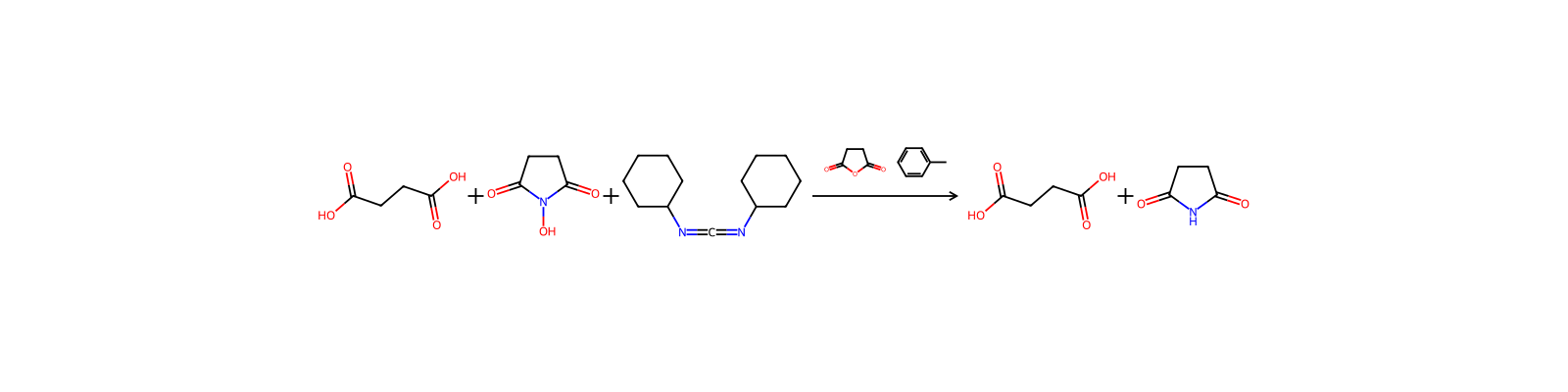
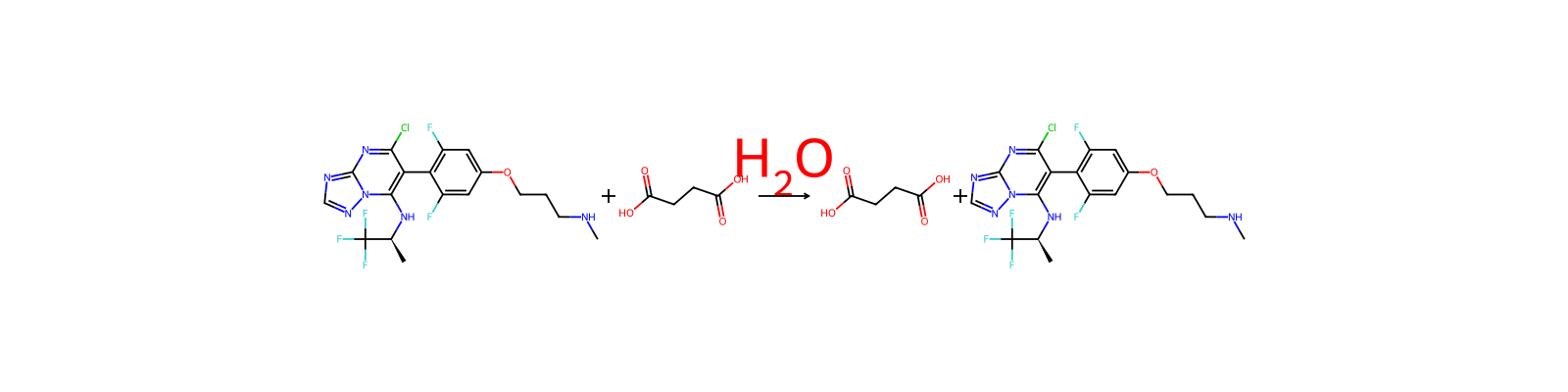
関連反応
340 件



関連ノート
読み込み中…