
基本情報
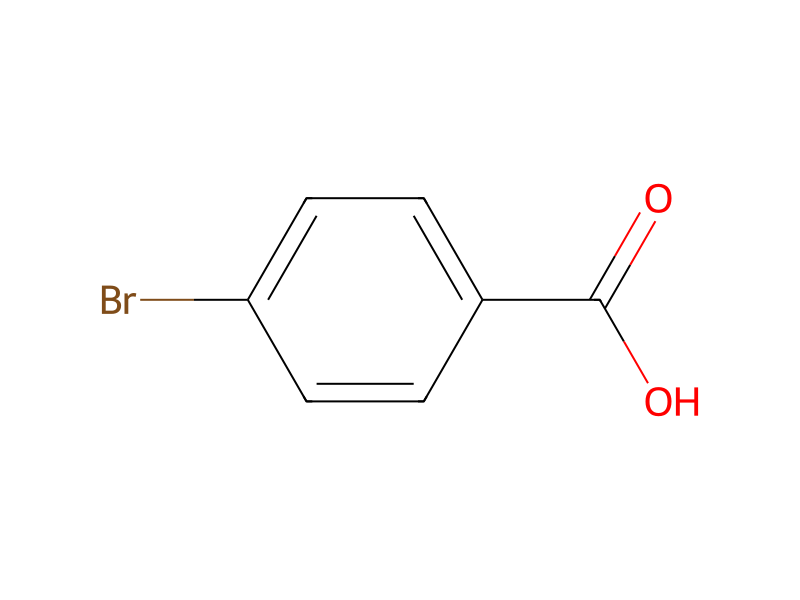
- 標準SMILES
O=C(O)c1ccc(Br)cc1- InChIKey
TUXYZHVUPGXXQG-UHFFFAOYSA-N- 分子式
- C7H5BrO2
- 平均分子量
- 201.02 g/mol
- 単同位体質量
- 199.9472915
概要
4-bromobenzoic acid appears as colorless to red crystals. (NTP, 1992)
名称と識別子
- 優先名称
- 4-Bromobenzoic acid
- IUPAC
- 4-bromobenzoic acid
- 現地名
- 4-ブロモ安息香酸
- 英語名
- 4-Bromobenzoic acid
- 分子式
- C7H5BrO2
- 分子量
- 201.02
名称と別名
4-Bromobenzoic acid586-76-5P-BROMOBENZOIC ACIDBenzoic acid, 4-bromo-p-Carboxybromobenzenep-Bromobenzenecarboxylic acidBenzoic acid, p-bromo-4-Brom-benzoesaeure4-carboxybromobenzeneEINECS 209-581-74-bromobenzenecarboxylic acidNSC 17582
名称をさらに表示
4-ブロモ安息香酸p-ブロモ安息香酸pブロモ安息香酸4-ブロモ安息香酸 臭化物P‐ブロモ安息香酸4-ブロモ安息香酸, 98+%4-bromo-benzoicaci4-Bromobenzoic aicdBenzoicacid,4-bromo-'LGC' (4008)Homarine HCL4-BrombenzoesureAKOS BBS-00003716p-bromo-benzoicaci
BRN 1906923AI3-08859NSC-17582BROMOBENZOIC ACID, P-6992P6102ODTXSID7060413CHEBI:606984-BROMOBENZOIC ACID [MI]
データベース識別子
- CAS
586-76-5- PubChem CID
- 11464
- DTXSID
DTXSID7060413- ChEMBL
CHEMBL22051- ChEBI
CHEBI:60698- UNII
- 6992P6102O
- EC Number
- 209-581-7
- Nikkaji
- J43.481G
物性
構造計算による物性
- XLogP
- 2.9
- 極性表面積
- 37.3 Ų
- 水素結合供与体数
- 1
- 水素結合受容体数
- 2
- 回転可能結合数
- 1
- 重原子数
- 10
- 形式電荷
- 0
- 複雑度
- 128
実験および物理化学的性質
Chemical ClassesOther Classes -> Benzoic Acid Derivatives
SpringerMaterials PropertiesCrystal structure
LogP2.86
Melting Point473.9 °F (NTP, 1992)
Physical Description
4-bromobenzoic acid appears as colorless to red crystals. (NTP, 1992)
Solid; [Merck Index] Colorless to red solid; [CAMEO] Beige powder; [Aldrich MSDS]
物理化学的性質
- 融点
- 252 · 252-254 °C (lit.)
- 沸点
- 116 °C · 116 °C(Press: 15-16 Torr)
- 比重(密度)
- 1 · 1,894 g/cm3
- 屈折率
- 1.608 · 1.6080 (estimate)
- 貯蔵温度
- Sealed in dry,Room Temperature
- 溶解性
- 5 % · エタノール:可溶5%
- 外見
- 結晶または粉末
- 酸解離定数(Pka)
- 3.96 · 3.96(at 25℃)
- 色
- 白~ベージュ~ピンクブラウン
- 水溶解度
- 熱湯に溶ける
- Merck
- 14 · 14,1408
- BRN
- 1906923 · 1906923
- 安定性
- 安定。強力な酸化剤とは相容れない。
- 化粧品成分の機能
- スキンコンディショニング
- InChI
- 1S/C7H5BrO2/c8-6-3-1-5(2-4-6)7(9)10/h1-4H,(H,9,10)
- InChIKey
- TUXYZHVUPGXXQG-UHFFFAOYSA-N
- SMILES
- OC(=O)c1ccc(Br)cc1
- CAS データベース
- 586 · 586-76-5(CAS DataBase Reference)
- NISTの化学物質情報
- 4 · Benzoic acid, 4-bromo-(586-76-5)
- EPAの化学物質情報
- 4 · 4-Bromobenzoic acid (586-76-5)
化学的性質
化学的特性White to light yellow crystal powder
安全と法規制
GHS分類
GHS Classification
Danger
H302 (95.2%): Harmful if swallowed [Warning Acute toxicity, oral]
P261, P262, P264, P264+P265, P270, P271, P273, P280, P301+P317, P302+P352, P304+P340, P305+P351+P338, P316, P317, P319, P321, P330, P332+P317, P337+P317, P361+P364, P362+P364, P391, P403+P233, P405, and P501 (click each P-code to see the statement)
Aggregated GHS information provided per 63 reports by companies from 13 notifications to the ECHA C&L Inventory. Each notification may be associated with multiple companies.
危険有害性情報
Regulatory Information
Chemical: Benzoic acid, 4-bromo-
Benzoic acid, 4-bromo-: Does not have an individual approval but may be used under an appropriate group standard
Health HazardsACUTE/CHRONIC HAZARDS: Explodes above its melting point. (NTP, 1992)
Hazards SummaryAn irritant; Harmful by ingestion; [Aldrich MSDS]
Reactive GroupAcids, Carboxylic
Reactivity Profile
Carboxylic acids donate hydrogen ions if a base is present to accept them. They react in this way with all bases, both organic (for example, the amines) and inorganic. Their reactions with bases, called "neutralizations", are accompanied by the evolution of substantial amounts of heat. Neutralization between an acid and a base produces water plus a salt. Carboxylic acids with six or fewer carbon atoms are freely or moderately soluble in water; those with more than six carbons are slightly soluble in water. Soluble carboxylic acid dissociate to an extent in water to yield hydrogen ions. The pH of solutions of carboxylic acids is therefore less than 7.0. Many insoluble carboxylic acids react rapidly with aqueous solutions containing a chemical base and dissolve as the neutralization generates a soluble salt. Carboxylic acids in aqueous solution and liquid or molten carboxylic acids can react with active metals to form gaseous hydrogen and a metal salt. Such reactions occur in principle for solid carboxylic acids as well, but are slow if the solid acid remains dry. Even "insoluble" carboxylic acids may absorb enough water from the air and dissolve sufficiently in it to corrode or dissolve iron, steel, and aluminum parts and containers. Carboxylic acids, like other acids, react with cyanide salts to generate gaseous hydrogen cyanide. The reaction is slower for dry, solid carboxylic acids. Insoluble carboxylic acids react with solutions of cyanides to cause the release of gaseous hydrogen cyanide. Flammable and/or toxic gases and heat are generated by the reaction of carboxylic acids with diazo compounds, dithiocarbamates, isocyanates, mercaptans, nitrides, and sulfides. Carboxylic acids, especially in aqueous solution, also react with sulfites, nitrites, thiosulfates (to give H2S and SO3), dithionites (SO2), to generate flammable and/or toxic gases and heat. Their reaction with carbonates and bicarbonates generates a harmless gas (carbon dioxide) but still heat. Like other organic compounds, carboxylic acids can be oxidized by strong oxidizing agents and reduced by strong reducing agents. These reactions generate heat. A wide variety of products is possible. Like other acids, carboxylic acids may initiate polymerization reactions; like other acids, they often catalyze (increase the rate of) chemical reactions.
Air and Water ReactionsNo rapid reaction with air. No rapid reaction with water.
Hazard Classes and CategoriesAcute Tox. 4 (95.2%)
安全と保護具
Fire FightingA fire in your laboratory involving this chemical should be extinguished with a dry chemical, carbon dioxide or halon extinguisher. (NTP, 1992)
First Aid
EYES: First check the victim for contact lenses and remove if present. Flush victim's eyes with water or normal saline solution for 20 to 30 minutes while simultaneously calling a hospital or poison control center. Do not put any ointments, oils, or medication in the victim's eyes without specific instructions from a physician. IMMEDIATELY transport the victim after flushing eyes to a hospital even if no symptoms (such as redness or irritation) develop.
Personal Protective Equipment (PPE)
RECOMMENDED RESPIRATOR: Where the neat test chemical is weighed and diluted, wear a NIOSH-approved half face respirator equipped with an organic vapor/acid gas cartridge (specific for organic vapors, HCl, acid gas and SO2) with a dust/mist filter.
安全データ
- wgk
- 3
- tsca
- TSCA listed
- rtecs
- DG4448050
- hs_code
- 29163900
- risk_code
- 22-36/37/38-36-37/38
- 化審法
- (3)-62, (9)-1250
- hazard_code
- Xn,Xi
- hazard_note
- Irritant
- safety_code
- 26-36-24/25-22-37/39
- Hazard Classifications
- Acute Tox. 4 Oral
- ストレージクラス
- 11 - Combustible Solids
化学と産業
用途と製造
UsesUsed to detect strontium in organic syntheses; [Merck Index]
General Manufacturing InformationBenzoic acid, 4-bromo-: ACTIVE
応用分野
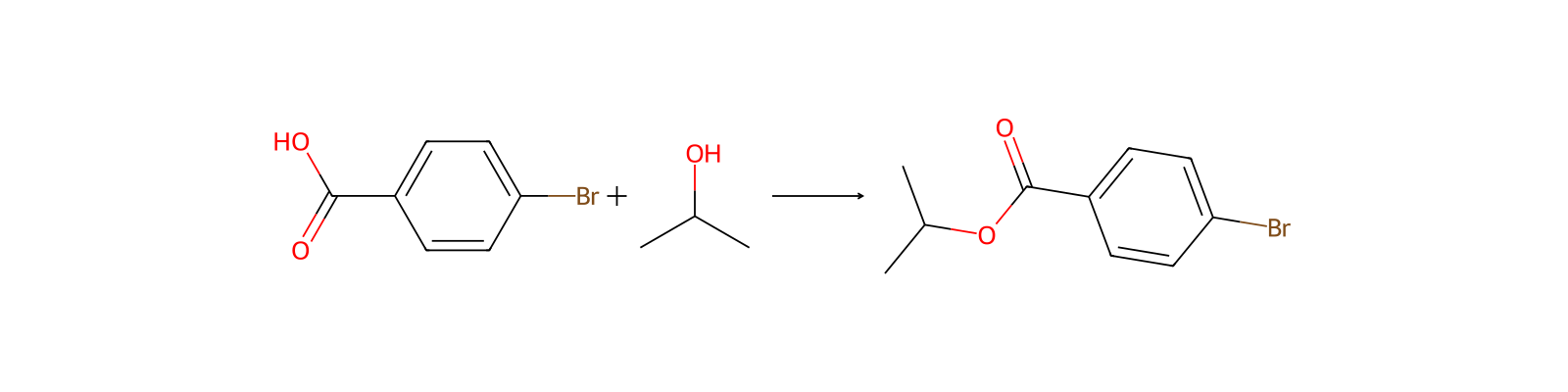
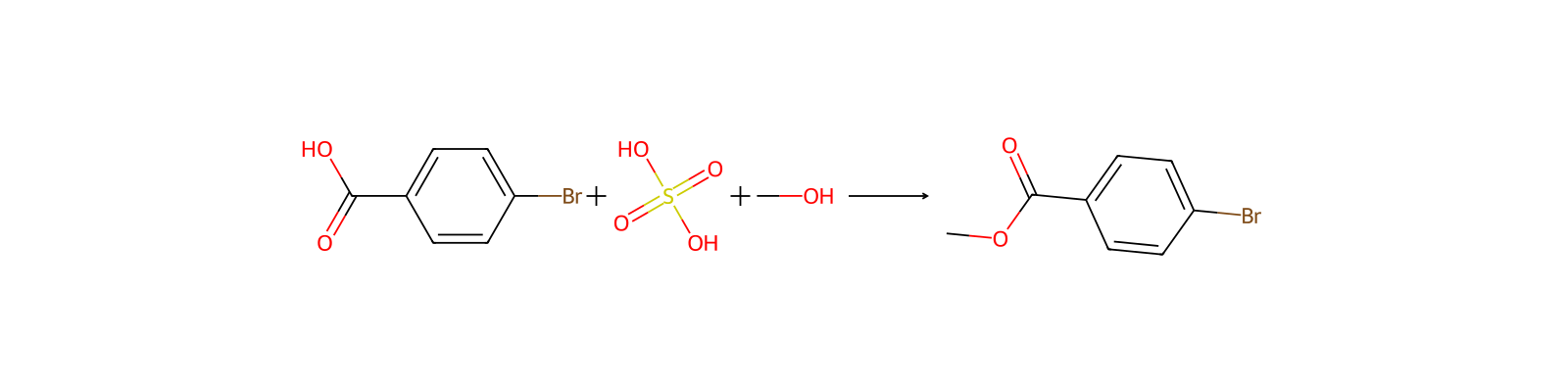
用途4-ブロモ安息香酸は重要なファインケミカルで、香料の原料、4-ブロモ安息香酸エステルの中間体、ストロンチウムの測定基準、炭素、水素、臭素を測定する有機微量分析に使用されています。
使用4-Bromobenzoic acid was used to study the metabolic fate of 2-,3-and 4-bromo benzoic acids in rat hepatocytes incubation using high temperature liquid chromatography. It was used in bromine-specific detection of the metabolites of 2-,3-and 4-bromobenzoic acid in the urine and bile of rats by inductively coupled plasma mass spectrometry. It is also used as an intermediate for the synthesis of agrochemicals, pharmaceutical, chemical intermediates and liquid crystals.
一般的な説明Colorless to red crystals.
調製方法
製造方法4-Bromobenzoic acid is obtained by the reaction of p-bromotoluene with glacial acetic acid as the molten agent and oxygen as the oxidant, utilising a liquid-phase oxidation catalytic method under the action of a catalyst. The catalyst is a combination of acetic acid cobalt, manganese acetate, and bromide compounds.
純化方法Crystallise the acid from MeOH, or MeOH/water mixture, 90% EtOH and Et2O. The methyl ester has m 81o from Et2O or dilute MeOH. The anilide has m 197o (from EtOH). [Male & Thorp J Am Chem Soc 35 269 1913, Lamneck J Am Chem Soc 76 406 1954, Vandenbelt et al. Anal Chem 26 926 1954, Beilstein 9 IV 1017.]
上流・下流製品情報
上流原料
下流製品
サプライヤー50 社
国药集团化学试剂有限公司86-21-63210123 · [email protected]
梯希爱(上海)化成工业发展有限公司021-67121386 · [email protected]
上海阿拉丁生化科技股份有限公司400-6206333 13167063860 · [email protected]
上海泰矶林实业有限公司02150630626 17717886015 · [email protected]
T&W GROUP021-61551611 13296011611 · [email protected]
爱斯特(成都)生物制药股份有限公司+86-28-85122536 85324413 · [email protected]
上海如吉生物科技发展有限公司+86-21-65211385-8001 36031160 · [email protected]
山东兴润达化工有限公司0534-18615348689 18615348689
韶远科技(上海)有限公司021-50795510 4000665055 · [email protected]
科瑞迪化学400-821-5857 021-64326257 · [email protected]
上海将来实业股份有限公司400-0066400 13621662912 · [email protected]
上海迈瑞尔生化科技有限公司4006356688 18621169109 · [email protected]
武汉易泰科技有限公司上海分公司18930552037 · [email protected]
阿法埃莎(中国)化学有限公司400-6106006 · [email protected]
太原市瑞和丰科贸有限公司+86 351 7031519 · [email protected]
上海德默医药科技有限公司400-021-7337 2355568890 · [email protected]
安耐吉化学&3A(安徽泽升科技股份有限公司)400-0056266 · [email protected]
武汉凯威斯科技有限公司86-027-67849912 · [email protected]
上海瀚鸿科技股份有限公司021-54306202 13764082696 · [email protected]
上海柯维化学技术有限公司021-64609169 18901607656 · [email protected]
济南德信佳生物科技有限公司0531-82375886 13001715031 · [email protected]
上海相辉医药科技有限公司13761987713 · [email protected]
上海景颜化工科技有限公司13817811078 · [email protected]
嘉兴市艾森化工有限公司0573-85285100 18627885956 · [email protected]
上海缤马科技有限公司15262241608 · [email protected]
孝感深远化工有限公司15527621225; 15527621225 · [email protected]
苏州施亚生物科技有限公司86(512)5235 8471 17715136450 · [email protected]
山东西亚化学有限公司13355009207 13355009207 · [email protected]
玛雅试剂+86 (573) 82222445 (0)18006601000 452520369 · [email protected]
四川库利南科技有限公司400-1166-196 18981987031 · [email protected]
上海耐士化工科技有限公司400-188-0725 +86 21 34310725 13611771617
天津希恩思生化科技有限公司400 638 7771 · [email protected]
河南多贝化工有限公司0370-2785118 17550508557 · [email protected]
艾科试剂4008-755-333 18080918076 · [email protected]
上海思域化工科技有限公司86-21-34053660 · [email protected]
赛默飞世尔科技(中国)有限公司800-810-5118 · [email protected]
北京伊诺凯科技有限公司400-810-7969 010-59572699 · [email protected]
上海特伯化学科技有限公司+86-21-60341587 · [email protected]
江苏艾康生物医药研发有限公司025-66113011 13913916777 · [email protected]
TCI AMERICA800-4238616 · [email protected]
TOKYO CHEMICAL INDUSTRY CO., LTD.03-36680489 · [email protected]
TCI Europe320-37350700 · [email protected]
上海贤鼎生物科技有限公司4009209199 · [email protected]
武汉凯美克化学科技有限公司027-87342388 18086026008 · [email protected]
深圳康特腾科技有限公司86-0755-86635001 · [email protected]
越林试剂021-62960152 · [email protected]
无锡中坤生化科技有限公司+86 0510-85629785
北京环宇世纪化学科技有限公司hysj_bj.com
上海湄水化工科技有限公司021-60549325 18616193163
上海将来实业股份有限公司400-0066400 13621662912 · [email protected]
補足説明
定義ChEBI: A bromobenzoic acid carrying a single bromo subsituent at the 4-position.
関連反応
214 件
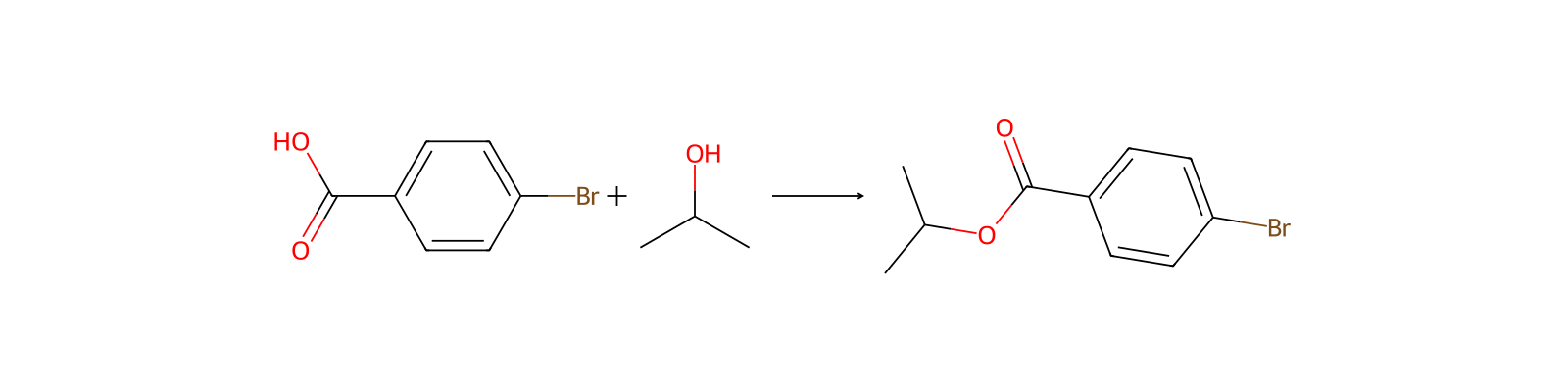
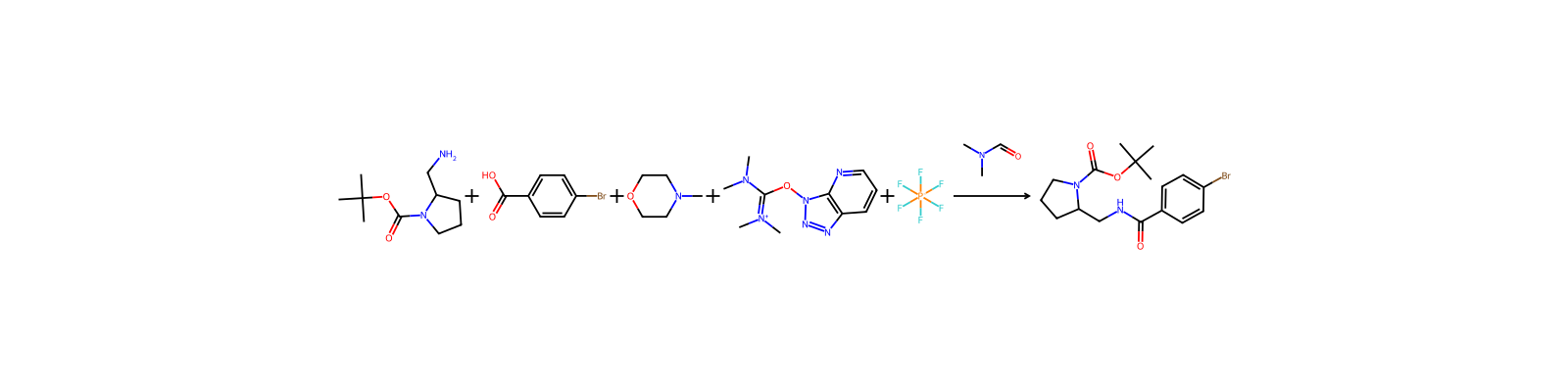
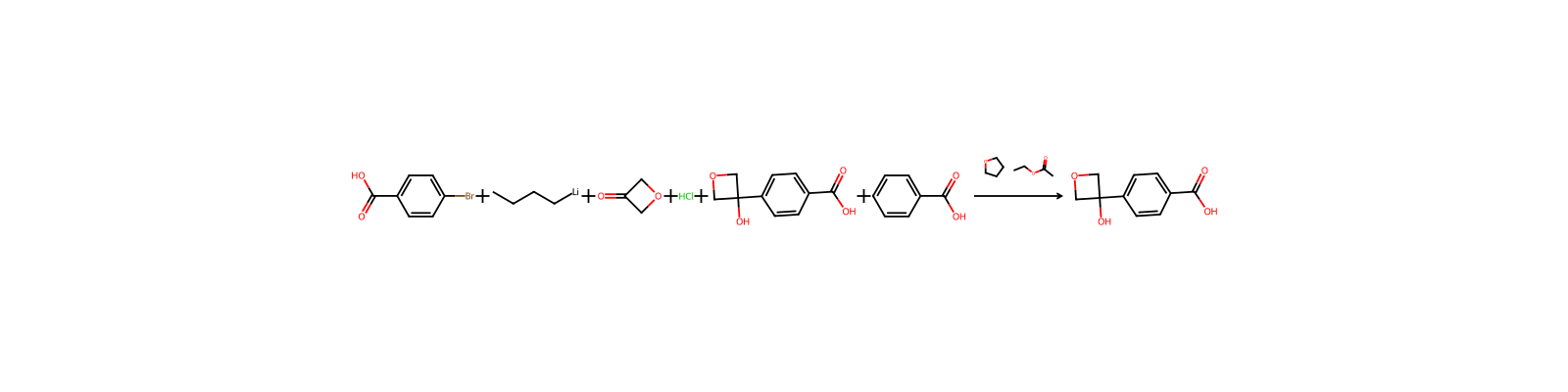

関連ノート
読み込み中…