ホームMCPワークベンチSkills
ホームワークベンチ通知マイページ
llms.txt · MCPガイドプライバシーポリシー · 利用規約 · サポートv1.8.0
  1. ホーム
  2. /化合物

ジメチルジスルフィド

Dimethyl Disulfide

HCID 12232
ノートを作成反応を作成見積依頼を出す
印刷プレビュー

データを補完しています。しばらくしてからページを更新すると最新の内容を表示できます

基本情報概要名称と識別子物性安全と法規制化学と産業関連反応化合物ノート
部分構造検索類似構造を探す

基本情報

CAS
624-92-0
標準SMILES
CSSC
InChIKey
WQOXQRCZOLPYPM-UHFFFAOYSA-N
分子式
C2H6S2
平均分子量
94.2 g/mol
単同位体質量
93.99109254

概要

Dimethyl disulfide appears as a colorless oily liquid with a garlic-like odor. Denser than water and slightly soluble in water. Vapors heavier than air. May irritate skin and eyes. Used to make other chemicals.

名称と識別子

優先名称
Dimethyl Disulfide
IUPAC
(methyldisulfanyl)methane
現地名
ジメチルジスルフィド
英語名
Dimethyl disulfide
分子式
C2H6S2
分子量
94.2

名称と別名

Dimethyl disulfide624-92-0METHYL DISULFIDE(Methyldisulfanyl)methaneDMDSDimethyldisulfideDimethyl disulphide2,3-DithiabutaneDisulfide, dimethylMethyldithiomethaneMethyldisulfide(Methyldithio)methane
名称をさらに表示
ジメチルジスルフィドメチルジチオメタンジメチルペルスルフィドジメチルジスルファンジメチルペルジスルフィド二硫化メチル2,3-ジチアブタン二硫化ジメチルニ硫化メチル1,2-ジメチルジスルファンメチルジスルフィドメチルジスルフィド, 2000 µg/mL in Tolueneニ硫化ジメチル1,2-dimethyldisulfanemdsFEMA 3536DimethyldisulfidDisulfide,dimethyl143B(CH3S)2
Sulfa-hitechFEMA No. 3536DTXSID4025117AI3-253053P8D642K5ENSC-9370CHEBI:4608DTXCID805117

データベース識別子

CAS
624-92-0、68920-64-9
PubChem CID
12232
DTXSID
DTXSID4025117
ChEMBL
CHEMBL1347061
ChEBI
CHEBI:4608
UNII
3P8D642K5E
EC Number
210-871-0
Nikkaji
J1.683G

物性

構造計算による物性補完中

XLogP
1.8
極性表面積
50.6 Ų
水素結合供与体数
0
水素結合受容体数
2
回転可能結合数
1
重原子数
4
形式電荷
0
複雑度
6

実験および物理化学的性質

Chemical Classes · 2 件

Other Classes -> Sulfur Compounds

Flammable agents - 3rd degree

SpringerMaterials PropertiesSchoenflies notation
FragrancesFragrance Ingredient (Dimethyl disulfide) -> IFRA transparency List
Pesticides · 2 件

Fungicides, Nematicides

Active substance -> EU Pesticides database: Pending

LogP · 4 件

log Kow = 1.77

1.77

1.77

1.77

Odor · 3 件

Garlic-like

Sulfurous

Diffuse, intense onion odor

Food AdditivesFLAVORING AGENT OR ADJUVANT -> FDA Substance added to food
Density · 6 件

1.065 at 68 °F (NTP, 1992) - Denser than water; will sink

1.0625 g/cu cm at 20 °C

Relative density (water = 1): 1.06

1.058-1.065 (20 °C)

1.065

1.0625 @ 20°C

Flavoring AgentsEU Flavoring substances

安全と法規制

安全情報は参考情報です。供給元の安全データシート(SDS)、適用法令、専門家による評価に代わるものではありません。

GHS分類

GHS Classification · 6 件

Danger

H225: Highly Flammable liquid and vapor [Danger Flammable liquids]

P210, P233, P240, P241, P242, P243, P260, P261, P264, P264+P265, P270, P271, P272, P273, P280, P301+P316, P302+P352, P303+P361+P353, P304+P340, P305+P351+P338, P308+P316, P316, P319, P321, P330, P333+P317, P337+P317, P362+P364, P370+P378, P391, P403+P233, P403+P235, P405, and P501 (click each P-code to see the statement)

This chemical does not meet GHS hazard criteria for < 0.1% (1 of 1592) of reports.

Danger

H225 (17.7%): Highly Flammable liquid and vapor [Danger Flammable liquids]

危険有害性情報

Regulatory Information · 6 件

Chemical: Disulfide, dimethyl

Regulation (EC) No 1107/2009 (amended)

Disulfide, dimethyl is listed on the EPA's Chemical Data Reporting (CDR) system. Manufacturers and importers of Disulfide, dimethyl are required to report information about their production and use of this chemical to the EPA under the Toxic Substances Control Act (TSCA). (40 eCFR Part 711)

REACH registered substance: Dimethyl disulphide (EC: 210-871-0)

Disulfide, dimethyl: HSNO Approval: HSR001134 Approved with controls

The New Jersey Worker and Community Right to Know Act requires public and private employers to provide information about hazardous substances at their workplaces. (N.J.S.A. 34:5A-1 et. seq.)

DOT LabelFlammable Liquid Poison
Fire Hazards · 3 件

Excerpt from ERG Guide 131 [Flammable Liquids - Toxic]:

· HIGHLY FLAMMABLE: Will be easily ignited by heat, sparks or flames.

Highly flammable. Gives off irritating or toxic fumes (or gases) in a fire. Above 10 °C explosive vapour/air mixtures may be formed.

Fire PotentialA very dangerous fire hazard when exposed to heat, flame, or oxidizers.

化学と産業

薬理情報

Bionecessity · 1 件

Chemical analysis of Zapoteca formosa extracts show that a variety of volatile sulfur-containing components, including cyclic polysulfides, are responsible for the distinctive odor of its germinating seeds and young plants. The major sulfur-containing compounds include acetyl djenkolic acid, djenkolic acid, taurine, cystine, benzothiazole, dimethyl disulfide, 2,4-dithiapentane, 2-hydroxyethylmethylsulfide, trithiane, 1,2,4-trithiolane, and 1,2,4,6-tetrathiepane. Decreased amounts of djenkolic acid in seedlings and young plants, as compared to the seed, indicate that this is likely the metabolic precursor of the volatile sulfur components. Germination and radicle elongation assays show that germinating seeds of Zapoteca and mixtures of volatile sulfur-containing compounds are highly phytotoxic to Cucumis sativa, Lactuca sativa, Lycopersicon esculentum, and Acacria farnesiana.

Mechanism of Action · 2 件

The plant-derived insecticides have introduced a new concept in insecticide research. In response to insect attacks, some plants can release volatile sulfur compounds such as dimethyl disulfide (DMDS) in the atmosphere, which are lethal for the generalist insects. /The authors/ demonstrate that DMDS induced an uncommon complex neurotoxic activity. The studies of in vivo toxicity of DMDS in three insect species and mice indicated a highest bioactivity for insects. Although DMDS did not alter the electrophysiological properties of the cockroach Periplaneta americana giant axon, it affected the synaptic transmission at the presynaptic level resulting in an inhibition of the neurotransmitter release. Whole cell patch-clamp experiments performed on cockroach cultured dorsal unpaired median (DUM) neurons revealed a dose-dependent hyperpolarization induced by DMDS associated with a decrease in the input resistance and the disappearance of action potentials. The hyperpolarization was inhibited by glibenclamide and tolbutamide, and was dependent on intracellular ATP concentration, demonstrating a neurotoxicity via the activation of KATP channels. Finally, the same effects observed with oligomycin, 2,4-dinitrophenol, and KCN together with the studies of DMDS toxicity on isolated mitochondria confirmed an unusual action occurring through an inhibition of the mitochondrial respiratory chain complex IV (cytochrome oxydase). This DMDS-induced inhibition of complex IV subsequently decreased the intracellular ATP concentration, which thereby activated neuronal KATP channels mediating membrane hyperpolarization and reduction of neuronal activity.

関連反応

613 件
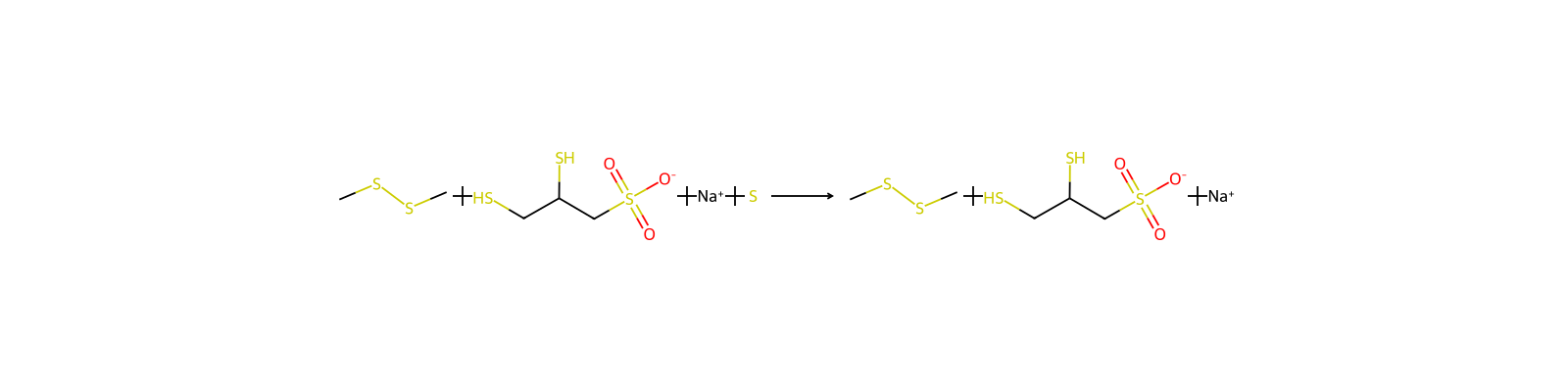
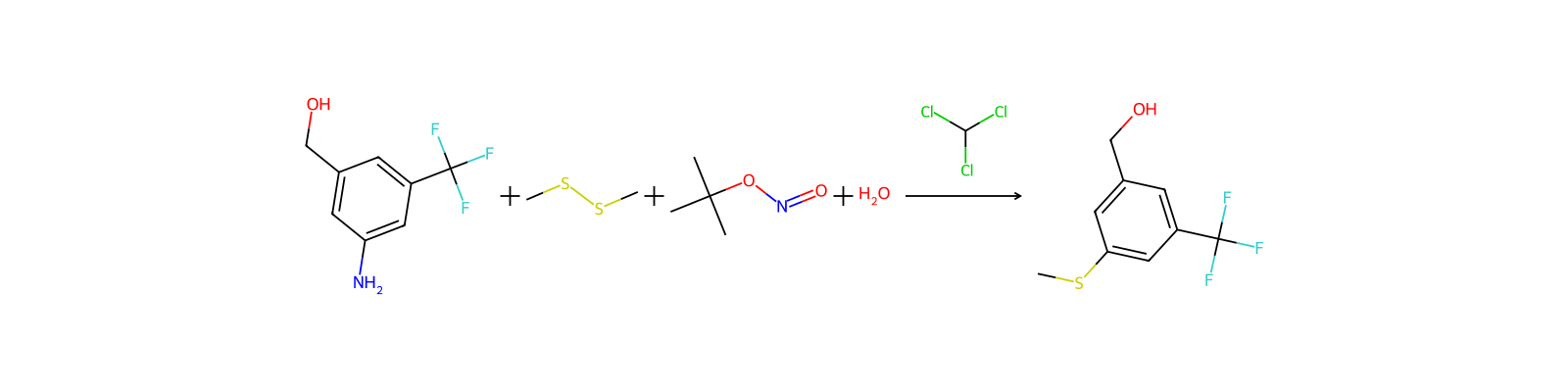
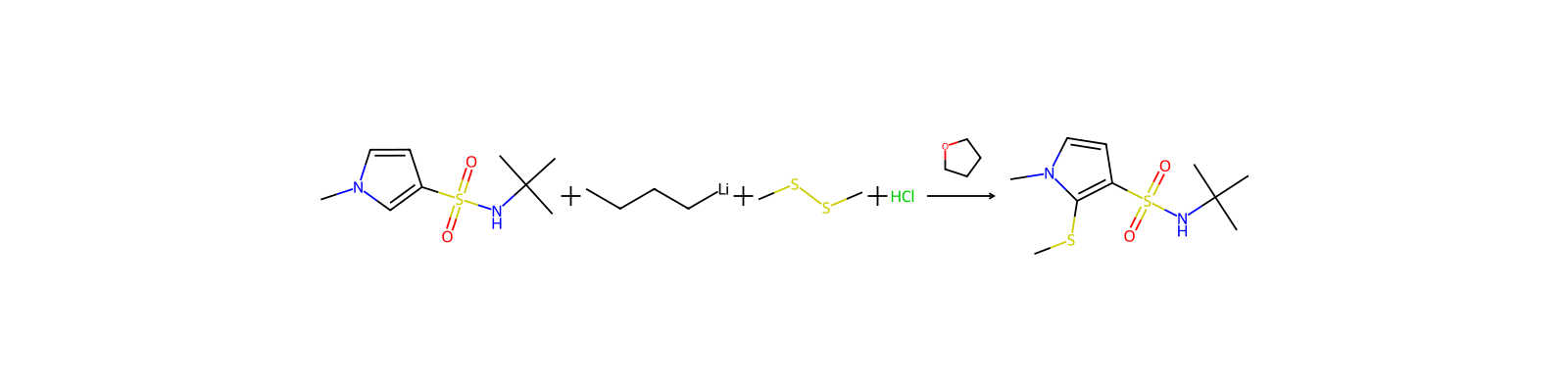
反応記録を作成
HRID 816 の反応式
HRID 816反応物としてuspto-grants-1998_03
HRID 4255 の反応式
HRID 4255反応物としてuspto-grants-1988_02
HRID 12617 の反応式
HRID 12617反応物としてuspto-grants-2010_06
HRID 17061 の反応式
HRID 17061反応物としてuspto-grants-2010_06
HRID 21451 の反応式
HRID 21451反応物としてuspto-grants-1995_06
HRID 21462 の反応式
HRID 21462反応物としてuspto-grants-1995_06
HRID 21610 の反応式
HRID 21610反応物としてuspto-grants-1995_06
HRID 25338 の反応式
HRID 25338反応物としてuspto-grants-2005_02
1 / 77 ページ

化合物ノート

読み込み中…

このページの内容基本情報概要名称と識別子物性安全と法規制化学と産業関連反応化合物ノート
その他の操作
ノートを作成反応を作成見積依頼を出す
Viscosity · 2 件

0.62 mPa.sec at 20 °C

0.58 mm²/s at 20 °C

Color/Form · 3 件

Yellow liquid

Liquid

Colorles to pale-yellow liquid

Solubility · 6 件

less than 1 mg/mL at 68 °F (NTP, 1992)

Insoluble in water

Miscible with ethanol, ethyl ether

Completely miscible with most organic solvents

Very slightly soluble in water; soluble in alcohol and oils

3 mg/mL at 25 °C

物理化学的性質

融点
-85 °C · -85 °C
沸点
109 °C · 109 °C(lit.)
比重(密度)
1.0625 · 1.0625
蒸気密度
3.24 · 3.24 (vs air)
蒸気圧
22 mm · 22 mm Hg ( 20 °C)
屈折率
20 · n20/D 1.525(lit.)
FEMA
3536 · 3536 | DIMETHYL DISULFIDE
闪点
76 °F · 76 °F
貯蔵温度
Flammables area
溶解性
2.7 g/リットル · 2.7g/リットル
外見
液体
比重
1.0647 · 1.0647 (20/4℃)
色
クリアイエロー
臭い (Odor)
0.1 %。硫黄野菜キャベツ玉ねぎ · プロピレングリコール中0.10%。硫黄野菜キャベツ玉ねぎ
においのタイプ
硫黄の
臭気閾値(Odor Threshold)
0.0022 ppm · 0.0022ppm
由来生物
rabbit
爆発限界(explosive limit)
1.1 · 1.1-16.1%(V)
水溶解度
0.1 g/100 · <0.1 g/100 mL で 20 ºC
比熱容量
1.55 J/ · Cp(liquid): 1.55 J/(g·K), at 25℃
JECFA Number
564 · 564
BRN
1730824 · 1730824
Henry's Law Constant
5.8 · 5.8×10-3 mol/(m3Pa) at 25℃, Burkholder et al. (2019)
Dielectric constant
9.77 · 9.7699999999999996
安定性
安定。強塩基、強酸化剤、強還元剤とは相容れない。可燃性。
InChI
1S/C2H6S2/c1-3-4-2/h1-2H3
InChIKey
WQOXQRCZOLPYPM-UHFFFAOYSA-N
SMILES
CSSC
LogP
1.91 at · 1.91 at 20℃
CAS データベース
624 · 624-92-0(CAS DataBase Reference)
NISTの化学物質情報
Disulfide, dimethyl(624-92-0)
EPAの化学物質情報
Methyl disulfide (624-92-0)
化学的性質 · 2 件

化学的特性colourless to yellow liquid with a very unpleasant smell, insoluble in water, Soluble in ethanol, ethyl ether and acetic acid. It is a strong odor component irritant which is also included in garlic and has been designated as a specific malodorous substances based on the Offensive Odor Control Law. Its detection threshold shows 0.002 ppm, which senses a low concentration equivalent to Dimethyl sulfide.

化学性质沸点110℃(13mmHg)

Health Hazards · 2 件

Excerpt from ERG Guide 131 [Flammable Liquids - Toxic]:

· TOXIC; may be fatal if inhaled, ingested or absorbed through skin.

Hazards Summary · 1 件

A mild skin irritant, dimethyl disulfide is toxic by inhalation, skin absorption, and ingestion. Workers are warned by the nauseating odor, but those exposed to high concentrations may experience fatigue, dyspnea, and upper respiratory tract irritation. At lethal concentrations, animals suffer severe lung injury and paralysis of respiratory muscles. [CHEMINFO] Showed weak to moderate sensitizing potential in local lymph node assay (LLNA) of mice; [EPA - TSCATS]

DOT ID and Guide2381 131
FDA Requirements · 1 件

Methyl disulfide is a food additive permitted for direct addition to food for human consumption as a synthetic flavoring substance and adjuvant in accordance with the following conditions: a) they are used in the minimum quantity required to produce their intended effect, and otherwise in accordance with all the principles of good manufacturing practice, and 2) they consist of one or more of the following, used alone or in combination with flavoring substances and adjuvants generally recognized as safe in food, prior-sanctioned for such use, or regulated by an appropriate section in this part.

Reactive GroupSulfides, Organic
EC ClassificationSymbol: F, Xn, N; R: 11-20/22-36/37-43-50/53; S: 16-26-33-36/37-60-61
UN ClassificationUN Hazard Class: 3; UN Subsidiary Risks: 6.1; UN Pack Group: II
Reactivity AlertsHighly Flammable

安全と保護具

Fire Fighting · 2 件

Excerpt from ERG Guide 131 [Flammable Liquids - Toxic]:

Use water spray, powder, foam, carbon dioxide. In case of fire: keep drums, etc., cool by spraying with water.

First Aid Measures · 4 件

Fresh air, rest. Refer for medical attention.

Remove contaminated clothes. Rinse and then wash skin with water and soap. Refer for medical attention .

First rinse with plenty of water for several minutes (remove contact lenses if easily possible), then refer for medical attention.

Rinse mouth. Do NOT induce vomiting. Give nothing to drink. Refer for medical attention .

Accidental Release Measures · 2 件

· CALL 911. Then call emergency response telephone number on shipping paper. If shipping paper not available or no answer, refer to appropriate telephone number listed on the inside back cover.

· ELIMINATE all ignition sources (no smoking, flares, sparks or flames) from immediate area.

First Aid · 2 件

EYES: First check the victim for contact lenses and remove if present. Flush victim's eyes with water or normal saline solution for 20 to 30 minutes while simultaneously calling a hospital or poison control center. Do not put any ointments, oils, or medication in the victim's eyes without specific instructions from a physician. IMMEDIATELY transport the victim after flushing eyes to a hospital even if no symptoms (such as redness or irritation) develop.

General First Aid:

Safe StorageFireproof. Well closed. Separated from oxidants. Store in an area without drain or sewer access. Provision to contain effluent from fire extinguishing.
Exposure Control and Personal Protection· Wear positive pressure self-contained breathing apparatus (SCBA).
Nonfire Spill ResponseExcerpt from ERG Guide 131 [Flammable Liquids - Toxic]:
Disposal Methods · 1 件

SRP: At the time of review, criteria for land treatment or burial (sanitary landfill) disposal practices are subject to significant revision. Prior to implementing land disposal of waste residue (including waste sludge), consult with environmental regulatory agencies for guidance on acceptable disposal practices.

Spillage Disposal · 1 件

Evacuate danger area! Consult an expert! Remove all ignition sources. Personal protection: filter respirator for organic gases and vapours adapted to the airborne concentration of the substance. Ventilation. Do NOT wash away into sewer. Do NOT let this chemical enter the environment. Collect leaking and spilled liquid in sealable containers as far as possible. Absorb liquid in sand or inert absorbent. Carefully collect remainder in sealable containers. Store and dispose of according to local regulations.

Preventive Measures · 1 件

SRP: Contaminated protective clothing should be segregated in such a manner so that there is no direct personal contact by personnel who handle, dispose, or clean the clothing. Quality assurance to ascertain the completeness of the cleaning procedures should be implemented before the decontaminated protective clothing is returned for reuse by the workers. Contaminated clothing should not be taken home at end of shift, but should remain at employee's place of work for cleaning.

Isolation and Evacuation · 2 件

Excerpt from ERG Guide 131 [Flammable Liquids - Toxic]:

Immediate precautionary measure

Eye PreventionWear safety goggles.

毒性情報

Toxicological InformationRanking: 501 (total points: 368.53)
Body Burden · 1 件

For Fiscal Year 1982, dimethyl disulfide was detected, not quantified, in 27 of 46 composites of human adipose tissue as analyzed for EPA's National Human Adipose Tissue Survey (NHATS)(1). Dimethyl disulfide was qualitatively detected in 2 of 10 samples of expired air from humans(2); its presence was considered to be of metabolic origin(2). In an analysis of 387 expired air samples from 54 healthy, non-smoking adults, dimethyl disulfide was detected in 33.1 samples at a mean concentration of 1.94 ng/L(3). Dimethyl disulfide was qualitatively detected in 6 of 12 samples of human milk collected from volunteers in Bayonne, NJ, Jersey City, NJ, Bridgeville, PA, and Baton Rouge, LA(4). Dimethyl disulfide was identified, not quantified, in human urine samples(5).

Ecotoxicity Values · 5 件

LD50; Species: Colinus virginianus (Bobwhite quail) 31 weeks old; oral via capsule 320 mg/kg (95% confidence limit: 250-410 mg/kg)

EC50; Species: Anabaena flosaquae (Blue-Green Algae); Conditions: freshwater, static; Concentration: 320 ug/L for 96 hr (95% confidence limit: 110-900 ug/L); Effect: population abundance /99.6% purity/

EC50; Species: Navicula pelliculosa (Diatom); Conditions: freshwater, static; Concentration: 22000 ug/L for 96 hr (95% confidence limit: 20000-23000 ug/L); Effect: population abundance /99.6% purity/

EC50; Species: Pseudokirchneriella subcapitata (Green Algae); Conditions: freshwater, static; Concentration: 15000 ug/L for 72 hr (95% confidence limit: 11000-20000 ug/L); Effect: population abundance /99.9% purity/

For more Ecotoxicity Values (Complete) data for Dimethyl Disulfide (13 total), please visit the HSDB record page.

Environmental Fate · 3 件

TERRESTRIAL FATE: Based on a classification scheme(1), an estimated Koc value of 40(SRC), determined from a structure estimation method(2), indicates that dimethyl disulfide is expected to have very high mobility in soil(SRC). Volatilization of dimethyl disulfide from moist soil surfaces is expected to be an important fate process(SRC) given a Henry's Law constant of 1.21X10⁻³ atm-cu m/mole(3). Dimethyl disulfide is expected to volatilize from dry soil surfaces(SRC) based upon a vapor pressure of 28.7 mm Hg at 25 °C(4). Methyl disulfide had a 0% theoretical BOD using activated sludge in the Japanese MITI test(5) suggesting that biodegradation is not an important environmental fate process in soil(SRC). However, in a study using anoxic salt marsh sediments, dimethyl disulfide was rapidly reduced by 50% in 1-2 days to methanethiol(6), suggesting that biodegradation under anaerobic conditions is an important environmental fate process(SRC). Dimethyl disulfide absorbs UV light in the environmental spectrum and has been shown to photolyze rapidly, in gas phase, in sunlight(7,8); although photolysis rates on soil have not been measured, the surface half-life (for full sunlight exposure) may be similar to the several hour half-life observed for the gas phase(8). As well as releasing methyl disulfide in the gas phase, soil can also adsorb dimethyl disulfide from the gas phase and act as an environment sink(9); the relative importance of this process is not clear(SRC).

AQUATIC FATE: Based on a classification scheme(1), an estimated Koc value of 40(SRC), determined from a structure estimation method(2), indicates that dimethyl disulfide is not expected to adsorb to suspended solids and sediment(SRC). Volatilization from water surfaces is expected(3) based upon a Henry's Law constant of 1.21X10⁻³ atm-cu m/mole(4). Using this Henry's Law constant and an estimation method(3), volatilization half-lives for a model river and model lake are 3.5 hours and 4.1 days, respectively(SRC). According to a classification scheme(5), an estimated BCF of 0.3(SRC), from its log Kow of 1.77(6) and a regression-derived equation(7), suggests the potential for bioconcentration in aquatic organisms is low(SRC). Dimethyl disulfide absorbs UV light in the environmental spectrum and has been shown to photolyze rapidly, in gas phase in sunlight(8-9); although photolysis rates in water have not been measured, the near-surface half-life (for full sunlight exposure) may be similar to the several hour half-life observed in the gas phase(9). The aqueous hydrolysis of dimethyl disulfide at ambient temperatures and pHs <12 is too slow to be an important environmental fate process(10). Under anoxic conditions in salt marsh sediments, the initial concentration of methyl disulfide was reduced by 50% in 1-2 days(11). However, data for aerobic biodegradation indicate dimethyl disulfide is recalcitrant under these conditions(12).

ATMOSPHERIC FATE: According to a model of gas/particle partitioning of semivolatile organic compounds in the atmosphere(1), dimethyl disulfide, which has a vapor pressure of 28.7 mm Hg at 25 °C(2), is expected to exist solely as a vapor in the ambient atmosphere. Vapor-phase dimethyl disulfide is degraded in the atmosphere by reaction with photochemically-produced hydroxyl radicals(SRC); the half-life for this reaction in air is estimated to be 1.6 hours(SRC), calculated from its rate constant of 2.39X10⁻¹⁰ cu cm/molecule-sec at 25 °C(3). Direct photolysis (half-life of 3.2-4.6 hr at full sunlight)(4-5) and reaction with nitrate radicals (half-life of 1.1 hr during night-time hrs)(6) will also contribute to its atmospheric degradation. Physical removal from air can occur through gas phase sorption by soil(7).

Food Survey Values · 3 件

Reported found in sour cherry, guava, melon, peach, pineapple, strawberry, cabbage, kohlrabi, onion, garlic, shallot, leek, peas, potato, rutabaga, tomato, parsley, breads, many cheeses, yogurt, milk, eggs, fish, meas, hop oil, beer, Scotch whiskey, cognac, wine grapes, cocoa, coffee, peanut, peanut butter, pecan, potato chips, oats, soybean, beans, mushrooms, trassi, macadamia nut, mango, cauliflower, broccoli, brussels sprouts, rice, radish, sukiyaki, sake, watercress, malt, wort, krill, southern pea, loquat, sapodilla, shrimp, oyster, crab, crayfish, clam, scallops and squid.

Dimethyl disulfide has been identified in processed cassava products(1) and in volatile components of roasted filbert nuts(2), cooked potatoes(3), coffee(4), mature kiwi fruit(5), raw chicken breast(6), Welsh onions and scallions(7), scrambled eggs(8), chickpeas(9), fresh strawberries(10), cooked mutton, chicken, beef and pork volatiles(11), frankfurters(12), and cooked peas(13). dimethyl disulfide was detected in ground and whole musty sorghum(14).

Dimethyl disulfide concentrations of 0.64-2.51 ug/g garlic bulb were detected(1). Dimethyl disulfide was present in the volatiles formed by popping popcorn at 13 to 20 ug/kg(2). Mean dimethyl disulfide concentrations in anchovy, big eyed herring, hair tail viscera, and shrimp paste were 540, 32900, 182, and 224 ng/g, respectively(3). Dimethyl disulfide composed 2.32% of the total volatiles isolated from stir-fried garlic(4). Volatiles in Italian-type dry-cured Parma ham included dimethyl disulfide; at day 3 in the production process no dimethyl disulfide was present, by 485 days dimethyl disulfide concentration was 59 ng dodecane equivalents(5). Volatiles from spoiled Parma ham contained dimethyl disulfide at 36 ng dodecane equivalents(5). Mean dimethyl disulfide concentrations were 114.1, 30.2, and 25.9 ug/kg measured in honey derived form honeydew of Holm-oak, oak and forest, respectively(6).

Adverse EffectsNeurotoxin - Other CNS neurotoxin
Exposure RoutesThe substance can be absorbed into the body by inhalation, through the skin and by ingestion.
Milk Concentrations · 1 件

Dimethyl disulfide was qualitatively detected in 6 of 12 samples of human milk samples collected from volunteers in Bayonne, NJ, Jersey City, NJ, Bridgeville, PA, and Baton Rouge, LA(1). Volatiles from cold-stored cows milk contained dimethyl disulfide at unreported concentrations(2).

Plant Concentrations · 2 件

Volatile organic compounds emitted from Allium ursinum, planted as ground cover, contained dimethyl disulfide; an average emission rate for this compound was measured as 0.239 ug/g-hr (per unit of ground area 14.6 ug/sq m-hr)(1).

Plants containing dimethyldusulfide(1).[Table#5961]

Signs and Symptoms · 4 件

Cough. Sore throat. Headache. Nausea. Dizziness. Drowsiness.

EASILY ABSORBED! Redness. Further see Inhalation.

Redness. Pain.

See Inhalation.

Effluent Concentrations · 2 件

The average dimethyl disulfide concentration of wastewater effluent collected from the Los Angeles County treatment plant between Nov 1980 and Aug 1981 was 45 ug/L(1). Effluent from a 5-yr old community septic tank contained dimethyl disulfide at 29.7 ug/L(2). Dimethyl disulfide was detected in 3 of 63 wastewater effluents (concentration <100 ppb) collected from chemical manufacturing plants across the US(3). Dimethyl disulfide was detected in 5 of 204 water samples collected from 14 heavily industrialized river basins in the US(4). A dimethyl disulfide concentration of 1.2 mg/L was detected in a leachate collected from a Minnesota municipal solid waste landfill(5). Dimethyl disulfide was detected as a volatile compound in samples of kitchen waste, kitchen waste exudate, stored food exudate, and garden waste, previously collected as municipal waste, at unreported concentrations(6-7). Dimethyl disulfide was detected by headspace analysis in 4 of 4 biodegradable waste samples and 4 of 7 mixed waste samples(8). Dimethyl disulfide was detected in the volatile emissions from laboratory compost(9).

Dimethyl disulfide concentrations in biogas were 0-1020 ppbV in 8 samples taken Nov 2000 to Jun 2002; after gasses were passed through a scrubber, levels were decreased to <1-4 ppbV(1). Atmospheric emissions rates of dimethyl disulfide from 5 wetland plant soils in Florida ranged from <0.03 to 1.5 ug (sulfur basis)/sq m/hr(2); the dimethyl disulfide emitted resulted from biogenic formation(2). The estimated emission rates of dimethyl disulfide to the atmosphere from natural sources has been reported as follows (in million tons sulfur/yr)(3): oceanic: 0-1; salt marsh: 0.13; inland swamps: 0.2; soil and plants: 1; burning of biomass: 0-1; volcanoes and fumaroles: 0.01(3).

ICSC Environmental DataIt is strongly advised not to let the chemical enter into the environment. The substance is very toxic to aquatic organisms. The substance may cause long-term effects in the aquatic environment.

法規制情報

FDA Requirements · 1 件

Methyl disulfide is a food additive permitted for direct addition to food for human consumption as a synthetic flavoring substance and adjuvant in accordance with the following conditions: a) they are used in the minimum quantity required to produce their intended effect, and otherwise in accordance with all the principles of good manufacturing practice, and 2) they consist of one or more of the following, used alone or in combination with flavoring substances and adjuvants generally recognized as safe in food, prior-sanctioned for such use, or regulated by an appropriate section in this part.

安全データ

wgk
2
tsca
TSCA listed
rtecs
JO1927500
ridadr
UN 2381
毒性
LD50 orally in Rabbit: 290 - 500 mg/kg
PRTR法
第一種指定化学物質
hs_code
29309070
risk_code
11-20/22-36-51/53-36/37/38-26-22-36/37
化審法
(2)-477, (2)-478, (2)-2421
安衛法
57,57-2
消防法
危-4-1-II
hazard_code
F,Xn,N,T+
safety_code
26-61-45-38-36/37/39-28A-16-60-57-39-29
hazard_class
3
packing_group
II
自然発火温度
304 °C
Hazard Classifications
Acute Tox. 3 InhalationAcute Tox. 3 OralAquatic Acute 1Aquatic Chronic 1Eye Irrit. 2Flam. Liq. 2Skin Sens. 1STOT SE 1 InhalationSTOT SE 3
ストレージクラス
3 - Flammable liquids
有毒物質データの
624-92-0(Hazardous Substances Data)

Dimethyl disulfide (DMDS), a plant-derived insecticide, is a promising fumigant as a substitute for methyl bromide. To further understand the mode of action of DMDS, /researchers/ examined its effect on cockroach octopaminergic neurosecretory cells, called dorsal unpaired median (DUM) neurons, using whole-cell patch-clamp technique, calcium imaging and antisense oligonucleotide strategy. At low concentration (1 microM), DMDS modified spontaneous regular spike discharge into clear bursting activity associated with a decrease of the amplitude of the afterhyperpolarization. This effect led us to suspect alterations of calcium-activated potassium currents (IKCa) and [Ca(2+)](i) changes. /Researchers/ showed that DMDS reduced amplitudes of both peak transient and sustained components of the total potassium current. IKCa was confirmed as a target of DMDS by using iberiotoxin, cadmium chloride, and pSlo antisense oligonucleotide. In addition, /they/ showed that DMDS induced [Ca(2+)](i) rise in Fura-2-loaded DUM neurons. Using calcium-free solution, and (R,S)-(3,4-dihydro-6,7-dimethoxy-isoquinoline-1-yl)-2-phenyl-N,N-di-[2-(2,3,4-trimethoxy-phenyl)ethyl]-acetamide (LOE 908) [an inhibitor of transient receptor potential (TRP)gamma], /researchers/ demonstrated that TRPgamma initiated calcium influx. By contrast, omega-conotoxin GVIA (an inhibitor of N-type high-voltage-activated calcium channels), did not affect the DMDS-induced [Ca(2+)](i) rise. Finally, the participation of the calcium-induced calcium release mechanism was investigated using thapsigargin, caffeine, and ryanodine. /This/ study revealed that DMDS-induced elevation in [Ca(2+)](i) modulated IKCa in an unexpected bell-shaped manner via intracellular calcium. In conclusion, DMDS affects multiple targets, which could be an effective way to improve pest control efficacy of fumigation.

Metabolism/Metabolites · 2 件

The metabolism of methanethiol was studied in rats. The levels of volatile sulfur compounds methanethiol, dimethylsulfide and dimethyldisulfide in the air expired by rats exposed to a noncomatogenic dose of methanethiol through the colon were elevated.

Hydrogen sulfide is formed by the subgingival microbiotas of periodontal pockets. The capacity of these microbiotas to form various volatile sulfur compounds in human serum was studied. Hydrogen sulfide was the predominant volatile sulfur compound. Only traces of dimethyl sulfide and dimethyl disulfide were detected. There was an extensive degradation of the serum proteins. In most of the reaction mixtures hydrogen sulfide reached highly toxic levels.

用途と製造

Uses · 6 件

Used as a chemical intermediate: [CAMEO] Released in Kraft pulping to make paper; Also used as a gas well down hole process aid; Proposed to replace methyl mercaptan as a jet fuel additive; [NTP] Occupational exposure also occurs at sewage treatment plants. It occurs naturally in many foods. [HSDB] Also used as a sulfiding agent in refineries, a solvent for sulfur, to reduce coke deposits in the petrochemical industry, an artificial flavoring agent, and a corrosion inhibitor; [CHEMINFO] Used to flavor animal feeds; [EFSA - FEEDAP] Used as a flavoring agent; [FDA]

Petroleum Production and Refining [Category: Industry]

For methyl disulfide (USEPA/OPP Pesticide Code: 029088) ACTIVE products with label matches. /SRP: Registered for use in the USA but approved pesticide uses may change periodically and so federal, state and local authorities must be consulted for currently approved uses./

Fumigant

As a sulfiding agent added to the initial feed of a hydrotreater when the hydrotreating catalyst is present in the form of oxides.

Non-confidential information in the IUR indicated that the industrial processing and uses for the chemical include all other chemical product and preparation manufacturing as intermediates; petroleum refineries as solvents (for cleaning or degreasing); natural gas distribution, oil and gas extraction, petrochemical manufacturing, and petroleum refineries as "other." Non-confidential commercial and consumer uses of this chemical include "other."

U.S. Production · 5 件

2023: 10,000,000 - <50,000,000 lb

Disulfide, dimethyl is listed as a High Production Volume (HPV) chemical (65FR81686). Chemicals listed as HPV were produced in or imported into the U.S. in >1 million pounds in 1990 and or 1994. The HPV list is based on the 1990 Inventory Update Rule. (IUR ) (40 CFR part 710 subpart B; 51FR21438).

Production volumes for non-confidential chemicals reported under the Inventory Update Rule.[Table#5962]

Production volume for non-confidential chemicals reported under the 2006 Inventory Update Rule. Chemical: Disulfide, dimethyl. Aggregated National Production Volume: 1 to < 10 million pounds.

Non-confidential 2012 Chemical Data Reporting (CDR) information on the production and use of chemicals manufactured or imported into the United States. Chemical: Disulfide, dimethyl. National Production Volume: 10,000,000 - 50,000,000 lb/yr.

Consumer UsesIntermediate
Industry UsesIntermediate
Methods of ManufacturingFrom magnesium methyl iodide and S2Cl2, or from S2S2 and sodium methyl sulfate; also from methyl bromide and sodium thiosulfate, after which the resulting sodium methylthiosulfate is heated to yield dimethyl disulfide.
Formulations/Preparations · 4 件

Paladin Technical (Arkema Inc.), Dimethyl disulfide 99.8%

Paladin (Arkema Inc.), Dimethyl disulfide 98.8%

Paladin EC (Arkema Inc.), Dimethyl disulfide 93.8%

Paladin MUP (Arkema Inc.), Dimethyl disulfide 98.8%

Use Classification · 4 件

Fragrance Ingredients

Flavouring Agent -> FLAVOURING_AGENT -> JECFA Functional Classes

Flavoring Agents -> JECFA Flavorings Index

Flavouring Agent -> FLAVOURING_AGENT -> JECFA Functional Classes

General Manufacturing Information · 4 件

All Other Basic Organic Chemical Manufacturing

Disulfide, dimethyl: ACTIVE

The typical marketed Dimethyl-disulfide is 99.5% pure.

Reported uses: alcoholic beverages, baked goods, condiments, relishes, frozen dairy, gelatins, puddings, meat products, nonalcoholic beverages, soft candy, sweet sauce

応用分野 · 8 件

解説ジメチルジスルフィド,ニンニク臭の不快臭をもつ可燃性液体.融点-85 ℃,沸点108~109 ℃(100 kPa).d2041.0647.n20D1.5260.酸化によりメタンスルホン酸を与える.ごみ,し尿,下水などから産出し,天然精油などにも微量含まれている.悪臭防止法で指定されている悪臭物質.森北出版「化学辞典(第2版)

用途水添脱硫触媒用初期硫化剤、農薬中間体、硫黄の溶剤、チオメチル化剤、オニオン及びキャベツ系食品香料

用途機器分析等の標準、調製液原料。

説明Dimethyl disulfide has a diffuse intense onion odor. It is nonlachrymatory. Ironically, although many find its odor objectionable at high concentrations as noted above, when diluted, its aroma has also been described as pleasant. Dimethyl disulfide is often used in combination with other flavor compounds in food products, including baked goods, cheese, frozen dairy products, meat products, soups, savory flavors, fruit flavors, soft candy, gelatin, puddings, and both alcoholic and nonalcoholic beverages.

天然物の起源Reported found in sour cherry, guava, melon, peach, pineapple, strawberry, cabbage, kohlrabi, onion, garlic, shallot, leek, chive, peas, potato, rutabaga, tomato, parsley, breads, many cheeses, yogurt, milk, egg, fish, meats, hop oil, beer, Scotch whiskey, cognac, grape wines, cocoa, coffee, peanut, peanut butter, pecan, potato chips, oats, soybean, beans, mushrooms, trassi, macadamia nut, mango, cauliflower, broccoli, brussels sprouts, rice, radish, sukiyaki, sake, watercress, malt, wort, krill, southern pea, loquat, sapodilla, shrimp, oyster, crab, crayfish, clam, scallops and squid.

使用Dimethyl disulfide is used as an intermediate as well as a food additive in onion, garlic, cheese, meats, soups, savory flavors and fruit flavors. It is used in oil refineries as a sulfiding agent. It is used to alfa substitute 2-methylfuran-acrolein to produce food stuff. It is involved in the preparation of 4-(methylthio)phenol. Further, it is used to replace methyl mercaptan as a jet fuel additive. It finds application in artificial flavoring agent and a corrosion inhibitor. In addition to this, it serves as an effective soil fumigant in agriculture.

一般的な説明A colorless oily liquid with a garlic-like odor. Denser than water and slightly soluble in water. Flash point 40°F. Vapors heavier than air. May irritate skin and eyes. Used to make other chemicals.

使用用途ジメチルジスルフィドの主な使用用途は、燃料油などの精製における水添脱硫触媒用初期硫化剤、農薬中間体、合成樹脂の製造過程における溶剤、チオメチル化剤などです。開発研究レベルでは、機器分析等の標準、調製液原料などにも用いられています。 また、ジメチルジスルフィドは、刺激性が強く、ニンニクに似た特有の硫黄臭を持ち、特定悪臭物質に指定されている物質です。一方で、タマネギやキャベツなどの食品用香料として使用されています。加熱調理においてはジメチルジスルフィドおよびジメチルスルフィドの増加により、煮沸臭あるいはキャベツ臭が増して不快に感じます。

調製方法 · 2 件

製造方法Dimethyl disulfide can be prepared by the reaction between imethyl sulfate and sodium sulfide. under stirring, sulfur powder was added into sodium sulfide solution. The above reaction system was heated Up to 80-90℃, after reaction for 1 h, cooled to about 30 ℃. Dimethyl sulfate was dropped into the reaction system and the reaction was continued for 2h. Then, distillation, stratification, Separating waste alkali liquor, then through distillation and final products are prepared.In industry,dimethyl sulfate method is adopted to synthesize dimethyl disulfide.Na2S+S→Na2S2Na2S2+(CH3)2SO4→CH3SSCH3+Na2SO4From magnesium methyl iodide and S2Cl2, or from S2S2 and sodium methyl sulfate; also from methyl bromide and sodium thiosulfate, after which the resulting sodium methylthiosulfate is heated to yield dimethyl disulfide.

純化方法Pass it through neutral alumina before use. [Trost Chem Rev 78 363 1978, Beilstein 1 IV 1281.]

上流・下流製品情報

上流原料

硫黄メチル硫酸ナトリウムジクロロペルスルフィド硫化ナトリウムDisodium二硫化モリブデンメタンチオールSodium disulfideブロモメタンジメチル硫酸

下流製品

フェンチオンジメチルジチオカルバミン酸亜鉛4-(メチルチオ)-3,5-ジメチルフェノールメタンスルホン酸シクロペンタンチオールメタンスルホニルクロリドフェナミホス4-(メチルチオ)フェノールテトラメチルチウラムジスルフィド4-(メチルチオ)-m-クレゾールエチルメチルペルスルフィド3-ブロモ-5-(メチルチオ)ピリジン3-フルオロチオアニソール1-(メチルチオ)ドデカン4-フルオロチオアニソール

補足説明

定義ChEBI: Dimethyl disulfide is an organic disulfide that is methane in which one of the hydrogens has been replaced by a methyldisulfanyl group. It has a role as a xenobiotic metabolite.