ジフェニルホスホリルアジド
Diphenylphosphoryl azide
データを補完しています。しばらくしてからページを更新すると最新の内容を表示できます

基本情報
- CAS
26386-88-9- 標準SMILES
[N-]=[N+]=NP(=O)(Oc1ccccc1)Oc1ccccc1- InChIKey
SORGEQQSQGNZFI-UHFFFAOYSA-N- 分子式
- C12H10N3O3P
- 平均分子量
- 275.2 g/mol
概要
reagent for racemization-free peptide synthesis; structure
名称と識別子
- 優先名称
- Diphenylphosphoryl azide
- IUPAC
- [azido(phenoxy)phosphoryl]oxybenzene
- 現地名
- ジフェニルホスホリルアジド
- 英語名
- Diphenylphosphoryl azide
- 分子式
- C12H10N3O3P
- 分子量
- 275.2
名称と別名
Diphenylphosphoryl azide26386-88-9Diphenyl azidophosphateDiphenylphosphorazidatediphenyl phosphorazidatePhosphorazidic acid, diphenyl esterPhosphoric acid diphenyl ester azideGXM91165AVDTXSID10949274RefChem:588944DTXCID10909772247-644-0
名称をさらに表示
ジフェニルホスホリルアジドジフェニルリン酸アジドジフェニルホソホリルアジドジフェニルホスホン酸アジドジフェニルホスホリルアジド, ポリマー担持(りん酸ジフェニル)アザイドジフェノキシホスフィニルアザイドアジドジフェノキシホスフィンオキシドアジドりん酸ジフェニル{[アジド(フェノキシ)ホスホリル]オキシ}ベンゼンジピリド[3,2-a:2′,3′-c]フェナジン-12-カルボン酸4,5-ジアザジベンゾ[a,c]フェナジン-11-カルボン酸キノキサリノ[2,3-f]1,10-フェナントロリン-11-カルボン酸ジピリド[3,2-a:2′,3′-c]フェナジン-11-カルボン酸DPPADPPADiphenyl azide phosphatePS-DPPAdiphenylphophoryl azideDiphenylphosphorazindate(DPPA)(PHO)2PO-N3Diphenylazidophosphat
Diphenyl phosphoryl azideDiphenylphosphonic azide{[azido(phenoxy)phosphoryl]oxy}benzene[azido(phenoxy)phosphoryl]oxybenzeneMFCD00001987diphenyl phosphoryl azide (dppa)phosphorazidic acid diphenyl esterDiphenyl phosphonyl azide
データベース識別子
- CAS
26386-88-9- PubChem CID
- 123414
- DTXSID
DTXSID10949274- UNII
- GXM91165AV
- EC Number
- 247-644-0
- Nikkaji
- J87.297K
物性
構造計算による物性補完中
- XLogP
- 4.4
- 極性表面積
- 49.9 Ų
- 水素結合供与体数
- 0
- 水素結合受容体数
- 5
- 回転可能結合数
- 5
- 重原子数
- 19
- 形式電荷
- 0
- 複雑度
- 348
実験および物理化学的性質
Chemical ClassesOther Uses -> Biochemical Research
Physical DescriptionColorless odorless liquid; [Alfa Aesar MSDS]
物理化学的性質
- 沸点
- 157 °C/0.17 · 157 °C/0.17 mmHg (lit.)
- 比重(密度)
- 1.277 g/mL · 1.277 g/mL at 25 °C (lit.)
- 屈折率
- 20 · n20/D 1.551(lit.)
- 闪点
- 230 °F · >230 °F
- 貯蔵温度
- 2 · 2-8°C
- 溶解性
- Acetonitrile (Slightly), Chloroform (Slightly), Ethyl Acetate (Sparingly)
- 外見
- 液体
- 比重
- 1.277 · 1.277
- 色
- わずかに黄色
- 水溶解度
- 不溶性
- BRN
- 2058967 · 2058967
- 安定性
- 安定。酸、強力な酸化剤と相容れない。
- InChI
- 1S/C12H10N3O3P/c13-14-15-19(16,17-11-7-3-1-4-8-11)18-12-9-5-2-6-10-12/h1-10H
- InChIKey
- SORGEQQSQGNZFI-UHFFFAOYSA-N
安全と法規制
安全情報は参考情報です。供給元の安全データシート(SDS)、適用法令、専門家による評価に代わるものではありません。
GHS分類
GHS Classification
Danger
H301 (97.5%): Toxic if swallowed [Danger Acute toxicity, oral]
P260, P261, P262, P264, P264+P265, P270, P271, P280, P284, P301+P316, P302+P352, P304+P340, P305+P351+P338, P316, P319, P320, P321, P330, P332+P317, P337+P317, P361+P364, P362+P364, P403+P233, P405, and P501 (click each P-code to see the statement)
Aggregated GHS information provided per 81 reports by companies from 18 notifications to the ECHA C&L Inventory. Each notification may be associated with multiple companies.
危険有害性情報
Regulatory Information
Status: Active Update: 11-06-2019 https://echa.europa.eu/registration-dossier/-/registered-dossier/20608
Diphenyl azidophosphate: Does not have an individual approval but may be used under an appropriate group standard
Hazards SummaryA skin and strong eye irritant; Toxic by ingestion, inhalation, and skin absorption; [Alfa Aesar MSDS]
Hazard Classes and CategoriesAcute Tox. 3 (97.5%)
安全と保護具
Exposure Control and Personal Protection
TIH (Toxic Inhalation Hazard) - Term used to describe gases and volatile liquids that are toxic when inhaled. Some are TIH materials themselves, e.g., chlorine, and some release TIH gases when spilled in water, e.g., chlorosilanes. [ERG 2016].
安全データ
- F
- 3-10
- wgk
- 3
- tsca
- No
化学と産業
用途と製造
UsesReagent for racemization-free peptide synthesis. [ChemIDplus]
応用分野
用途有機合成原料、酵素研究用。
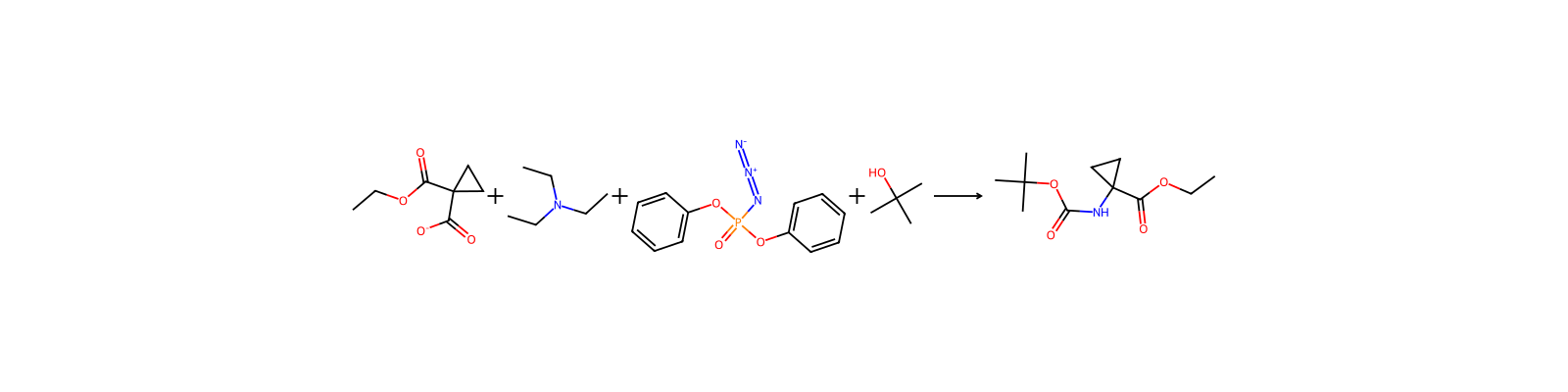
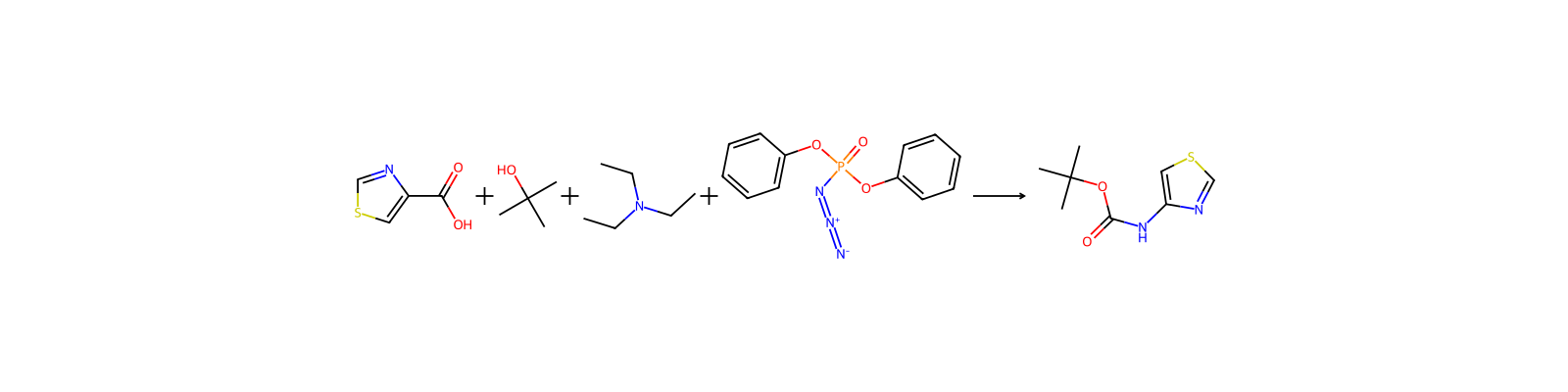
用途ペプチド合成、クルチウス転位、アルコールから有機アジ化物への変換など幅広く応用される。
使用Diphenylphosphoryl azide (DPPA or diphenyl phosphorazidate, (PhO)2P(O)N3) is a very toxic and potentially explosive organic compound. DPPA has been found to be effective for a variety of organic reactions as a versatile synthetic reagent. It is widely used in synthesis of other organic compounds especially as a reagent for the synthesis of peptides by virtue of its reactions with carboxylic acids leading to either the urethane or the amide.
調製方法
製造方法Diphenylphosphoryl azide (DPPA) is easily prepared in high yield by the reaction of the corresponding chloride with sodium azide in acetone. Combination of sodium azide and 18-crown-6 in the same reaction was reported, and the use of a quaternary ammonium salt as a phase-transfer catalyst in a biphasic phase of water and an organic solvent was also reported to be effective, as shown in Scheme 3.Diphenyl Phosphorazidate (DPPA) - More Than Three Decades LaterTakayuki ShioiriGraduate School of Environmental and Human Sciences, Meijo University
上流・下流製品情報
上流原料
下流製品
関連反応
271 件


化合物ノート
読み込み中…