ホームMCPワークベンチSkills
ホームワークベンチ通知マイページ
llms.txt · MCPガイドプライバシーポリシー · 利用規約 · サポートv1.8.0
  1. ホーム
  2. /化合物

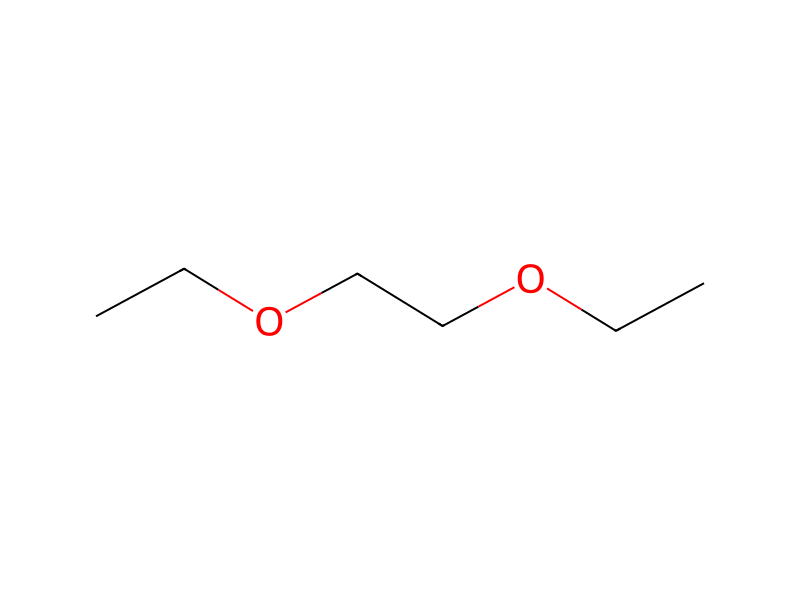
1,2-ジエトキシエタン

Ethylene glycol diethyl ether
HCID 12375
ノートを作成反応を作成見積依頼を出す
印刷プレビュー
基本情報概要名称と識別子物性安全と法規制化学と産業関連反応化合物ノート
部分構造検索類似構造を探す

基本情報

CAS
629-14-1
標準SMILES
CCOCCOCC
InChIKey
LZDKZFUFMNSQCJ-UHFFFAOYSA-N
分子式
C6H14O2
平均分子量
118.17 g/mol
単同位体質量
118.09937969

概要

Ethylene glycol diethyl ether appears as a clear colorless liquid with a faint ether-like odor. Flash point 95 °F. Less dense than water and insoluble in water. Vapors heavier than air.

名称と識別子

優先名称
Ethylene glycol diethyl ether
IUPAC
1,2-diethoxyethane
現地名
1,2-ジエトキシエタン
英語名
Ethylene glycol diethyl ether
分子式
C6H14O2
分子量
118.17

名称と別名

1,2-Diethoxyethane629-14-1ETHYLENE GLYCOL DIETHYL ETHERDiethyl cellosolveEthane, 1,2-diethoxy-3,6-Dioxaoctane2-Ethoxyethyl ethyl etherHisolve EMEGlyme-1EGDEEEthyl glymeDiethylether ethylenglykolu
名称をさらに表示
1,2-ジエトキシエタンジエチルグリコール2-エトキシエチルエチルエーテルエチレングリコールジエチルエーテルグリコールジエチルエーテル3,6-ジオキサオクタンエチルグリムジエチルセロソルブ1,2-ジエトキシエタン (別名:エチレングリコールジエチルエーテル)diethoxyethane1,2-diethoxy-ethanGlycol diethyl etherethylglyme
1,2-Ethanediol, diethyl etherDTXSID5025285F99O7F0CYHDTXCID305285RefChem:139137211-076-1Diethyl GlycolMFCD00009253

データベース識別子

CAS
629-14-1
PubChem CID
12375
DTXSID
DTXSID5025285
ChEMBL
CHEMBL1877517
UNII
F99O7F0CYH
EC Number
211-076-1
Nikkaji
J6.887J

物性

構造計算による物性

XLogP
0.7
極性表面積
18.5 Ų
水素結合供与体数
0
水素結合受容体数
2
回転可能結合数
5
重原子数
8
形式電荷
0
複雑度
31.5

実験および物理化学的性質

Chemical ClassesFlammable agents - 3rd degree
SolventsSolvents -> Glycol Ethers (Glymes)
SpringerMaterials PropertiesBoiling point
LogP · 3 件

log Kow = 0.66

0.66

0.66

Odor · 2 件

Sweetish odor

Slight odor

TasteBitter
Density · 4 件

0.8484 at 68 °F (USCG, 1999) - Less dense than water; will float

0.8484 g/cu cm at 20 °C

Bulk density: 7 lb/gal at 20 °C

Relative density (water = 1): 0.85

Color/FormColorless liquid
Solubility · 5 件

greater than or equal to 100 mg/mL at 66 °F (NTP, 1992)

SOLUBILITY IN WATER 2%; SOL IN OILS

Very soluble in acetone, benzene, ethyl ether, ethanol

In water, 8.37X10+4 mg/L at 25 °C

Solubility in water: moderate

Flash Point · 3 件

95 °F (NTP, 1992)

安全と法規制

安全情報は参考情報です。供給元の安全データシート(SDS)、適用法令、専門家による評価に代わるものではありません。

GHS分類

GHS Classification · 6 件

Danger

H225: Highly Flammable liquid and vapor [Danger Flammable liquids]

P203, P210, P233, P240, P241, P242, P243, P264+P265, P280, P303+P361+P353, P305+P351+P338, P318, P337+P317, P370+P378, P403+P235, P405, and P501 (click each P-code to see the statement)

Danger

H225 (97.7%): Highly Flammable liquid and vapor [Danger Flammable liquids]

P203, P210, P233, P240, P241, P242, P243, P264+P265, P280, P303+P361+P353, P305+P351+P338, P318, P337+P317, P370+P378, P403+P235, P405, and P501 (click each P-code to see the statement)

危険有害性情報

Regulatory Information · 6 件

Chemical: Ethane, 1,2-diethoxy-

Hazard Traits - Reproductive Toxicity

S - indicates a substance that is identified in a final Significant New Use Rule.

Substance: 1,2-diethoxyethane

Ethane, 1,2-diethoxy-: HSNO Approval: HSR001153 Approved with controls

The New Jersey Worker and Community Right to Know Act requires public and private employers to provide information about hazardous substances at their workplaces. (N.J.S.A. 34:5A-1 et. seq.)

Other Safety InformationIMAP assessments - Ethane, 1,2-diethoxy-: Environment tier I assessment
DOT LabelFlammable Liquid
Fire Hazards · 3 件

Excerpt from ERG Guide 127 [Flammable Liquids (Water-Miscible)]:

· HIGHLY FLAMMABLE: Will be easily ignited by heat, sparks or flames.

Flammable. Above 35 °C explosive vapour/air mixtures may be formed.

Fire Potential · 2 件

Flammable, moderate fire risk.

A VERY DANGEROUS HAZARD WHEN EXPOSED TO HEAT OR FLAME; CAN REACT WITH OXIDIZING MATERIALS.

Health Hazards

化学と産業

用途と製造

Uses · 6 件

Used as solvent for ester gum, shellac, non-grain raising stains, resins, oils, and detergents; Also used as a reaction medium for organic synthesis; [HSDB]

Painting (Solvents) [Category: Paint]

INERT REACTION MEDIUM

SOLVENT FOR ESTER GUM, SHELLAC AND SOME RESINS AND OILS

Organic synthesis (reaction medium), solvent and diluent for detergents

Dye solvents in non-grain raising stains

U.S. Exports(1983) 5.90X10+11 g /Ethylene glycol ethers/
U.S. Production · 4 件

(1972) PROBABLY LESS THAN 4.54X10+5 GRAMS

(1975) PROBABLY LESS THAN 4.54X10+5 GRAMS

(2006) 1,612 million lb annual capacity /Glycol ethers/

Production volumes for non-confidential chemicals reported under the Inventory Update Rule. [Table#202]

Methods of Manufacturing · 4 件

REACTION OF AN ALKALI METAL ALCOHOLATE OF ETHYLENE GLYCOL MONOETHYL ETHER WITH AN ETHYL HALIDE

1. AS BY-PRODUCT IN REACTION OF ETHYLENE OXIDE WITH A MONOHYDRIC ALCOHOL. 2. BY REACTING DIALKYL SULFATE WITH ETHYLENE GLYCOL MONOETHYL ETHER.

/Glycol ethers/ are produced by reacting ethylene oxide with alcohols in the presence of either an acid or base catalyst. Temperature, pressure, mole ratios of reactants and catalysts are chosen to yield the desired product. High ratios of alcohol to ethylene oxide are used when ethers of ethylene glycol are desired

Ethylene glycol monoethers are usually produced by reaction of ethylene oxide with the appropriate alcohol. A mixture of homologues is obtained ... The glycol monoethers can be converted to diethers by alkylation with common alkylating agents, such as dimethyl sulfate or alkyl halides ( Williamson synthesis). Glycol dimethyl ethers are formed by treatment of dimethyl ether with ethylene oxide. /Glycol ethers/

Formulations/Preparations · 3 件

Aprotic solvent packed under Nitrogen typically 98.5% pure, with 5 ppm peroxide and 300 ppm water /Ferro Corp, Grant Chemical Div/

Ansul E-22 /Specialty Chem Products Corp/

Grade: Technical.

関連反応

39 件
反応記録を作成
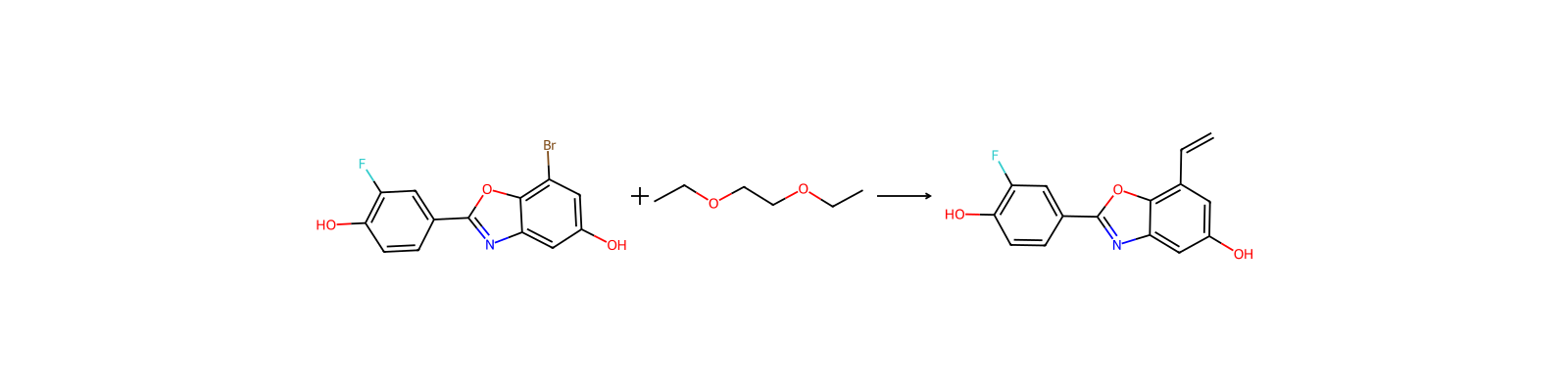
HRID 1413 の反応式
HRID 1413反応物としてuspto-grants-1998_03
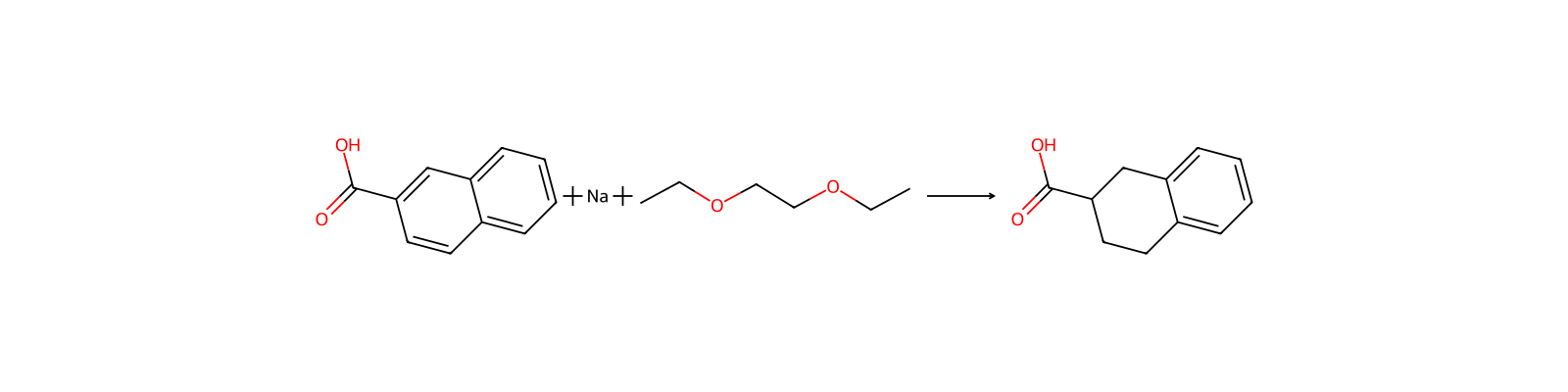
HRID 9191 の反応式
HRID 9191溶媒としてuspto-grants-2006_08
HRID 141167 の反応式
HRID 141167反応物としてTraining data from https://doi.org/10.1039/C8SC04228D (9/10)
HRID 148398 の反応式
HRID 148398反応物としてTraining data from https://doi.org/10.1039/C8SC04228D (9/10)
HRID 170823 の反応式
HRID 170823反応物としてTraining data from https://doi.org/10.1039/C8SC04228D (9/10)
HRID 258339 の反応式
HRID 258339溶媒としてuspto-grants-1993_11
HRID 310370 の反応式
HRID 310370反応物としてTraining data from https://doi.org/10.1039/C8SC04228D (8/10)
HRID 413610 の反応式
HRID 413610反応物としてuspto-grants-2003_05
1 / 5 ページ

化合物ノート

読み込み中…

このページの内容基本情報概要名称と識別子物性安全と法規制化学と産業関連反応化合物ノート
その他の操作
ノートを作成反応を作成見積依頼を出す

95 °F (35 °C) (OPEN CUP)

35 °C o.c.

Boiling Point · 3 件

250.5 °F at 760 mmHg (NTP, 1992)

121.4 °C

121.4 °C

Melting Point · 3 件

-101 °F (NTP, 1992)

-74 °C

-74 °C

物理化学的性質

融点
-74 °C · -74 °C
沸点
121 °C · 121 °C(lit.)
比重(密度)
0.842 g/mL · 0.842 g/mL at 25 °C(lit.)
蒸気圧
9.4 mm · 9.4 mm Hg ( 20 °C)
屈折率
20 · n20/D 1.3923(lit.)
闪点
69 °F · 69 °F
貯蔵温度
30 °C · Store below +30°C.
溶解性
34 g/リットル · 34g/リットル
外見
液体
色
無色透明
水溶解度
わずかに溶ける
比熱容量
2.2 J/ · Cp(liquid): 2.2 J/(g·K), at 25℃
BRN
1732917 · 1732917
Henry's Law Constant
1.6 · 1.6×10-1 mol/(m3Pa) at 25℃, Duchowicz et al. (2020)
InChI
1S/C6H14O2/c1-3-7-5-6-8-4-2/h3-6H2,1-2H3
InChIKey
LZDKZFUFMNSQCJ-UHFFFAOYSA-N
SMILES
CCOCCOCC
CAS データベース
629 · 629-14-1(CAS DataBase Reference)
NISTの化学物質情報
1 · Ethane, 1,2-diethoxy-(629-14-1)
EPAの化学物質情報
Ethylene glycol diethyl ether (629-14-1)

化学的性質

化学的特性Ethylene glycol diethyl ether is a colorless liquid.

· 2 件

Inhalation causes irritation of nose and throat. Contact with liquid irritates eyes but has little or no effect on skin. Ingestion causes irritation of mouth and stomach. (USCG, 1999)

· Inhalation or contact with material may irritate or burn skin and eyes.

Hazards Summary · 1 件

An eye irritant; A mild skin and respiratory tract irritant; Can be absorbed through skin; Animal tests show that this substance possibly causes toxicity to human reproduction or development. [ICSC] An eye and mucous membrane irritant; [HSDB] In lethal-dose feeding studies, causes general anesthesia and kidney changes; [RTECS] An eye nose and throat irritant; [CAMEO] An irritant; May cause serious eye injury; [MSDSonline] See Monoglyme.

DOT ID and Guide1153 127
Reactive GroupEthers
UN ClassificationUN Hazard Class: 3; UN Pack Group: III
Reactivity AlertsHighly Flammable
Reactivity ProfileETHYLENE GLYCOL DIETHYL ETHER can react with oxidizers. It is incompatible with strong acids. (NTP, 1992)

安全と保護具

Fire Fighting · 2 件

Excerpt from ERG Guide 127 [Flammable Liquids (Water-Miscible)]:

Use water spray, foam, powder, carbon dioxide. In case of fire: keep drums, etc., cool by spraying with water.

First Aid Measures · 4 件

Fresh air, rest.

Remove contaminated clothes. Rinse skin with plenty of water or shower.

First rinse with plenty of water for several minutes (remove contact lenses if easily possible), then refer for medical attention.

Rinse mouth. Give one or two glasses of water to drink.

Accidental Release Measures · 2 件

· CALL 911. Then call emergency response telephone number on shipping paper. If shipping paper not available or no answer, refer to appropriate telephone number listed on the inside back cover.

· ELIMINATE all ignition sources (no smoking, flares, sparks or flames) from immediate area.

First Aid · 2 件

EYES: First check the victim for contact lenses and remove if present. Flush victim's eyes with water or normal saline solution for 20 to 30 minutes while simultaneously calling a hospital or poison control center. Do not put any ointments, oils, or medication in the victim's eyes without specific instructions from a physician. IMMEDIATELY transport the victim after flushing eyes to a hospital even if no symptoms (such as redness or irritation) develop.

General First Aid:

Safe StorageFireproof. Separated from strong oxidants.
Exposure Control and Personal Protection· Wear positive pressure self-contained breathing apparatus (SCBA).
Fire Fighting Procedures · 1 件

If material on fire or involved in fire: Do not extinguish fire unless flow can be stopped or safely confined. Use water in flooding quantities as fog. Solid streams of water may be ineffective. Cool all affected containers with flooding quantities of water. Apply water from as far a distance as possible. Use foam, dry chemical, or carbon dioxide.

Storage Conditions · 1 件

Prior to working with this chemical you should be trained on its proper handling and storage. Ethylene glycol diethyl ether must be stored to avoid contact with strong oxidizers (such as chlorine, bromine and fluorine) and strong acids (such as hydrochloric, sulfuric and nitric) since violent reactions occur. Sources of ignition, such as smoking and open flames, are prohibited where ethylene glycol diethyl ether is handled, used, or stored. Metal containers involving the transfer of 5 gallons or more of ethylene glycol diethyl ether should be grounded and bonded. Drums must be equipped with self-closing valves, pressure vacuum bungs, and flame arresters. Use only non-sparking tools and equipment, especially when opening and closing containers of ethylene glycol diethyl ether. Wherever ethylene glycol diethyl ether is used, handled, manufactured, or stored, use explosion-proof electrical equipment and fittings.

Cleanup Methods · 1 件

Evacuate persons not wearing protective equipment from area of spill or leak until clean-up is complete. Remove all ignition sources. Collect powdered material in the most convenient and safe manner and deposit in sealed containers. Ventilate area after clean-up is complete. Keep ethylene glycol diethyl ether out of a confined space, such as a sewer, because of the possibility of an explosion, unless the sewer is designed to prevent the build-up of explosive concentrations. It may be necessary to contain and dispose of this chemical as a hazardous waste. If material or contaminated runoff enters waterways, notify downstream users of potentially contaminated waters. Contact your Department of Environmental Protection or your regional office of the federal EPA for specific recommendations. If employees are required to clean-up spills, they must be properly trained and equipped. OSHA 1910.120(q) may be applicable.

Nonfire Spill ResponseExcerpt from ERG Guide 127 [Flammable Liquids (Water-Miscible)]:
Disposal Methods · 1 件

SRP: The most favorable course of action is to use an alternative chemical product with less inherent propensity for occupational exposure or environmental contamination. Recycle any unused portion of the material for its approved use or return it to the manufacturer or supplier. Ultimate disposal of the chemical must consider: the material's impact on air quality; potential migration in soil or water; effects on animal, aquatic, and plant life; and conformance with environmental and public health regulations.

Spillage Disposal · 1 件

Personal protection: filter respirator for organic gases and vapours adapted to the airborne concentration of the substance. Remove all ignition sources. Ventilation. Collect leaking and spilled liquid in sealable containers as far as possible.

毒性情報

Environmental Fate · 3 件

TERRESTRIAL FATE: Based on a classification scheme(1), an estimated Koc value of 54(SRC), determined from a log Kow of 0.66(2) and a regression-derived equation(3), indicates that ethylene glycol diethyl ether is expected to have high mobility in soil(SRC). Volatilization of ethylene glycol diethyl ether from moist soil surfaces is expected to be an important fate process(SRC) given an estimated Henry's Law constant of 6.3X10⁻⁵ atm-cu m/mole(SRC), derived from its vapor pressure, 3.37 mm Hg(4), and water solubility, 83,700 mg/L(5). Ethylene glycol diethyl ether is expected to volatilize from dry soil surfaces(SRC) based upon its vapor pressure(4). Biodegradation of ethylene glycol diethyl ether may occur in soil based on a 10 day BOD of 0.10 g/g conducted with sewage seed(6).

AQUATIC FATE: Based on a classification scheme(1), an estimated Koc value of 54(SRC), determined from a log Kow of 0.66(2) and a regression-derived equation(3), indicates that ethylene glycol diethyl ether is not expected to adsorb to suspended solids and sediment(SRC). Volatilization from water surfaces is expected(3) based upon an estimated Henry's Law constant of 6.2X10⁻⁵ atm-cu m/mole(SRC), derived from its vapor pressure, 3.37 mm Hg(4), and water solubility, 83,700 mg/L(5). Using this Henry's Law constant and an estimation method(3), volatilization half-lives for a model river and model lake are 18 hours and 8.9 days, respectively(SRC). According to a classification scheme(6), an estimated BCF of 3(SRC), from its log Kow(2) and a regression-derived equation(7), suggests the potential for bioconcentration in aquatic organisms is low(SRC). Biodegradation of ethylene glycol diethyl ether may occur in water based on a theoretical BOD of 70% after 8 days following a 35-day acclimation period using river water microorganisms(8).

ATMOSPHERIC FATE: According to a model of gas/particle partitioning of semivolatile organic compounds in the atmosphere(1), ethylene glycol diethyl ether, which has a vapor pressure of 3.37 mm Hg at 25 °C(2), is expected to exist solely as a vapor in the ambient atmosphere. Vapor-phase ethylene glycol diethyl ether is degraded in the atmosphere by reaction with photochemically-produced hydroxyl radicals(SRC); the half-life for this reaction in air is estimated to be 6.6 hours(SRC), calculated from its rate constant of 5.79X10⁻¹¹ cu cm/molecule-sec at 25 °C(3).

Adverse EffectsNeurotoxin - Acute solvent syndrome
Exposure RoutesThe substance can be absorbed into the body by ingestion, by inhalation and through the skin.
Signs and Symptoms · 4 件

Cough.

MAY BE ABSORBED! Redness.

Redness. Pain.

Nausea.

Effluent ConcentrationsEthylene glycol diethyl ether has been detected in western Cleveland, Ohio wastewater influents at 140 ug/L(1). Ethylene glycol diethyl ether was identified in Chicago Central water works water (treated and untreated) at 2 ug/L(2).
Medical SurveillanceIf symptoms develop or overexposure is suspected, the following may be useful: Complete blood count (CBC). Kidney function tests.
Soil Adsorption/Mobility · 1 件

The Koc of ethylene glycol diethyl ether is estimated as 54(SRC), using a log Kow of 0.66(1) and a regression-derived equation(2). According to a classification scheme(3), this estimated Koc value suggests that ethylene glycol diethyl ether is expected to have high mobility in soil.

TSCA Test Submissions · 3 件

An oral teratogenicity was conducted with 50 pregnant Charles River (CD-1) mice administered ethylene glycol diethyl ether (1,2-diethoxyethane) by oral gavage at a dose level of 2955 mg/kg body weight on gestation days 7 to 14. The dose level chosen was the LD10 calculated from a previous range finding study. Mortality was observed in 5 mice (10%). Fetal toxicity was evident by statistical differences in number of viable litters (Fishers Exact Method). The number of live pups per litter, number of dead pups per litter, pup survival, pup birth weight, and pup weight over days 1 to 3 postpartum were not tested significantly due to small sample size. Gross necropsy observations were not reported.

A perinatal/postnatal teratology study was conducted with 50 pregnant Specific Pathogen Free CD-1 albino mice administered ethylene glycol diethyl ether (1,2-diethoxyethane) by oral gavage at a dose level of 2955 mg/kg/day (selected in a previous study in which the maximum tolerated dose was determined to be 2365 mg/kg/day) on gestation days (GD) 7-14. Mortality was observed in 4 rats, 2 of which were attributed to dosing. Clinical signs observed in dams included prostration, lethargy, circling behavior, rapid or labored breathing, loss of righting reflex, and cold to the touch. The mean maternal body weights (GD 18 and terminal) and the mean weight changes were significantly lower than control values. A slight delay in time to delivery was observed. The number of viable litters (4), number of dead litters (8) and delivery index (11%) were much lower than control values. Examination of mice that had not produced litters (33) showed corpora lutea in 1 animal and reabsorption sites in 23 animals. A difference from controls was observed in mean live and mean pup counts at days 1-3, offspring viablity, pup weight gains, and mean number of dead pups. Statistical analyses could not be conducted due to the small number of dams producing litters. Gross necropsy observations were not reported.

Reproductive toxicity was evaluated in groups of 10 pregnant Charles River CD female mice receiving an oral gavage dose of ethylene glycol diethyl ether at 10 ml/kg body weight on gestation days 7 through 14. Maternal mortality, clinical observations and gross necropsy were not reported. There was a significant reduction (p<0.05) in the number of live pups per litter.

Human Toxicity Excerpts · 3 件

/SIGNS AND SYMPTOMS/ Symptomatology: B. Ethylene glycol and its mono- and diethers... 1. Central nervous depression... 3. Nausea, vomiting, and sometimes diarrhea. 4. ...Headache. Later abdominal and lumbar pain and costovertebral angle tenderness. 5. Transient polyuria and then oliguria, progressing to anuria. 6. Acute renal failure... 7. Less critical pathological lesions may appear in brain, lungs, liver, meninges and heart. /Ethylene glycol alkyl ethers/

/ALTERNATIVE and IN VITRO TESTS/ ...Skin permeation was calculated using the Franz cell method with human skin. A physiological solution was used as the receiving phase. ...A permeation profile was obtained and steady state, lag time and permeation constant flux was calculated for each of the following solvents: ethylene glycol monoethyl ether (EGMEE), propylene glycol mono-methyl ether (PGMME); propylene glycol mono-methyl ether acetate (PGMMEac); 2-propylene glycol 1-butyl ether (2PG1BE), ethylene glycol dimethyl ether (EGDME), ethylene glycol diethyl ether (EGDEE) and diethylene glycol dimethyl ether (DEGDME). All solvents were tested in their pure form and with 70% acetone. For all solvents tested the lag time was <2 hr, and for the majority of them was about 60 min. Flux at steady state ranged between 0.017 +/- 0.005 and 3.435 +/- 1.897 mg/sq cm/hr and permeation rate was from 0.0192 to 1.02 x 10⁻³ cm/hr. The presence of acetone in the solution caused a reduction in lag time and an increase in permeation rate, higher for EGMEE, lower for EGDEE, indicating the enhancing effect of this mixture of solvents. ...

/EPIDEMIOLOGY STUDIES/ Ethylene glycol ethers (EGEs) including diglyme are used in the manufacture of semiconductors. Epidemiological studies of semiconductor populations evaluated potential adverse reproductive outcomes. ... In each of these studies, workers were exposed to mixtures including diglyme but not to diglyme alone. ... Exposure to EGEs was determined using questionnaires from subjects about the work performed and an assessment of the work environment by industrial hygienists, but no measurements of personal or area exposures were made. Workers in the fabrication area were considered exposed to EGEs. For the retrospective study, information on pregnancy outcomes and potential confounders (age, smoking, ethnicity, education, income, year of pregnancy, and stress) was obtained through a comprehensive interviewer-administered interview of female employees. The prospective study of early fetal loss and fecundity (probability of conception per menstrual cycle) was conducted in a subset of female employees from five plants. Daily diaries and measurements of daily urinary human chorionic gonadotrophin (hCG) levels for 6 months were collected in addition to the comprehensive interview. Of the 891 medically verified pregnancies identified for the retrospective study, 774 (86.9%) were live births, 113 (12.7%) were spontaneous abortions, and 4 (0.4%) were stillbirths. The overall unadjusted relative risk (RR) for spontaneous abortions was 1.45 (95% confidence interval [CI] = 1.02-2.05) and changed little after adjusting for confounders (adjusted RR =1.43; 95% CI = 0.95-2.09). When stratified by work group, the risk of spontaneous abortion was statistically significantly increased for female workers in the photolithography group (RR = 1.67; 95% CI = 1.04-2.55) and in the etching group (RR = 2.08; 95% CI = 1.27-3.19). For women working with higher levels of EGE only in masking, the risk for spontaneous abortion was increased 3-fold (RR = 3.38; 95% CI = 1.61-5.73). In the prospective study, no statistically significant differences were detected in the overall rate of spontaneous abortions between fabrication and non-fabrication workers or when pregnancy outcomes were examined by work group. However, the ability to conceive was lower among female workers exposed to EGEs (fertility rate [FR] = 0.37; 95% CI = 0.11-1.19). /Ethylene glycol ethers/

Artificial Pollution Sources · 1 件

Ethylene glycol diethyl ether's production and use as a solvent for ester gum, shellac, some resins and oils(1), in organic synthesis, as a solvent and diluent for detergents(2) may result in its release to the environment through various waste streams(SRC).

Environmental Biodegradation · 1 件

AEROBIC: In a screening study using a sewage seed, ethylene glycol diethyl ether (concentration not specified) had a 10 day BOD of 0.10 g/g at 20 °C(2). Successful acclimation of microorganisms from the Kanawana River to ethylene glycol diethyl ether was obtained in approximately 35 days with a theoretical BOD of 70% after 8 days(3).

Environmental Bioconcentration · 1 件

An estimated BCF of 3 was calculated in fish for ethylene glycol diethyl ether(SRC), using a log Kow of 0.66(1) and a regression-derived equation(2). According to a classification scheme(3), this BCF suggests the potential for bioconcentration in aquatic organisms is low(SRC).

安全データ

wgk
2
tsca
TSCA listed
rtecs
KI1225000
ridadr
UN 1153
毒性
LD50 orally in Rabbit: 2350 mg/kg
hs_code
29091900
risk_code
10-37/38-41-62-36-19-11-61-60
化審法
(7)-1321
消防法
危-4-2-III
hazard_code
Xi,T,F
safety_code
16-26-36-45-53
hazard_class
3
packing_group
II/III
自然発火温度
208 °C
Hazard Classifications
Eye Irrit. 2Flam. Liq. 2Repr. 1A
ストレージクラス
3 - Flammable liquids
有毒物質データの
629-14-1(Hazardous Substances Data)
General Manufacturing Information · 2 件

Ethane, 1,2-diethoxy-: ACTIVE

Ethylene glycol derivatives, mainly the ethers and esters, are frequently employed as reaction media, as absorption fluids, and as solvents for dyes, lacquers, and various cellulose products (cellulose esters, ethers, and nitrocellulose).

応用分野 · 4 件

用途ニトロセルローズ?ゴム?樹脂などの溶媒、有機合成反応溶媒

用途汎用溶剤。

使用Ethylene glycol diethyl ether is a important solvent, used for ink, paint and coating industry. Mainly used in polymer, electrochemistry, boracium chemistry, resin, nitro cellulose, In this product , the benzene, xenene, terphenyl, anthracene reacts with sodium and then bring about the complex; it is also used in surface treatment, halogen analysis in gasoline, acetic acid recycle in diluted acetic acid, depaint agent, thinner, flushing agent, stabilizer, anti oxidant , thickener of lube.

一般的な説明A clear colorless liquid with a faint ether-like odor. Flash point 95°F. Less dense than water and insoluble in water. Vapors heavier than air.

調製方法 · 1 件

純化方法After refluxing for 12hours, a mixture of the ether (2L), conc HCl (27mL) and water (200mL), is added with slow passage of nitrogen. The solution is cooled, and KOH pellets are added slowly and with shaking until no more dissolves. The organic layer is decanted, treated with some KOH pellets and again decanted. It is then refluxed with, and distilled from sodium immediately before use. Alternatively, after removal of peroxides by treatment with activated alumina, the ether is refluxed in the presence of the blue ketyl formed by sodium-potassium alloy with benzophenone, then distilled. [Beilstein 1 H 468, 1 II 519, 1 III 2078, 1 IV 2379.]

上流・下流製品情報

上流原料

エタノール酸化エチレン